World Social Worker’s Day
Social work is a deeply human profession dedicated to empowering individuals, strengthening communities, and helping solve personal and social challenges. Supporting people in need and improving the lives of those facing hardship is one of the most compassionate and essential careers a person can choose.
Although helping others has always existed throughout human history, the complexities of modern life have made this support more specialized than ever before. Assisting vulnerable individuals requires knowledge, assessment, planning, and professional guidance. Something that goodwill alone cannot always provide.
This is where social work becomes essential. Social workers not only help address immediate problems, but also create pathways toward long-term independence, dignity, and stability.
World Social Worker’s Day is a time to recognize the dedication, patience, and humanity of social workers around the world. It is observed annually on the third Tuesday of March and celebrates those who work tirelessly to improve lives and build stronger societies.
A Global Commitment to Justice and Human Rights
World Social Worker’s Day highlights the profession’s commitment to:
* Social justice
* Human rights
* Community development
* Inclusion and equality
* Best practices in professional care
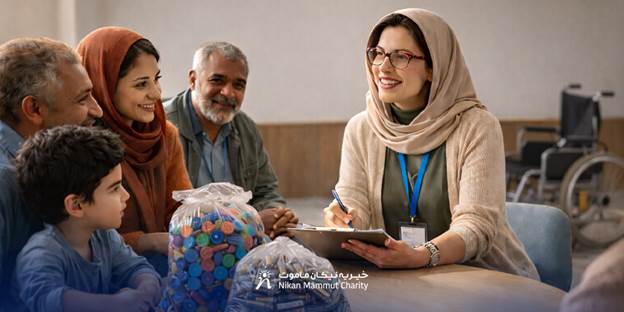
Social workers play a vital role in every society. They assess community needs, advocate for vulnerable individuals, and connect people with the resources they need to improve their lives.
History of World Social Worker’s Day
World Social Worker’s Day was first introduced by the International Federation of Social Workers (IFSW).
Since 1983, this international non-governmental organization has worked with global partners to recognize the achievements of social workers and promote inclusive, sustainable development.
The National Association of Social Workers (NASW), the world’s largest membership organization for professional social workers, has also played a major role in supporting standards, ethics, and professional development.
World Social Worker’s Day reminds us that our futures are interconnected and that a better tomorrow depends on the participation of all people.
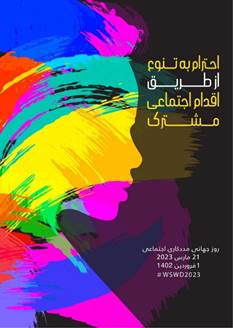
Theme of World Social Workday 2026
Each year, World Social Workday focuses on a specific theme. For 2026, the official theme is:
“Togetherness, Hope and Harmony: The Harambee Spirit for Rebuilding a Shared Society.”
“Harambee” is a Swahili word, widely used in East Africa—especially Kenya—meaning working together for a common purpose. It reflects the power of unity, empathy, and collective action in solving social challenges.
What Is Social Work?
Social work is a profession focused on improving the well-being of society, especially vulnerable populations. What makes it unique is its simultaneous focus on:
* The individual
* Family and relationships
* Social environment
* Economic realities
* Community systems
* Social justice
Social workers consider both personal and external factors affecting a person’s life, helping them move toward peace, independence, and opportunity.
Milestones in the Development of Social Work
* 1898 – First social work class held at Columbia University
* 1917 – Publication of Social Diagnosis by Mary Richmond
* 1931 – Jane Addams receives the Nobel Peace Prize
* 1955 – Establishment of the National Association of Social Workers
* 1983 – Third Tuesday of March designated as World Social Worker’s Day
* 2014 – Global definition of social work adopted by International Federation of Social Workers
* 2020 – COVID-19 pandemic highlights the critical role of social workers
* 2023 – Expansion of Digital Social Work and online support services
How to Celebrate World Social Worker’s Day
1. Appreciate Social Workers
Recognize the social workers in your community. Share their stories and achievements on social media and help others understand the importance of their work.
2. Join Related Events
Attend workshops, conferences, and educational programs to learn more about social work careers, skills, and impact.
3. Share Experiences
If you are a social worker, share your journey and experiences online to inspire others and encourage future generations to join the profession.
Three Important Facts About Social Work
1. Education Is Essential
Professional social workers require formal academic training, supervised field experience, and ongoing development.
2. They Help People Across All Life Stages
Social workers support children, families, adults, seniors, and individuals facing a wide range of personal or social challenges.
3. It Is Emotionally Demanding Work
They regularly work with issues such as domestic violence, addiction, poverty, illness, grief, and child protection. Emotional resilience and self-care are vital.
Why World Social Worker’s Day Matters
It Brings People Together
The day promotes solidarity and social justice for present and future generations.
It Inspires Meaningful Careers
It encourages compassionate individuals to explore long-term careers in service and care.
It Encourages Kindness
It reminds society that collective good actions can create lasting positive change.
Nikan Mammut Charity Foundation and Social Work
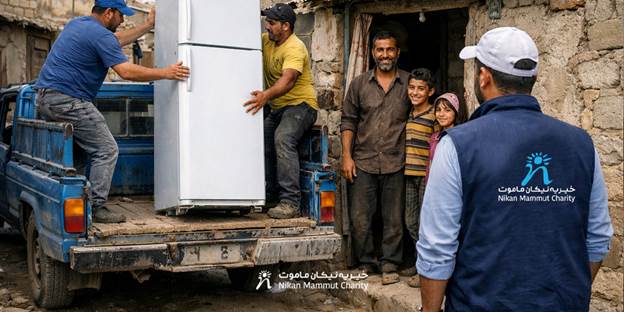
As a family-centered charity, Nikan Mammut Charity Foundation has worked alongside professional social workers since the earliest days of its mission.
Without their expertise, effective support for vulnerable families would not be possible. Our social workers play an essential role in:
* Identifying families in need
* Assessing urgent challenges
* Delivering livelihood support
* Coordinating medical assistance
* Supporting education
* Facilitating employment opportunities
* Assisting with housing needs
Their dedication ensures that support reaches families accurately, fairly, and on time.
The Nikan Mammut Charity Foundation proudly celebrates World Social Worker’s Day and extends heartfelt gratitude to all compassionate social workers whose efforts transform lives every day.
If you would like to volunteer and be part of meaningful charitable work, we invite you to join us.
Comments
What is you comment about this article?