National Entrepreneurship and Technical & Vocational Training Day
How One Woman’s Traditional Weaving Skills Transformed an Entire Village
Many articles about National Entrepreneurship and Technical & Vocational Training Day begin by defining entrepreneurship or explaining the importance of vocational education. Yet few examples illustrate their true impact better than the real-life story of Fatemeh, whose traditional weaving skills changed not only her own future but also the future of an entire village.
Fatemeh inherited the traditional Iranian craft of Farat weaving, a centuries-old textile art used to produce towels, tablecloths, garments, and household fabrics. During one of the most difficult periods of her life, she decided to turn this inherited skill into an opportunity.
With the support of Nikan Mammut Charity, she received the equipment needed to begin working professionally. As demand for her handmade products grew, she expanded her work into a workshop where other women in her village learned the craft and found employment.
Today, her personal journey has become a story of community transformation. It demonstrates how access to vocational skills, entrepreneurship, and the right support can break the cycle of poverty while creating sustainable employment opportunities for others.
Stories like hers are only one example among many supported by Nikan Mammut Charity, whose mission is to help vulnerable families become self-reliant through education, employment, and skill development.
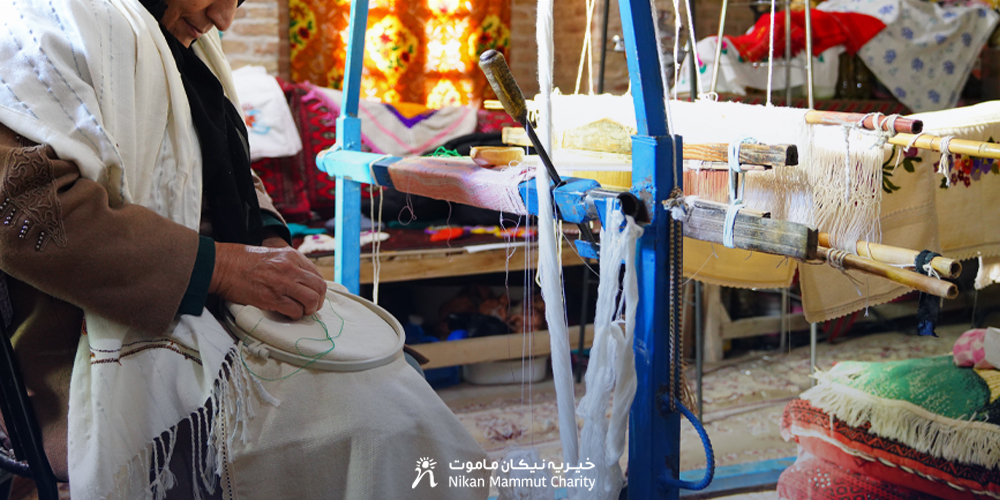
National Entrepreneurship and Technical & Vocational Training Day exists to highlight exactly this idea: practical skills have the power to transform lives.
Before exploring the history of this national observance, it is worth understanding why entrepreneurship and vocational education have become increasingly important in today’s society.
Why Are Vocational Skills So Important?
According to statistics released by the Statistical Center of Iran, unemployment among people aged 18 to 35 remains a significant social challenge.
Unemployment is often the first step toward poverty. Without a stable source of income, families may struggle to meet their basic needs, while long-term financial hardship can lead to broader social problems.
Entrepreneurship offers a practical solution by enabling individuals to create jobs for themselves and, eventually, for others. Beyond economic benefits, meaningful employment also improves confidence, mental well-being, and social stability.
Helping individuals acquire vocational skills or providing them with the resources needed to start a business is therefore one of the most sustainable approaches to poverty reduction.
What Is National Entrepreneurship?
National Entrepreneurship is the process of creating and developing a business that provides products or services while generating economic value.
An entrepreneur identifies opportunities, gathers the necessary financial and human resources, accepts business risks, and takes responsibility for the success or failure of the venture.
Successful entrepreneurs are typically innovative, resilient, and willing to solve problems creatively. While charities do not operate businesses themselves, they can play a vital role in helping aspiring entrepreneurs gain the skills, equipment, and confidence needed to launch sustainable livelihoods.

The History of National Entrepreneurship and Technical & Vocational Training Day
In Iran, National Entrepreneurship and Technical & Vocational Training Day is observed annually on July 28 (6 Mordad).
The day was established to recognize the important role entrepreneurship plays in economic development and employment generation.
Since the early 2000s, entrepreneurship has become an increasingly important component of national development strategies. Many economists describe entrepreneurship as one of the primary engines of economic growth because it transforms human potential into productive economic activity.
Educational institutions, vocational training centers, companies, manufacturers, and public organizations all contribute to this ecosystem by preparing skilled professionals for the workforce.
Why Entrepreneurship and Vocational Training Go Hand in Hand
Entrepreneurship cannot succeed without practical skills.
Vocational education equips individuals with the technical knowledge needed to perform specialized work, while entrepreneurship enables them to transform those skills into sustainable businesses.
Together, they create opportunities for employment, innovation, and long-term financial independence.
Entrepreneurs also create opportunities for others by hiring skilled workers, helping reduce unemployment while strengthening local communities.
How Technical and Vocational Training Supports Entrepreneurship
The primary goal of vocational education is to prepare individuals for employment through practical, job-oriented skills.
In today’s rapidly changing economy, these skills are essential not only for finding employment but also for creating new businesses.
Vocational education helps people:
- develop practical technical skills
- improve employability
- adapt to changing labor market demands
- start self-employed businesses
- strengthen entrepreneurial thinking
For many graduates, entrepreneurship becomes the most realistic path toward financial independence, particularly when traditional employment opportunities are limited.
How Charities Help Build Entrepreneurship
Many talented individuals never have the opportunity to learn a profession or launch a business because they lack financial resources.
This is where charitable organizations can create lasting impact.
Rather than providing only temporary assistance, organizations like Nikan Mammut Charity invest in long-term family empowerment by supporting vocational education, entrepreneurship, and employment.
This sustainable approach enables families to become financially independent instead of relying on continuous aid.
Nikan Mammut Charity: Supporting Families Through Skills and Employment
At Nikan Mammut Charity, empowering families goes beyond providing financial assistance.
The organization helps vulnerable families gain the skills, equipment, and opportunities needed to build sustainable livelihoods.
Support ranges from providing sewing machines and tools for artisans to funding vocational courses such as:
- Hairdressing
- Mobile phone repair
- Accounting
- Tailoring
- Handicrafts
- Small business development
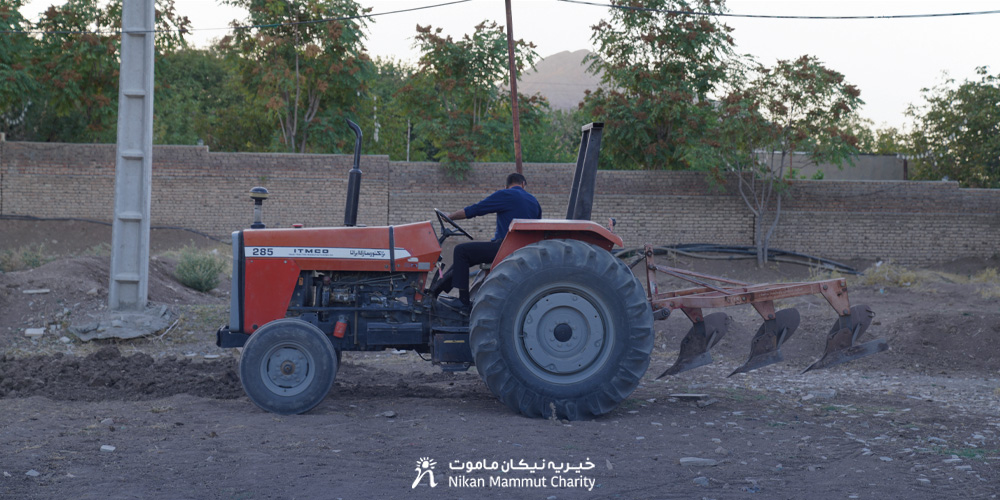
- Vehicle repair and work equipment
Every family receives support based on its unique needs and abilities.
By creating opportunities for learning and employment, Nikan Mammut Charity supports families in building independent, dignified, and sustainable futures.
This long-term approach reflects the organization’s core belief:
Strong families create stronger communities.
Support Family Self-Reliance with Nikan Mammut Charity
Creating employment is one of the most effective ways to fight poverty.
When individuals gain practical skills and the opportunity to earn a stable income, they can support themselves, strengthen their families, and even create jobs for others.
Nikan Mammut Charity supports families by providing vocational education, employment opportunities, and entrepreneurship assistance that help vulnerable households achieve lasting self-reliance.
To learn more about Nikan’s employment and vocational training initiatives, visit the organization’s official Instagram page and discover how your support can help build stronger families and brighter futures.
Comments
What is you comment about this article?