Blood Donation Day: An Opportunity to Do Good
- What Is Blood Donation?
- The Blood Donation Process
- How Much Blood Is Collected During a Donation?
- Why Is Regular Blood Donation Important?
- Potential Benefits of Donating Blood
- Who Needs Donated Blood in Iran?
- Blood Donation and Stem-Cell Donation: An Important Difference
- A Charitable Act on Blood Donation Day
The Iranian Blood Transfusion Organization has designated the ninth day of Mordad in the Iranian calendar usually corresponding to July 31 as Blood Donation Day in Iran.
In 1974, the organization was established to bring greater order and coordination to the country’s blood supply system, promote a culture of voluntary blood donation, and improve the collection and distribution of safe blood and blood products.
Over the past five decades, the Iranian Blood Transfusion Organization has undertaken many responsibilities related to the country’s blood supply. These include collecting donated blood, establishing permanent donation centers and mobile units, testing donated blood, preparing blood components, and distributing them to hospitals and medical centers.
Many people support this vital mission by donating blood. Awareness campaigns organized by nonprofit organizations, charities, public institutions, and healthcare bodies also play an important role in encouraging safe, voluntary, and regular blood donation.
Blood Donation Day is a valuable reminder that a relatively simple act can make a life-changing difference for patients and their families.
What Is Blood Donation?
Blood donation occurs when an eligible and healthy person voluntarily gives a specified amount of blood at an authorized blood transfusion center.
After collection, the donated blood undergoes laboratory screening and safety testing. If approved for clinical use, it may be separated into different components, such as:
- Red blood cells
- Platelets
- Plasma
These components are then delivered to hospitals and healthcare centers for use by patients based on their specific medical needs.
Because a single unit of donated blood can be separated into multiple components, one blood donation may help more than one patient. However, the exact number of people helped depends on how the blood is processed and used.
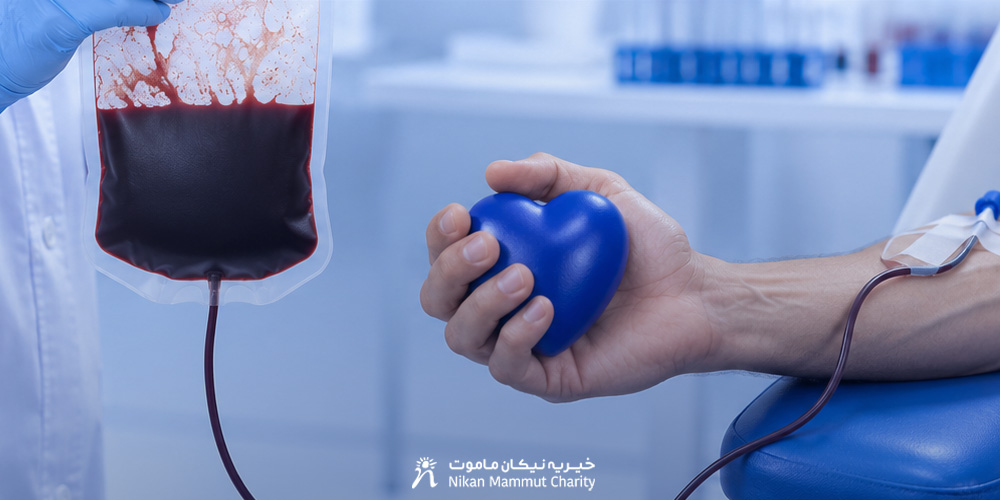
The Blood Donation Process
The exact procedures may differ slightly by donation center. In Iran, the process generally includes registration, medical screening, blood collection, and a short recovery period.
- Registration and Appointment
Those wishing to donate blood can make an appointment through the Iranian Blood Transfusion Organization’s online booking system:
After entering the required personal information, the applicant can select an available donation center and appointment time. Depending on the center and current procedures, walk-in services may also be available.
Donors should bring valid identification and follow any instructions provided by the blood transfusion center.
- Medical Screening
Before donation, trained staff assess whether giving blood is safe for both the donor and the eventual recipient.
The screening process may include:
- A confidential medical interview
- Review of the donor’s medical history
- Questions about medications, recent travel, procedures, and health-related risks
- Measurement of weight, blood pressure, pulse, and body temperature
- Assessment of general health and donor eligibility
Providing complete and accurate answers is essential. Honest responses protect the donor’s health and help maintain the safety of the blood supply.
Some people may be temporarily or permanently unable to donate because of a health condition, medication, recent procedure, travel history, or other eligibility criteria. Final eligibility is determined by the medical professionals at the donation center.
- Hemoglobin Test
A simple test is usually performed before donation to check the donor’s hemoglobin level. This helps determine whether the person has sufficient red blood cells to donate without putting their own health at risk.
If the donor’s hemoglobin is below the acceptable threshold, the donation may be postponed. A deferral does not necessarily indicate a serious condition, but medical follow-up may be recommended when appropriate.
- Confidential Self-Deferral
Donors receive information about conditions and behaviors that could affect blood safety. If someone has any reason to believe that their blood may not be safe for a recipient, they should inform the medical staff or withdraw from the donation process.
This confidential self-deferral procedure adds another layer of protection to the blood supply. It does not, however, replace medical screening or laboratory testing.
- Blood Collection
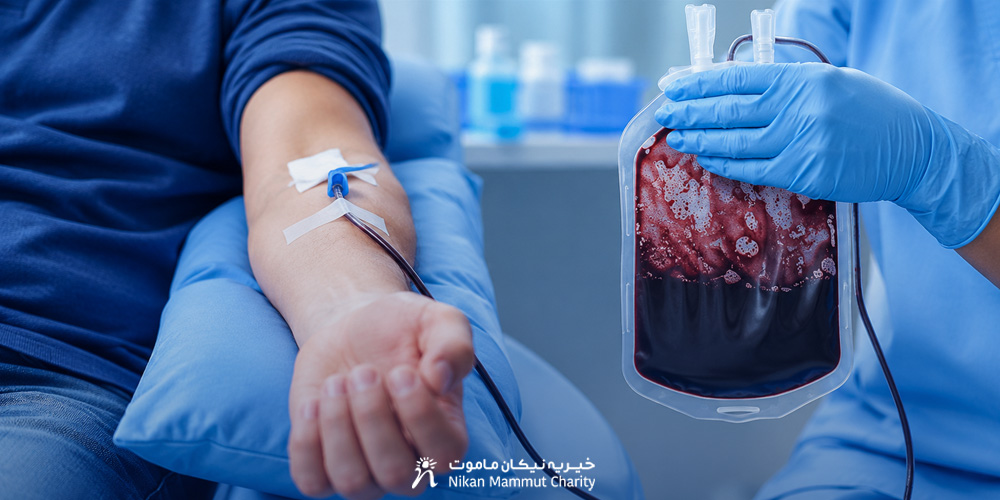
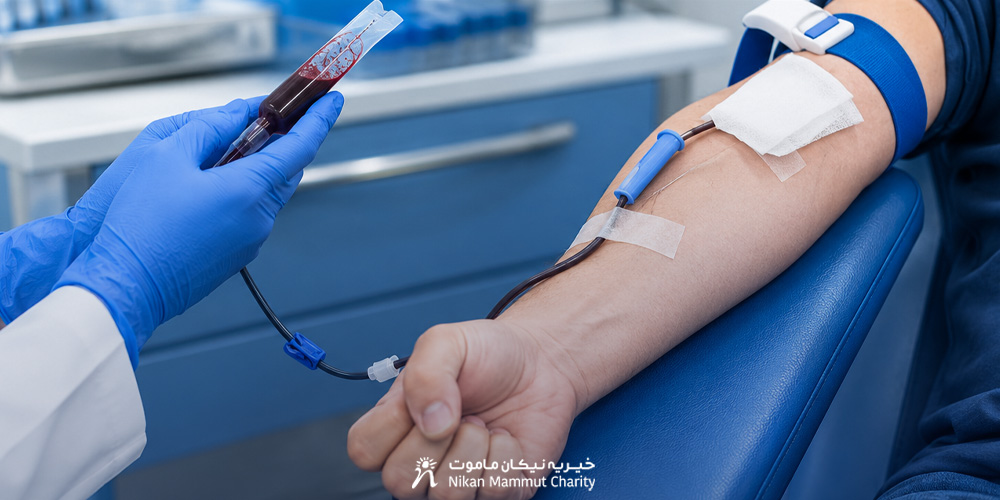
During collection, the skin usually around the inner elbow is carefully disinfected, and a sterile, single-use needle is inserted into a vein.
The actual collection of whole blood commonly takes around 8 to 15 minutes, although the complete visit, including registration, screening, donation, and recovery, may take considerably longer.
All blood collection equipment that comes into contact with the donor is sterile and intended for one-time use.
- Rest and Refreshments
After donating, the donor is asked to rest for a short time under the supervision of trained staff. Water, juice, or a light snack may be provided to support recovery.
Donors are generally advised to drink additional fluids, avoid strenuous exercise and heavy lifting for the rest of the day, and follow the center’s aftercare instructions.
Anyone who experiences persistent dizziness, bleeding, weakness, or another concerning symptom should contact the donation center or seek medical advice.
How Much Blood Is Collected During a Donation?
An average adult has approximately 4.5 to 5.5 liters of blood, depending on factors such as body size and biological characteristics.
During a standard whole-blood donation, approximately 450 milliliters of blood may be collected, although the exact amount and eligibility requirements vary by country, body weight, and donation protocol. This usually represents less than 10% of an eligible adult donor’s total blood volume.
The body begins replacing the donated fluid relatively quickly, often within approximately 24 to 48 hours when the donor remains properly hydrated. Replacing red blood cells takes longer generally several weeks and restoring iron reserves can take several weeks or months, depending on the individual’s diet, health, and iron status.
For this reason, blood donation centers establish minimum intervals between donations. Donors should follow the schedule and eligibility criteria set by the relevant blood transfusion authority rather than donating more frequently on their own.
Why Is Regular Blood Donation Important?
The need for blood does not begin or end on Blood Donation Day. Every day, patients affected by illness, injury, surgery, childbirth complications, cancer, and blood disorders may need blood or one of its components.
Blood products also have limited storage lives. Depending on the processing method and local regulations:
- Red blood cells can generally be stored for several weeks.
- Platelets have a much shorter shelf life, commonly only a few days.
- Plasma can be frozen and stored for longer periods under controlled conditions.
Because blood cannot be manufactured artificially on a scale that replaces human donation, healthcare systems depend on a steady supply from voluntary donors.
Regular and well-planned donations help blood services maintain adequate reserves of different blood groups and reduce the risk of shortages. Consistent donation throughout the year is particularly important because blood supplies may decline during holidays, extreme weather, seasonal illnesses, or emergencies.
Potential Benefits of Donating Blood
The primary purpose of blood donation is to help patients. For eligible donors, the process is generally safe when performed at an authorized center and in accordance with medical guidelines.
Donors may also experience certain physical and emotional benefits. However, blood donation should not be treated as a substitute for medical care, diagnostic testing, weight management, or treatment unless it is specifically recommended by a physician.
- Reduction of Iron Stores
The body needs iron to produce hemoglobin and healthy red blood cells. Donating blood removes a certain amount of iron from the body and may lower iron stores.
This can be medically useful for people with particular iron-overload conditions, but only when managed by healthcare professionals. For most donors, lower iron is not automatically a benefit. Frequent donation can cause iron deficiency or anemia, especially among people who begin with limited iron reserves.
Regular donors should therefore follow donation intervals, maintain an iron-rich diet, and seek medical advice if they experience unusual fatigue, weakness, shortness of breath, or other possible symptoms of iron deficiency.
- A Basic Pre-Donation Health Check
Before donating, individuals usually undergo a brief health assessment that may include blood pressure, pulse, temperature, medical-history questions, and a hemoglobin check.
This process may occasionally identify an unexpected issue, such as low hemoglobin or abnormal blood pressure. However, it is not a comprehensive medical examination and should not be used as a replacement for routine healthcare.
Most importantly, no one should donate blood to determine whether they have a blood-borne infection such as hepatitis B, hepatitis C, or HIV. Anyone concerned about possible exposure should seek confidential diagnostic testing and medical guidance through an appropriate healthcare provider.
- Blood Donation and Cardiovascular Health
Some studies have examined possible associations between regular blood donation, iron levels, blood pressure, and cardiovascular health. However, the evidence does not support promising that blood donation will prevent heart attacks, strokes, or other cardiovascular diseases in otherwise healthy individuals.
Blood donation is also not a general treatment for “thick blood” or high hemoglobin. Anyone with elevated hemoglobin, abnormal blood counts, or concern about blood clots should receive a medical evaluation rather than attempting to treat the condition through unsupervised donation.
For people diagnosed with hereditary hemochromatosis or certain other conditions involving excess iron, medically supervised blood removal known as therapeutic phlebotomy may help prevent iron accumulation and damage to organs such as the liver and heart. Whether blood collected during therapeutic procedures can be used for transfusion depends on local rules and the donor’s eligibility.
- Energy Use During Blood Replacement
After donation, the body uses energy and nutrients to replace lost blood cells. Although this process requires energy, blood donation should not be considered a calorie-burning strategy or a method of losing weight.
Donors may enjoy the refreshments provided after donation, but they should continue following their usual balanced diet and hydration plan. The focus should remain on safe recovery rather than calorie calculations.
- Supporting Emotional Well-Being
Blood donation is a form of helping others. For many donors, knowing that their contribution may support a patient during surgery, treatment, or a medical emergency can create a sense of purpose, connection, and social participation.
Acts of voluntary service may also be associated with positive emotions and reduced feelings of isolation for some people. These experiences vary from person to person, however, and blood donation is not a treatment for anxiety, depression, or other mental health conditions.
- A Sense of Purpose and Social Value
A donated unit of blood may be separated into different components and used according to patients’ needs. In suitable circumstances, this means one donation can potentially benefit multiple people.
Knowing that a brief act may support patients and families during some of the most difficult moments of their lives can strengthen a donor’s sense of purpose and social responsibility. The greatest value of donation lies in this human connection: one person voluntarily giving part of themselves to help another survive or recover.
Who Needs Donated Blood in Iran?
Whether you donate on Blood Donation Day or at another time of year, your blood may help people facing a wide range of medical conditions.
Major recipients of blood and blood products in Iran include:
- People living with thalassemia or hemophilia
- Patients undergoing dialysis when transfusion is medically required
- People undergoing major surgery, including certain heart, kidney, bone marrow, and gynecological procedures
- Patients with diseases or conditions that cause severe bleeding
- Newborns affected by severe jaundice or blood-group incompatibility between mother and child
- Organ and stem-cell transplant recipients
- People with severe burns or traumatic injuries
- Patients living with chronic anemia
- People with different forms of cancer, particularly during chemotherapy or intensive treatment
- Mothers experiencing severe bleeding during pregnancy or childbirth
- Patients requiring emergency transfusion after an accident or disaster
Different patients need different blood components. Some may need red blood cells to improve oxygen delivery, while others require platelets to control bleeding or plasma to support blood clotting.
Blood Donation and Stem-Cell Donation: An Important Difference
Blood donation and hematopoietic stem-cell donation are both lifesaving acts, but they are not the same procedure.
Every year, thousands of people including many children are diagnosed with leukemia, serious blood disorders, and other diseases that may require a hematopoietic stem-cell transplant. For some of these patients, transplantation from a genetically compatible donor may offer an important or potentially curative treatment option.
Finding a compatible stem-cell donor can be difficult because compatibility is based on specific tissue characteristics. A patient’s best match may not necessarily be found among close family members. The participation of more eligible volunteers in authorized stem-cell donor registries can therefore increase the likelihood of patients finding a suitable match.
Giving blood on Blood Donation Day does not automatically register someone as a stem-cell donor. Anyone interested in stem-cell donation should contact an authorized registry or medical center to learn about registration, eligibility, compatibility testing, and the donation process.
A Charitable Act on Blood Donation Day
Blood donation is one of the clearest examples of practical compassion. It does not require donors to know the patients who will receive their blood. It simply asks eligible individuals to give a small amount of their time and help maintain a resource that hospitals need every day.
Charities and nonprofit organizations can support this mission by:
- Raising public awareness about the ongoing need for blood
- Sharing reliable information about donor eligibility and safety
- Encouraging voluntary and regular donation
- Helping dispel fears and misconceptions
- Organizing campaigns in coordination with authorized blood transfusion centers
- Promoting registration in recognized stem-cell donor programs
Nikan Mammut Charity has also worked to encourage this valuable act by raising awareness and creating opportunities for supporters to participate in blood donation programs. These initiatives help strengthen a culture of voluntary giving and support patients whose treatment depends on a reliable blood supply.
To learn about Nikan Mammut Charity’s Blood Donation Day programs and future campaigns, follow our official Instagram page and communication channels.
Blood Donation Day is an important occasion, but patients need blood throughout the year. If you are eligible, donating regularly and responsibly can help hospitals maintain a safe and stable blood supply.
A few minutes of your time may become hope for a patient, relief for a family, and another opportunity for life.
Comments
What is you comment about this article?