World Plastic Bag Free Day: Choose Reusable Bags, Protect the Planet
World Plastic Bag Free Day
Nikan Mammut Charity’s Fabric Bags: Better for the Environment, Meaningful for Family Self-Reliance
Official figures reveal staggering numbers about plastic bag consumption around the world. More than five trillion plastic bags are produced and used globally every year. That means around 160,000 plastic bags enter the cycle of consumption every second.
What makes this even more alarming is how briefly most of them are used. On average, a plastic bag serves its purpose for less than 25 minutes. Yet its real lifespan in nature may stretch from 200 to 1,000 years.
In simple terms, a bag we use for only a few moments to carry groceries can remain on Earth for centuries, becoming part of a permanent and growing waste crisis.
These numbers point to a painful reality: our planet is being suffocated by plastic. If this trend continues, projections suggest that by 2050 the total weight of plastic in the oceans could exceed the total weight of all fish. This disaster is not only about the appearance of polluted coastlines and seas. Every year, more than 100,000 marine animals from sea turtles to whales die after swallowing plastic or becoming trapped in it.
This article looks more closely at the roots of this crisis, its destructive effects on the environment, and the simple but effective steps each of us can take to protect life on Earth and build a cleaner future for the next generation. Before that, it helps to understand the background of this global observance.
Why Is There a World Plastic Bag Free Day?
Every year on July 3, people around the world mark World Plastic Bag Free Day. This environmental observance encourages individuals, communities, and institutions to reduce their use of plastic bags and help limit plastic pollution.
The day began with the Zero Waste Europe movement in 2009 and later grew into a wider global campaign. Its message is simple: plastic bags are a worldwide problem. They can be found everywhere from seashores and forests to remote deserts tangled in branches, drifting through streets, or scattered across natural landscapes.
Although the average plastic bag is used for less than 25 minutes, it is discarded almost immediately and can remain in the environment for hundreds of years.
Experts note that plastic bags continue to be produced largely for economic reasons, because manufacturing them is significantly cheaper than producing many alternatives, including paper bags. Yet the low short-term cost hides enormous long-term environmental damage.
For this reason, many countries have restricted or banned free plastic bags in retail settings to reduce demand. Bangladesh was the first country to introduce charges for plastic bags in 2002. Since then, countries such as China, South Africa, Morocco, Kenya, Rwanda, Sri Lanka, Georgia, and others have adopted similar policies.
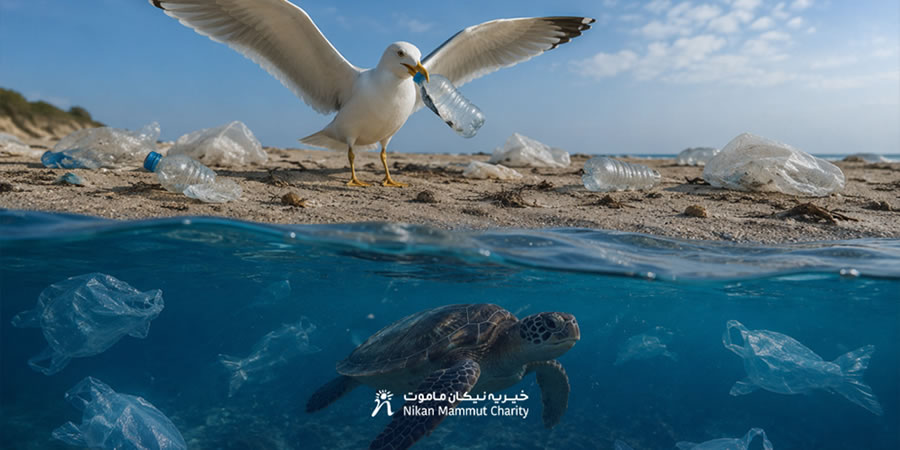
Why We Need to Say No to Plastic Bags
It only takes a moment to consider the damage plastic bags cause to the planet and its living creatures to understand why they must be replaced with more sustainable alternatives.
Environmental projections show that by 2050, plastic waste in the oceans may outweigh fish. At the same time, growing public awareness about plastic pollution offers a small but important source of hope. The more people understand the issue, the more possible change becomes.
Choosing not to use single-use plastic bags is not only an environmental decision. It is also a practical and ethical choice that supports a more responsible way of living.
In this article, we look at several key reasons to reject plastic bags and at one meaningful alternative that helps not only the environment, but also vulnerable families working toward self-reliance.
Five Important Facts About Plastic Bags
- Plastic breaks down extremely slowly; a single-use plastic bag may take more than 700 years to degrade, and close to 1,000 years to disappear completely.
- Plastic directly harms wildlife; in one documented case, a whale was found with more than 22 kilograms of plastic bags in its stomach.
- Around five trillion plastic bags are produced every year worldwide.
- Only a very small share is recycled; some reports estimate that just 1 to 3 percent of plastic bags are actually recycled globally.
- In parts of the North Pacific, plastic particles now outnumber plankton several times over.
Why World Plastic Bag Free Day Matters
As noted earlier, plastic bags have caused profound damage to our oceans. Reducing their use is directly linked to better protection for marine life, including whales, dolphins, and sea turtles.
Just as importantly, practical alternatives already exist. Reusable fabric bags and other long-lasting shopping bags are often easier to use, more durable, and more economical over time than disposable plastic ones.
The world is home to billions of people, and each of us has a role to play in protecting this planet. Reducing plastic bag use, reusing what we already have, and recycling wherever possible are all meaningful steps.
Even small individual choices can become part of a larger environmental shift.
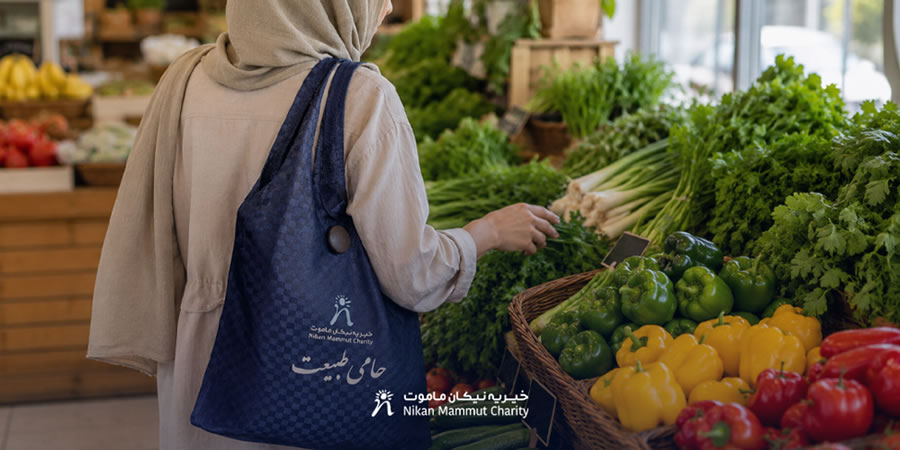
How to Observe World Plastic Bag Free Day
- Stop Using Plastic Bags
The best and simplest way to mark this day is to stop using plastic bags altogether. Whether you are shopping for groceries, picking up food, or visiting a park, choose not to accept a plastic bag.
- Reduce, Reuse, Recycle
Another useful way to honor the day is to reduce waste by reusing and recycling the plastic bags that already exist around you. If you still have some at home, do not throw them away immediately. Use them again where appropriate, such as for household waste or practical storage, while transitioning toward better alternatives.
- Plant Something
World Plastic Bag Free Day can also be an opportunity to give something back to nature more directly. Planting a tree, a flower, or even caring for a small patch of green space is a simple act that reflects the spirit of environmental responsibility.
- Reusable Bags as a Sustainable Business Strategy
Reducing single-use plastic bags is part of a broader global and cultural shift toward more responsible living. Every step in this direction can make a difference.
Businesses, for example, can help raise awareness by distributing reusable bags and encouraging customers to bring them back. Retailers can also offer incentives or discounts to customers who shop with reusable bags.
For brands, reusable bags can serve another purpose as well. When a company produces cloth or canvas bags with its logo or message, it creates a practical promotional item that lasts longer than many traditional advertising tools. Each time a customer uses that bag, the brand remains visible while supporting a more sustainable habit.
Most importantly, these durable bags help reduce dependence on disposable plastic and contribute to addressing the wider problem of waste accumulation.
Nikan’s Role on World Plastic Bag Free Day
Environmental responsibility is not only the concern of businesses. Public institutions, community groups, and charities also have a role to play in protecting the planet.
Many nonprofit organizations try to respond to the plastic bag problem within their capacity. One of the most effective ways to do so is by producing and offering durable reusable bags that encourage more sustainable everyday choices.
At the same time, for charities that must generate income to continue their mission, such products can create a meaningful dual impact: they promote environmentally responsible behavior while also helping fund social support programs.
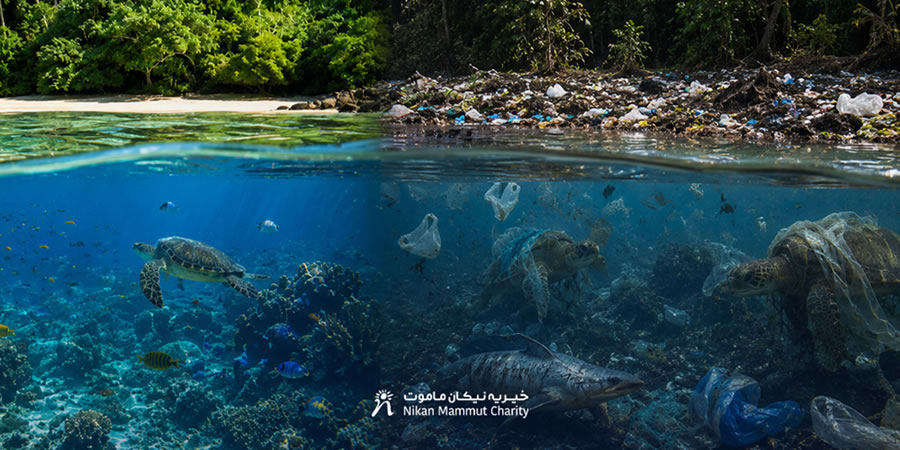
Nikan Mammut Charity’s Fabric Bags: Support the Planet, Support Family Self-Reliance
Nikan Mammut Charity has introduced reusable, foldable fabric shopping bags as part of this dual-impact approach.
By offering these bags, Nikan aims to pursue several goals at once: reducing plastic bag consumption, encouraging environmental responsibility, and generating resources to support families in need.
What makes this initiative especially meaningful is how the proceeds are used. Revenue from the sale of these reusable fabric bags goes toward helping low-income and vulnerable families move toward greater independence and self-reliance.
In simple terms, when you order one of Nikan’s foldable cloth bags, you are doing more than making an environmentally conscious choice. You are also helping create opportunities for individuals and families who need support to build a more stable future.
This is where environmental action and human dignity come together.
A reusable bag may seem like a small purchase, but in the right context, it can carry a much larger meaning: less plastic waste, more responsible consumption, and stronger support for families working toward self-sufficiency.
To order your reusable fabric bag, visit the Charitable Products section of Nikan Mammut Charity’s website.
By taking this simple step, you stand with the environment and with the people supported by Nikan.
Comments
What is you comment about this article?