World Deaf Day: Let Us Hear the Voices of the Deaf
What is the world like in the absence of sound from the voices of family and friends to the melody of music or the song of a bird? For those who still have the privilege of hearing, what understanding do they truly have of the world experienced by deaf individuals? More importantly, what can be done to make life more accessible, dignified, and fulfilling for this large and valuable community?
The key issue is not pity, and not even simple sympathy. What truly matters is helping deaf and hard-of-hearing individuals live better and easier lives. And that goal cannot be achieved without greater recognition of sign language, accessible services, and equal communication rights.
There is a powerful idea often repeated by international advocates in the field of deaf rights: “Deafness is not a disability if everyone knows sign language.” This sentence reflects an important part of the mission of global organizations working for deaf and hard-of-hearing people. Their goal is to build a world in which every voice is heard, and that is why in many developed countries, sign language is officially recognized as a language of communication and inclusion.
In simple terms, World Deaf Day is not merely a date on the calendar. It is an opportunity to reflect deeply on the true meaning of listening and mutual understanding between people. Listening is not only about hearing sounds; it is about having an equal opportunity to take part in life’s conversations, to feel hope in the words of others, and to experience the bonds created through communication.
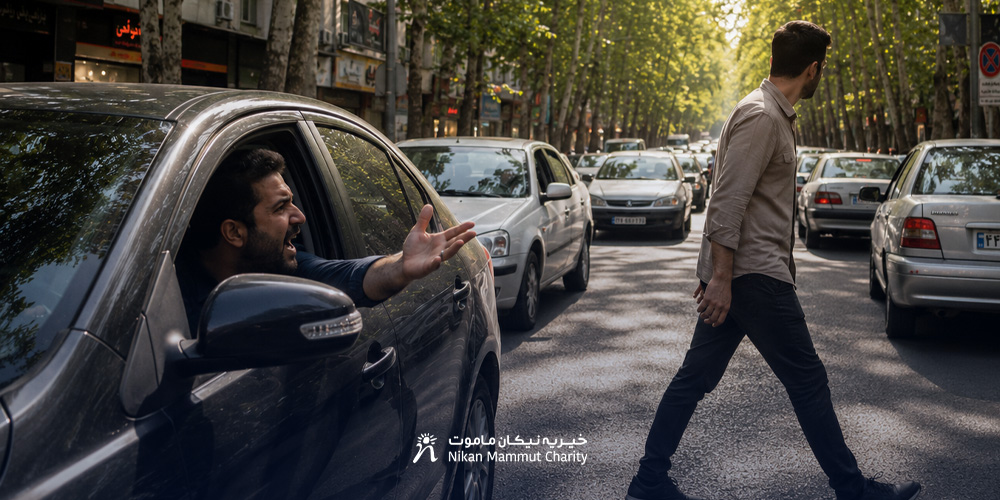
This day reminds us that millions of people around the world from young children to older adults live with deafness or hearing loss. They face not only physical and medical challenges, but also serious obstacles in access to education, treatment, employment, and social participation. Deafness does not end in silence alone; when support systems and a culture of respect are missing, it can also lead to emotional isolation, lower self-esteem, and distance from society.
At the same time, World Deaf Day is a symbol of hope. It is hope for a world in which no barrier prevents deaf individuals from having their rightful voices heard. It is also a reminder of the efforts of social activists, doctors, teachers, and nonprofit organizations that have worked to expand access to treatment, sign language, hearing aids, cochlear implants, and equal opportunities.
Today, all of us governments, civil institutions, families, and ordinary citizens share the responsibility of shaping a world in which deafness does not mean deprivation, but is simply one of the many ways of living in a diverse human society. Respecting the dignity of deaf individuals, ensuring their access to information and services, and embracing diversity in communication are essential steps toward building a more just world.
A Day for Deaf Voices to Be Heard: History and Purpose of World Deaf Day
World Deaf Day emerged from a global movement to recognize and uphold the rights of people living with deafness or hearing loss. It was first established in 1958 through the efforts of the World Federation of the Deaf (WFD), an organization founded in the 1950s to defend the rights and dignity of deaf people in education, healthcare, employment, and social participation.
The members of this federation, made up of representatives from national deaf associations, believed that the world needed an official day to draw public and institutional attention to both the challenges and the capabilities of deaf individuals.
Over time, World Deaf Day became one of the most important awareness dates observed by civil society organizations and international institutions. It offers an opportunity to reflect on the long and often difficult journey taken by deaf communities and their supporters over the decades from fighting for the recognition of sign language and the creation of specialized schools, to supporting modern technologies such as digital hearing aids and cochlear implants.
The main purpose of this day is to raise public awareness about the needs, rights, and abilities of deaf individuals. Conferences, educational workshops, awareness campaigns, and cultural exhibitions held around the world remind people that deafness is not only a physical condition, but also a social issue one that can become a bridge to empathy, inclusion, and human flourishing when met with support, education, and acceptance.
Beyond its cultural and educational role, World Deaf Day also carries a strong social and legal message. Governments and civil institutions have a duty to create policies and infrastructures that prevent discrimination and ensure equal opportunities in education, healthcare, communication services, and employment for deaf and hard-of-hearing individuals. This day stands as a unified voice declaring that no one should be deprived of their fundamental human rights because they cannot hear.
More Than 5% of the World’s Population: Global Hearing Loss Statistics
According to the latest reports from the World Health Organization (WHO), more than 430 million people worldwide live with disabling hearing loss. That figure represents nearly 5% of the global population. Forecasts show that, without preventive measures and expanded care, this number could rise to nearly 700 million people by 2050. In other words, 1 in every 10 people may be living with significant hearing impairment in the coming decades.
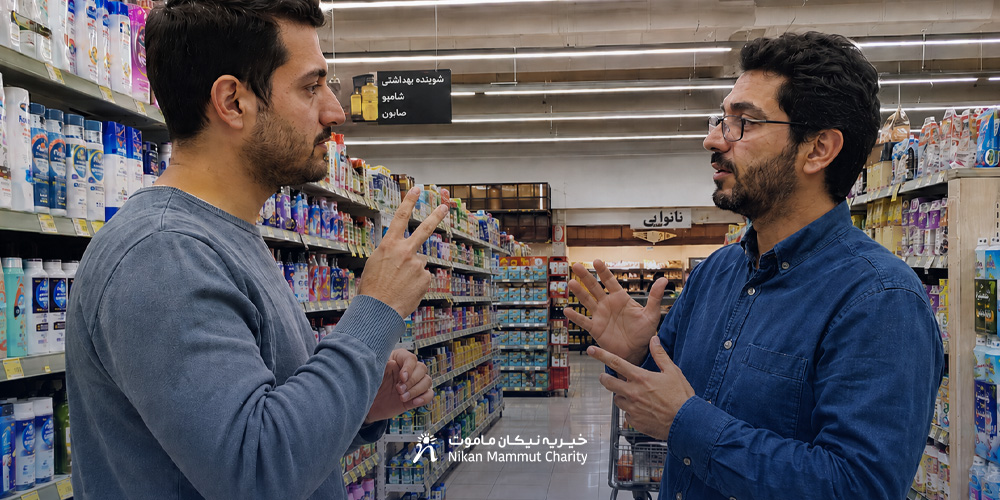
These numbers are more than statistics. Behind each figure is a human life navigating unchosen silence, communication barriers, and social hardship.
Young children especially in low-income and developing countries are among the most vulnerable. Data shows that in many of these regions, fewer than 20% of children who need hearing assessments or hearing support devices actually receive them. As a result, many deaf or hard-of-hearing children are excluded from mainstream education and miss critical opportunities to develop communication and social skills.
The consequences of untreated hearing loss are not limited to education. Employment and earning potential are also deeply affected. People who are unable to develop essential skills or who do not receive adequate support often face higher unemployment rates and lower incomes. Over time, this contributes to wider economic and social inequalities.
The WHO emphasizes that more than 60% of hearing loss cases in children can be prevented through public health measures such as vaccination against measles, rubella, and meningitis, proper prenatal care, and timely treatment of ear infections. At the same time, access to hearing aids, cochlear implants, and communication skills training can significantly improve quality of life for deaf and hard-of-hearing individuals.
These global figures serve as a warning to governments and international institutions. They show that deafness is not just a medical issue. It is also social, economic, and cultural in nature, requiring comprehensive planning, investment in healthcare and educational infrastructure, and widespread public awareness.
The Situation and Challenges of Deaf People in Iran
In Iran, too, thousands of children, teenagers, and adults live with varying degrees of deafness or hearing loss. Each has a story of persistence and struggle to participate fully in society. Although progress has been made in recent years to expand hearing care services and public awareness, many challenges remain.
One of the most significant barriers is the high cost of treatment and rehabilitation. Many families cannot afford the expenses of cochlear implant surgery, hearing aids, or even the batteries required to keep those devices functioning. In addition, the number of specialized audiology and rehabilitation centers in underserved areas remains limited, and access to speech therapy, psychological counseling, and sign language training is still difficult for many low-income families.
In the field of communication and media, there is still a visible shortage of subtitles and sign language interpretation in television the broader community.
Another challenge a result, deaf individuals are excluded from many educational, news, and cultural resources, or must rely on limited and informal alternatives. This lack of access creates an unnecessary divide between deaf people and the broader community.
Another challenge is the lack of public awareness. Many people are still unfamiliar with sign language, the appropriate ways to communicate with deaf individuals, and the specific needs of this community. This lack of understanding can lead to stereotypes, social exclusion, or unintentional discrimination, all of which prevent deaf individuals from fully developing their abilities and talents.
Employment is also one of the major concerns facing deaf people in Iran. Suitable job opportunities are limited, and many employers remain unaware of the strengths and capabilities of deaf workers. The absence of workplace accommodations and limited access to training often mean that talented and capable individuals are unable to secure the place they deserve in the labor market.
Legal Framework and Rights of Deaf Individuals
The rights of deaf and hard-of-hearing people are clearly recognized in both international conventions and national laws. The most important global framework in this area is the Convention on the Rights of Persons with Disabilities (CRPD), which Iran joined in 2008.
This convention commits governments to adopting comprehensive policies that ensure equal access for people with disabilities including deaf individuals to education, healthcare, rehabilitation, assistive technologies, and independent living. It recognizes access to information and communication as a fundamental right and calls on states to remove communication barriers by providing subtitles, sign language interpretation, digital accessibility, and hearing support technologies.
Within Iran’s domestic legal framework, the Law on the Protection of the Rights of Persons with Disabilities and its related executive regulations also outline a range of rights for deaf individuals, including:
- Partial coverage of treatment costs such as cochlear implant surgery or hearing aid purchases
- Access to educational support in schools and universities, including sign language interpreters or support teachers
- Priority consideration for employment in certain public or private sector positions
- Insurance and tax incentives for employers who hire persons with disabilities
However, fully implementing these protections requires funding, oversight, and continuous cultural awareness efforts. Some challenges arise from limited budgets and insufficient infrastructure in health and education, while others stem from a lack of awareness among institutions and society about their legal responsibilities.
For the rights of deaf individuals to become a lived reality, existing laws must be enforced not only on paper, but in practice with sustainable financial support and meaningful cooperation between government bodies, civil society organizations, and the private sector.
Nikan Mammut Charity’s Experience in Supporting the Deaf Community
Throughout its years of activity, Nikan Mammut Charity has consistently worked to help the voices of deaf individuals be heard and to remove practical barriers from their lives.
Some of Nikan’s most important efforts include:
- Covering the cost of cochlear implant surgery for more than 50 children whose families could not afford the procedure
- Donating hearing aids and providing batteries and related accessories for more than 200 hard-of-hearing individuals from low-income families
- Offering financial support for treatment and rehabilitation, including speech therapy sessions and sign language education for families
These efforts, made possible through the support of donors and compassionate partners, are part of a broader path toward empowerment and equal opportunity for deaf and hard-of-hearing individuals.
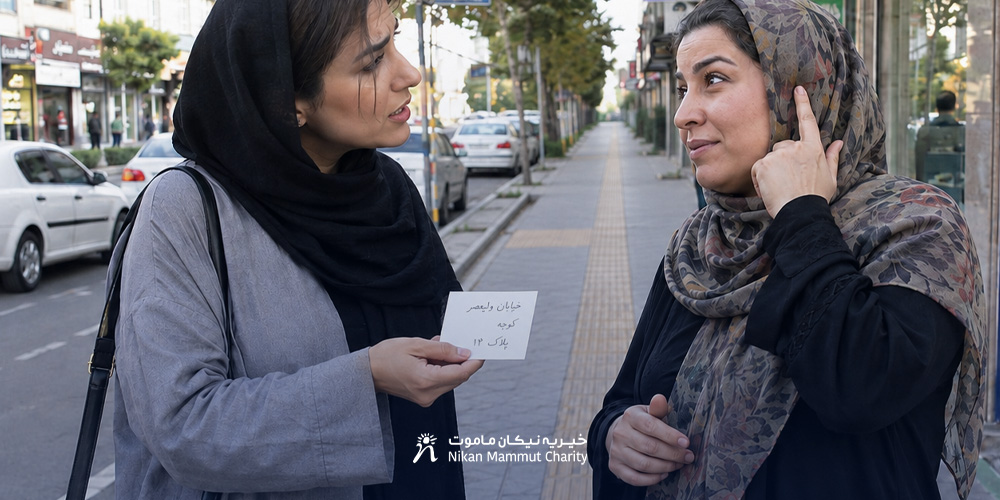
Let Us Stand with Nikan in Supporting the Deaf Community
No policy or program, no matter how well designed, can succeed fully without the conscious participation of society. In the case of deafness, social awareness and cultural change are just as important as laws and specialized services.
When a neighbor, coworker, teacher, employer, or even a passerby has a better understanding of the needs of deaf individuals, the invisible walls between the “hearing world” and the “deaf world” begin to fall. In their place, a bridge of empathy and communication can be built.
Learning sign language is one of the most important steps on this path. Sign language is not merely a technical tool for transferring information. It is a living language, full of culture, emotion, and creativity, that allows deaf individuals to express their experiences and dreams with authenticity and freedom. Teaching and using sign language in schools, workplaces, and even family gatherings can soften invisible boundaries and improve the quality of interaction for everyone.
At the same time, creating fair and suitable employment opportunities can pave the way for greater independence and self-confidence among deaf individuals. Employers who create supportive work environments with simple accommodations such as sign language interpretation during training sessions or hearing support tools in the workplace are investing in a stronger and more capable society.
In this mission, Nikan Mammut Charity stands beside you. By covering the costs of cochlear implants, donating hearing aids, supporting speech therapy, and helping families access sign language education, we work to remove barriers and create equal opportunities for the deaf community.
But these efforts cannot be complete without your support.
Let us stand with Nikan in supporting the deaf community.
Let us remember that World Deaf Day is not just a commemorative date on the calendar. It is a living message calling on us to become the voice of those who are too often unheard in the noise of everyday life.
You can take part in this movement in many ways:
- by offering financial support for treatment and rehabilitation
- by volunteering in educational programs
- by learning sign language and sharing that knowledge with others
Together, we can build a world in which no human voice or message disappears into silence a world in which deafness does not mean distance or isolation, but is recognized as one of the many forms of human diversity and richness.
In this path, every small step you take can help sustain hope, dignity, and brighter futures for deaf individuals.
we invite you to visit the About Us page of Nikan Mammut Charity. There, you can discover how the generosity of donors has helped transform thousands of lives through healthcare, education, and social support.
At Nikan Mammut Charity, every act of kindness creates new opportunities for hope. By standing with us, you become part of a community that believes compassion, inclusion, and equal opportunities can build a better future for deaf and hard of hearing individuals and their families.
Comments
What is you comment about this article?