World Day to Combat Desertification Drought
Our planet is a diverse tapestry of ecosystems, each hosting unique species of flora and fauna. Deserts are a natural part of this global balance, naturally covering vast regions of the Earth. These arid landscapes are characterized by minimal rainfall and sparse vegetation, serving as a specific biological niche.
However, a critical environmental crisis arises when fertile, water-rich, and green ecosystems the primary habitats for diverse species and vital water sources begin to dry up and transform into barren land. This phenomenon, known as desertification, leads to catastrophic droughts.

The World Day to Combat Desertification Drought, observed annually on June 17, was established to promote drought prevention and raise awareness about the benefits of land restoration. This day focuses on reclaiming degraded lands and transforming them back into healthy, productive environments. Drought is one of the most significant threats to sustainable development, impacting both developing and developed nations. The primary objective of this day is to find actionable solutions to desertification, restore soil health, enhance economic resilience, improve livelihoods, and ensure global food security.
History of the World Day to Combat Desertification Drought
The United Nations General Assembly officially designated the World Day to Combat Desertification Drought in 1995. The proclamation aimed to boost public awareness of the organized efforts required to fight land degradation, particularly in regions facing severe water stress. Since its inception in 1995, communities worldwide have commemorated this day to advocate for a greener future.
According to the World Meteorological Organization (WMO), the frequency and duration of droughts have increased by 29% since the year 2000 compared to the previous two decades. Currently, drought is a critical global issue affecting over 2.3 billion people who face water scarcity. UNICEF estimates that by 2040, one in four children globally will live in areas characterized by extreme water shortages.
Drought is not restricted to specific geographic locations; it affects every nation across the globe. For this reason, the United Nations Convention to Combat Desertification (UNCCD) emphasizes that global participation is essential. The goal is to inspire individuals to treat land restoration as a vital priority, ensuring sustainable solutions for the preservation of our planet.
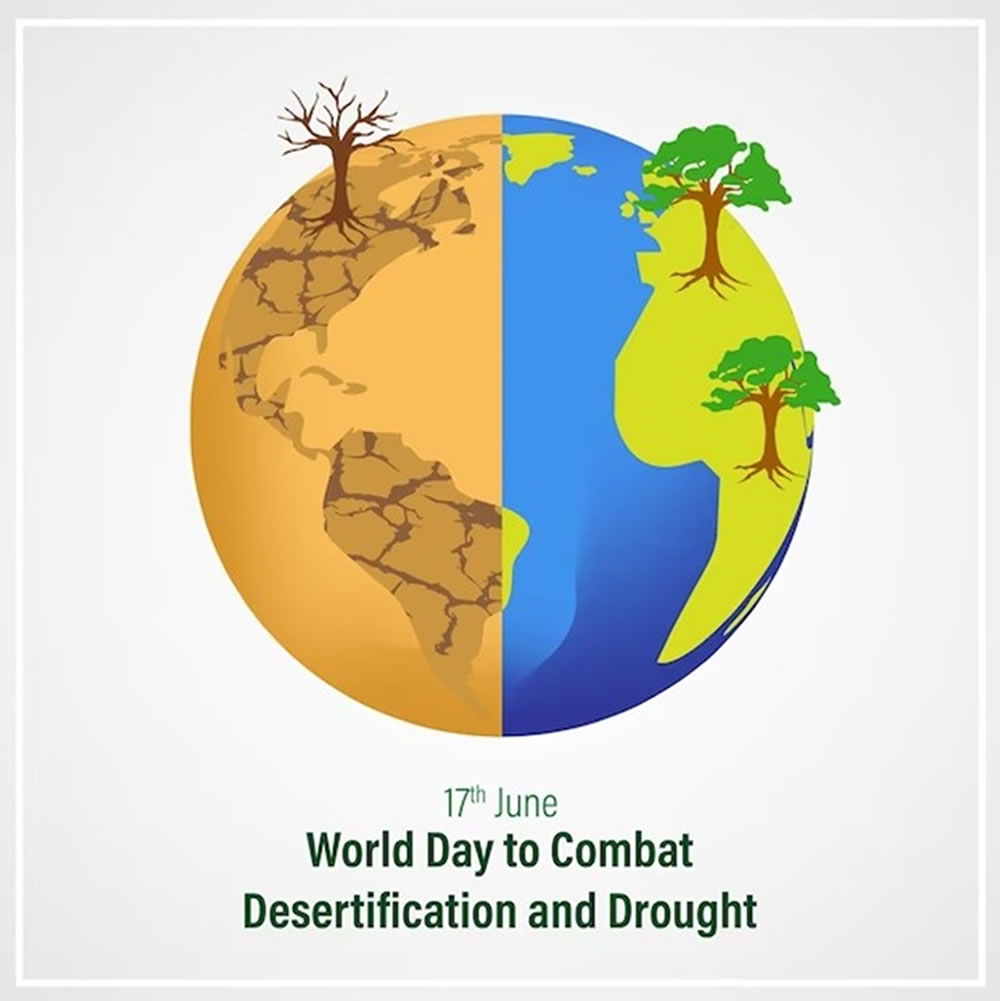
What is Desertification?
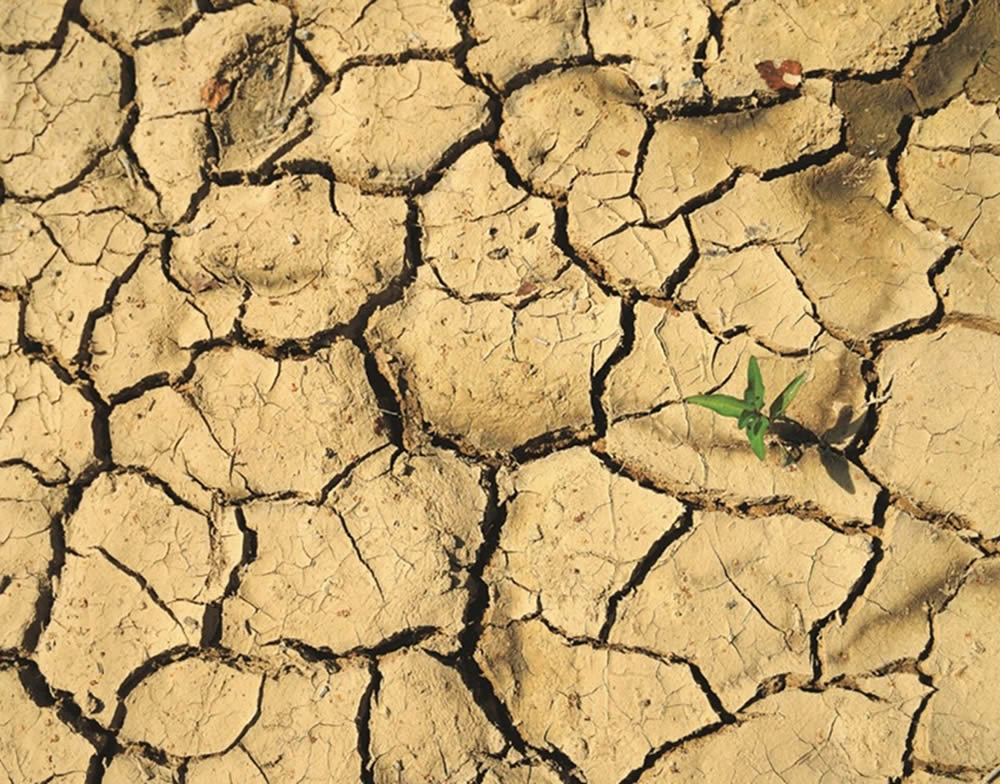
Desertification is the process by which once-fertile land becomes arid and unproductive due to factors such as prolonged drought, deforestation, or unsustainable agricultural practices in natural landscapes. It can also occur gradually as a result of long-term climate change.
Technically, desertification happens when soil nutrients become so depleted that the land can no longer support plant life. This process primarily impacts “drylands,” which cover approximately 40% of the Earth’s surface and are home to nearly 2 billion people, largely in Africa and Asia.
It is estimated that 10% to 20% of drylands have already been affected by desertification. This process can lead to famine, as crops cannot be grown in barren soil. Furthermore, the loss of green cover results in an increase in dangerous dust storms, which significantly impact human health and air quality.
Milestones: Combating Desertification Through Time
1992: A Threat to Development
Desertification was officially recognized as one of the most critical threats to sustainable development during the Rio Earth Summit.
1995: Official Proclamation
The UN General Assembly formally declared June 17 as the World Day to Combat Desertification Drought.
2005: A Century’s Record
The Amazon rainforest suffered its worst drought in 100 years, highlighting the vulnerability of even the world’s “lungs.”
2017: Strategic UN Partnership
The UN and its partners began supporting over 70 drought-prone countries to develop national disaster mitigation and land management plans.
Frequently Asked Questions About Desertification
1. What is the global impact of desertification?
Desertification increases the risks of hunger, poverty, water scarcity, and climate change. It leads to the loss of biodiversity and disrupts the overall ecological balance of the planet.
2. How much land is lost annually?
Desertification and drought destroy approximately 75 billion tons of fertile soil every year across the globe.
3. What are the primary causes of desertification?
The main drivers include over-cultivation, unsustainable irrigation, climate change, overgrazing of livestock, deforestation, poor land management, and high population density in fragile ecosystems.
How to Commemorate the World Day to Combat Desertification Droughtication?
Organize an Event
You can raise awareness by organizing or participating in environmental workshops and community events that highlight the importance of drought prevention.
Adopt a Green Lifestyle
Switching to eco-friendly habits helps prevent drought. This includes practicing water conservation and supporting businesses that prioritize environmental sustainability over profit.
Plant a Tree
Trees are the most effective natural barrier against soil erosion and desertification. You can plant trees in your garden or local park. If you lack the space or time for physical planting, Nikan Mammut Charity allows you to participate in professional reforestation projects with just a few clicks.
Critical Facts About Drought
Vulnerable Regions
The three regions most susceptible to desertification are Africa, Asia, and Australia/Oceania.
Food Chain Disruption
Drought disrupts the global food chain, leading to famine and food insecurity due to the lack of water for agricultural irrigation.
Duration and Persistence
Droughts are unpredictable; they can last from a few weeks to several years, making long-term resilience planning essential.
Population Pressure
Rapid population growth in dryland areas accelerates soil depletion and the expansion of desert environments.
Why is This Global Day Important?
- Raising Public Awareness: It educates the public on the benefits of land restoration and the methods available to combat land degradation.
- Encouraging Global Cooperation: Governments and citizens must unite to mitigate the risks of these natural disasters. International solidarity is key to long-term success.
- Supporting Vulnerable Communities: This day calls upon nations to collaborate with the UN to provide aid to populations currently suffering from severe drought.
Nikan Mammut Charity’s Initiatives to Prevent Desertification
Nikan Mammut Charity Foundation considers environmental protection a core pillar of its social responsibility. To ensure a better future for families, Nikan has implemented various activities aimed at ecological preservation, which you can explore on our Environmental Services page.
In collaboration with the Natural Resources and Watershed Management Organization, Nikan Mammut has developed numerous reforestation projects. These efforts are designed to:
- Reduce carbon emissions from vehicle fuels.
- Mitigate dust storms (sand control).
- Restore burnt or damaged forests.
- Prevent avalanches and soil landslides.
These environmental issues threaten human, animal, and plant life daily and are a primary cause of climate-induced migration.
Nikan’s reforestation projects not only increase green cover but also serve as a sustainable fundraising model for our charitable missions. Through our website’s “Gift a Tree” section, you can purchase a tree in honor of a loved one. You will receive a bracelet or certificate containing a QR Code that shows the exact planting location (GPS coordinates). This allows the recipient to track the tree’s growth and visit the site, creating a lasting bond between humanitarian action and environmental restoration.
Join Nikan Mammut on our journey toward a greener, more sustainable Iran. Follow us on Instagram to stay updated on our latest reforestation schemes and environmental impacts.
Comments
What is you comment about this article?