Supporting Vulnerable Families After War
Supporting Vulnerable Families After War: Nikan Stands Beside Affected Households
Two destructive wars within just a few months created immense psychological and financial pressure for people in Iran. In such conditions, the suffering of vulnerable families becomes even more severe.
The year 1404 and the Nowruz season of 1405 will remain in Iran’s collective memory. They were days when the skies over Tehran and many other cities looked different, and the sound of sirens became part of daily life. In a short span of time, people in Iran experienced two full-scale wars: a 12-day war in Khordad 1404, followed months later by a 40-day war stretching from Esfand 1404 into Farvardin 1405.
These events plunged society into a deeper state of shock. At the same time, soaring inflation, shrinking household purchasing power, and the rapid decline in the value of the national currency made everyday life even harder.
For families who were already living behind the walls of poverty and insecurity, the crisis became far more complex. They are now facing a combination of financial strain and emotional trauma. For many of these households, the struggle is no longer only about food or medicine, but also about mental stability, safety, and the ability to keep going.
Nikan Mammut Charity, which works to support the self-reliance of vulnerable families, stood beside its beneficiary households throughout the war period. Today, more than ever, it is working to improve both the economic and emotional conditions of these families.
This article first looks at the current pressures facing Iranian society especially low-income households and then outlines a path for meaningful support.
A Look at the Strained Conditions Facing Iranian Society and Families
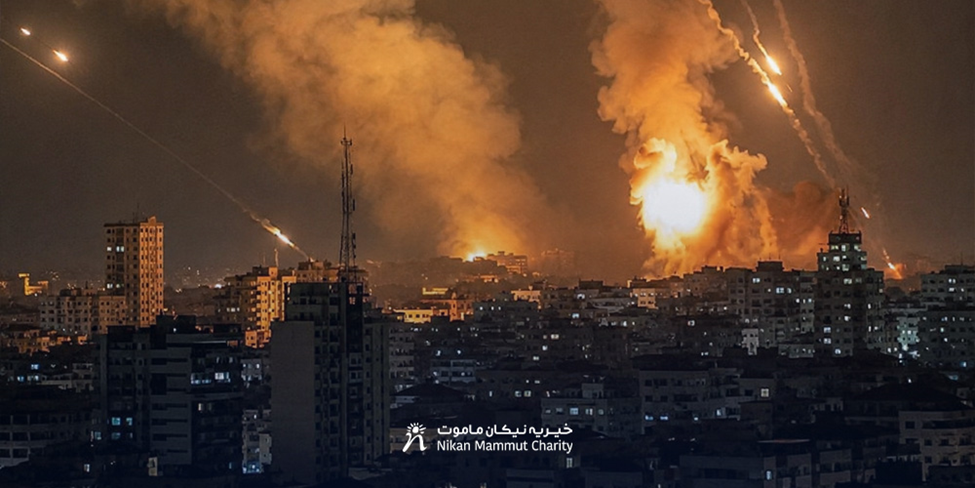
Within a single year, people in Iran experienced two major shocks: the 12-day war of Khordad 1404 and, only a few months later, a second war that began in Esfand 1404.
During these tense days marked by sirens, missiles, uncertainty, and fear, physical danger was only one part of the crisis. Economic hardship and psychological distress also deeply affected everyday life, and there is still no clear or reassuring outlook for the future.
In the final months of 1404, inflation reached unprecedented levels, and forecasts pointed to continuing pressure in the spring of 1405. Even before the most recent escalation of war, food prices had risen so sharply that the purchasing power of lower-income households was already under serious threat.
With the continuation of sanctions and the compounded economic and emotional consequences of war, the value of the national currency fell further, and many families found themselves struggling simply to secure daily bread.
In other words, a society that had already been grappling with severe inflation now faces a combination of livelihood crisis and emotional crisis. Hundreds of thousands of jobs have been lost as a result of conflict, and many factories and businesses have been damaged.
These are not just numbers. They represent fathers who no longer have work, and mothers who cannot pay for a sick child’s medicine. And within this reality, the burden carried by vulnerable families is far heavier than for most.
The Urgent Need for Psychological and Social Support
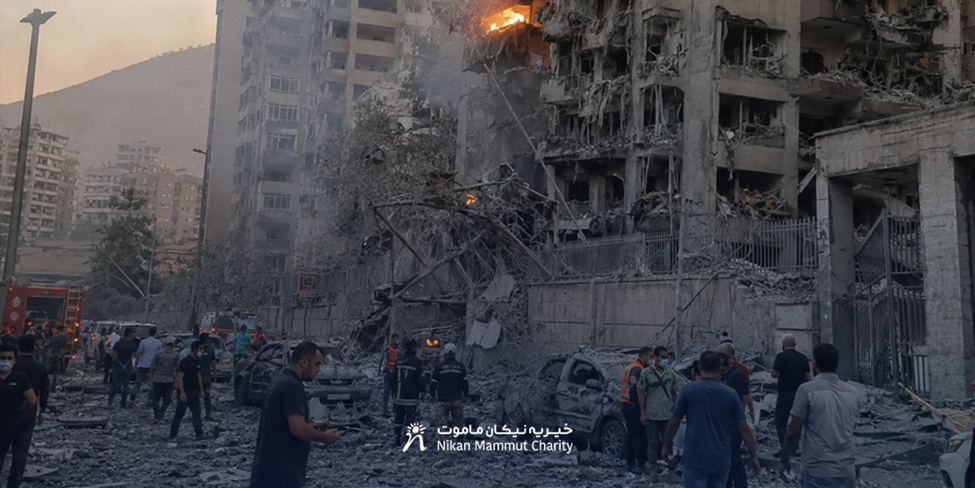
In times of intense pressure and instability, food and shelter are naturally the first priorities. But the psychological wounds of war run deeper than what bread and medicine alone can heal.
For many people, the lived experience of forty days of war and the months around it has included insomnia, chronic stress, the sound of explosions, fear of the future, and repeated exposure to heartbreaking scenes involving fellow citizens.
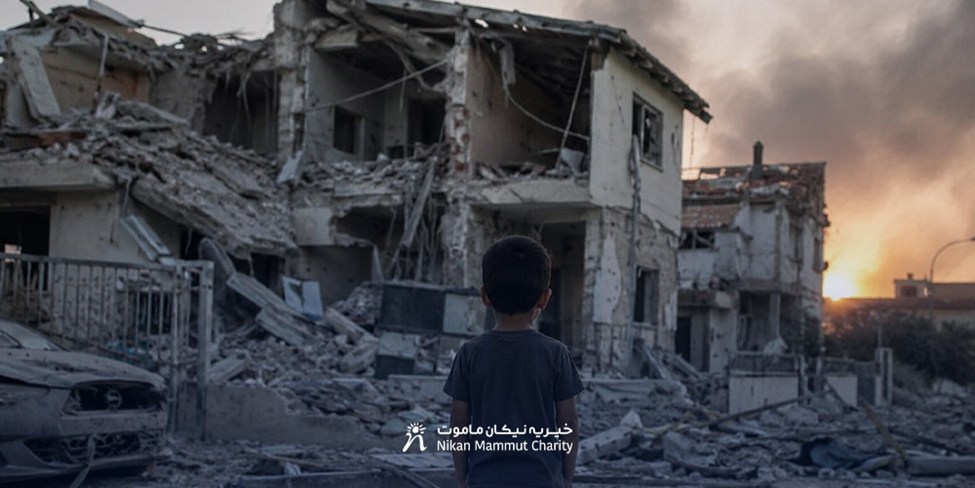
In such conditions, many children and adolescents in affected areas need urgent psychosocial support. Some have witnessed scenes no child should have to see: destruction in their neighborhoods, damaged schools, displaced families, and constant fear.
If these harms are left untreated in the short term, they can grow into deeper psychological difficulties later in life, including long-term depression, anxiety, and disruptions in emotional development.
At the same time, civil society and public institutions both have important roles to play. While state services may activate emergency psychological support in the aftermath of conflict, the scale of need often far exceeds available resources.
Today, Iranian families need social solidarity more than ever. Psychological support can mean listening to a grieving mother, offering counseling to a child who wakes up from nightmares, or helping survivors rebuild a sense of confidence and future.
The Double Burden on Supporting Vulnerable Families After War
If conditions are difficult for the broader public, they are often devastating for families already receiving support from charitable or welfare institutions.
These households were already living near or below the poverty line before the wars. With the dramatic increase in food prices and living costs, even a basic basket of essential goods has become difficult to afford.
The psychological pressure of war also affects this group more intensely. They are not only worried about physical safety, but also about bread, rent, medicine, and what tomorrow may bring.
Among the most vulnerable are women heads of household, working children, and families with very limited income security. As job opportunities have declined, many women who support their families have found it even harder to earn an income sometimes even through simple or informal work.
For these families, targeted emotional support is not a secondary need. It is part of preventing personal collapse, family breakdown, and the loss of dignity and identity under prolonged pressure.
In these conditions, although public institutions play an important role, community solidarity remains deeply transformative.
As a people-centered organization working toward the self-reliance of vulnerable families, Nikan Mammut Charity intensified its efforts after the 40-day war to help reduce these compounded pressures and keep families on the path toward stability and independence.
Nikan Beside Supporting Vulnerable Families After War
Amid this darkness, Nikan Mammut Charity has worked to keep hope alive.
Unlike many institutions that slow down during times of crisis, Nikan became even more active within the crisis itself. During both the 12-day war and the more recent 40-day war, Nikan’s teams remained beside beneficiary families.
Nikan understands that the stress of war becomes even harder to bear when it is combined with hunger and deprivation. For this reason, the distribution of food parcels and seasonal essential supplies was treated as a priority.
But Nikan’s work does not end with relief packages.
This charity has long focused on self-reliance and empowerment, and even in a time when many factories were closed and livelihoods were disrupted, Nikan continued to pursue small-scale livelihood and entrepreneurship projects.
Nikan Mammut Charity believes that genuine emotional recovery begins when a family can move beyond the immediate shock of war and begin standing on its own feet again. That is why empowerment efforts and general supportive counseling aimed at reducing the emotional effects of war continue to be followed seriously.
Let Us Stand Together for Healing and Self-Reliance
Now it is our turn.
We may not be able to stop war or reverse economic sanctions on our own, but we can help shield families from some of the emotional and social harm they cause.
Each of us can become part of this chain of support.
Nikan Mammut Charity welcomes everyone who wishes to act with compassion and solidarity. You do not need to wait for a major campaign or a national initiative. You can help today by joining Nikan’s ongoing efforts to reduce the suffering of vulnerable families.
Support can take many forms, including:
- educational assistance for children who are at risk of falling behind in school
- backpacks and school supplies for the new academic year
- livelihood and empowerment support for low-income households
- innovative humanitarian projects, such as recycling bottle caps to help provide wheelchairs for people with disabilities
Let us stand beside Nikan on the path toward the self-reliance of vulnerable Iranian families and not allow war to take away the future of this country’s children.
For any questions, collaboration opportunities, or support inquiries, please reach out to the Nikan Charity through our Contact Us page.
Comments
What is you comment about this article?