Everything You Need to Know About Special and hard to treat diseases
Special diseases and hard to treat diseases are among the most serious challenges facing healthcare systems around the world. These diseases require special attention not only because of their medical complexity, but also because of the heavy financial, emotional, and psychological burden they place on patients and their families.
In this article, we explore the definition of special and hard to treat diseases , the differences between them, their global and local status in Iran, the background of the National Day of Special and Hard-to-Treat Patients, and the role of charities in supporting patients and their families.
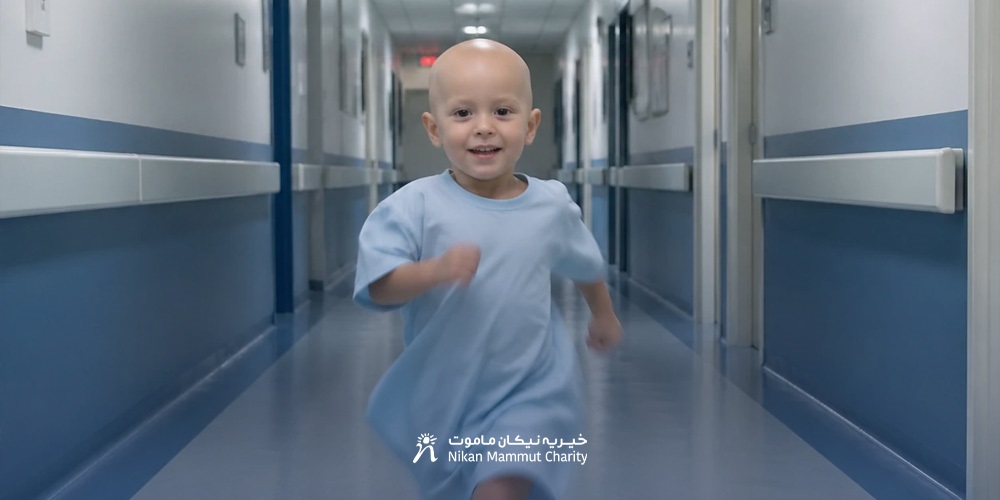
What Are Special and hard to treat diseases?
In Iran, the term special diseases refers to a group of illnesses that require special medical care, costly treatments, and continuous follow-up. According to the definitions used by Iran’s Ministry of Health, diseases such as thalassemia, hemophilia, kidney failure requiring dialysis, multiple sclerosis, certain types of cancer, diabetes, autism, and epidermolysis bullosa, also known as butterfly disease, are included in this category.
Patients living with special diseases often need long-term medical services, specialized medical equipment, continuous care, and regular access to medication. These needs can create a significant financial burden for families, especially those with limited income.
On the other hand, hard to treat diseases are conditions whose treatment is difficult, long-term, complex, and often expensive. These diseases may include some special diseases as well, but the main focus is on the complexity of treatment and the need for specialized medical care.
Patients with hard to treat diseases often require multidisciplinary care, advanced medications, specialized physicians, and complex medical interventions. For many families, managing such conditions becomes not only a medical challenge, but also a social and economic struggle.
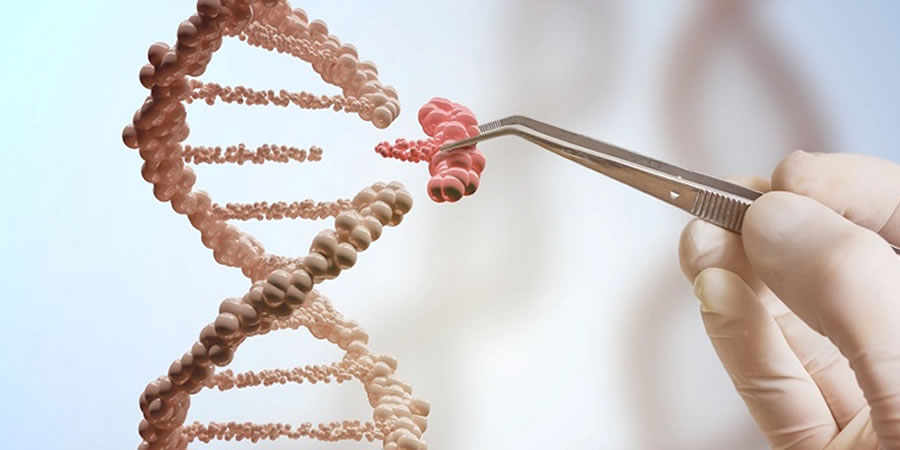
The Difference Between Special Diseases and hard to treat diseases
Although the terms special diseases and hard to treat diseases are sometimes used interchangeably, there are important differences between them.
- Special diseases usually refer to an official and defined list of medical conditions. These diseases are often covered by government or insurance support programs. In many cases, governments and support organizations provide medication subsidies, free treatment, or special discounts for these patients.
- hard to treat diseases have a broader and more clinical meaning. They may include a wide range of illnesses that are not necessarily listed as official special diseases. For example, certain rare genetic disorders, advanced autoimmune diseases, and disabling neurological conditions may fall under this category.
In simple terms, special diseases are often defined by official healthcare policies, while hard to treat diseases are defined more by the difficulty, duration, and complexity of treatment.
The Global Status of Special and hard to treat diseases
Around the world, special and hard to treat diseases are recognized as major public health challenges. In developed countries, there are extensive support programs for these patients, including comprehensive insurance coverage, access to modern medications, rehabilitation services, and multidisciplinary medical teams.
In the United States and many European Union countries, laws related to rare diseases have been introduced to support drug research and facilitate the development of rare and orphan medications. These laws also provide financial and insurance support for patients and their families.
However, in many developing countries, patients still face serious challenges, including medication shortages, high treatment costs, limited access to specialist physicians, and inadequate healthcare infrastructure. In these countries, many families are forced to pay for treatment out of their own pockets, which places a heavy economic and emotional burden on them.
According to global health reports, more than 350 million people around the world live with rare diseases, many of which fall under the broader categories of special and hard to treat diseases. These patients often face delayed diagnosis, lack of specialized information, limited treatment options, and social isolation.
Special and hard to treat diseases in Iran
In Iran, as in many other countries, special and hard to treat diseases are an important concern within the healthcare system. The Foundation for Special Diseases, as one of the leading organizations in this field, began its work in 1996 and has been active in areas such as medication supply, treatment support, patient education, livelihood assistance, and rehabilitation services.
Although important efforts have been made to support these patients, many families still face major challenges. These include shortages of special medications, high treatment expenses, lack of effective supplementary insurance, and limited access to specialized medical centers.
For example, dialysis patients in many smaller cities may not have continuous access to the medical services they need. Patients with epidermolysis bullosa, also known as butterfly disease, may face serious difficulties in obtaining specialized wound dressings.
According to available statistics, around 3 million people in Iran live with rare diseases, and a significant number of them are considered patients with special or hard to treat diseases. Due to their complex medical and care needs, these patients require structural support, more precise policymaking, and the active participation of governmental, non-governmental, and community-based organizations.
Many of these patients are deprived of proper treatment because they do not have full insurance coverage or access to specialized healthcare centers. This is where the role of medical charities and civil society organizations becomes essential.
The National Day of Special and Hard-to-Treat Patients in Iran
In Iran, May 8, known in the Iranian calendar as the 18th of Ordibehesht, has been designated as the National Day of Special and Hard-to-Treat Patients. This day was chosen to mark the official beginning of the activities of the Foundation for Special Diseases in 1996.
The purpose of this day is to raise public awareness about the challenges faced by these patients, encourage public support, promote a culture of solidarity, and strengthen social advocacy for improving the quality of life of patients with special and hard to treat diseases.
On this day, many charities, non-governmental organizations, healthcare institutions, and media outlets work to draw public attention to the needs of these patients. They do this by publishing educational content, launching support campaigns, and organizing awareness-raising events.
The National Day of Special and Hard-to-Treat Patients is also an opportunity for policymakers and healthcare authorities to review laws, budgets, and support programs related to these patients and to design better solutions for their treatment and care.
Treatment of Genetic Diseases in Iran
According to Dr. Nasser Ahmadbeigi, Head of the Gene Therapy Research Center at Tehran University of Medical Sciences, until 2017 there was no definitive treatment for genetic diseases in the world. Today, however, with the development of gene therapy technology, several genetic diseases have become fully treatable.
In Iran, valuable steps have been taken in recent years at Tehran University of Medical Sciences to develop gene therapy technology. Initial efforts have been made to bring together existing resources, including available infrastructure and skilled human resources, within a gene therapy technology development ecosystem known as GENA.
One of the results of this ecosystem has been the production of several drug prototypes for diseases such as thalassemia and acute lymphoblastic leukemia, also known as ALL. Clinical trials for these medicines are expected to begin in the near future. If these studies are successful, Iranian patients may be able to benefit from these treatments in the coming years.
These developments show that scientific progress, specialized investment, and cooperation between medical institutions can create new hope for patients living with genetic and hard to treat diseases.
The Role of Charities in Supporting Patients with Special and hard to treat diseases
Charities in Iran and around the world play a key role in reducing the suffering of patients with special and hard to treat diseases. By using public donations, volunteers, benefactors, and support networks, charities provide services that formal healthcare systems may not be able to offer completely.
The support provided by medical charities may include:
- Supplying special medicines and medical equipment that are unavailable or too expensive in the market
- Paying treatment costs for underprivileged patients, especially in advanced stages of disease
- Preparing and distributing support packages, including food, hygiene items, and patient care supplies
- Providing psychological and social support for patients and their families
- Establishing counseling centers, specialized clinics, or health houses with the support of donors
- Running awareness campaigns to inform the public and reduce social stigma
For many vulnerable families, a charity can become the bridge between illness and treatment, between fear and hope, and between isolation and social support.
The Role of Nikan Mammut Charity in Supporting Patients with Special Diseases
Nikan Mammut Charity has always worked to help build a healthier and happier world. As a charity in Iran, Nikan Mammut Charity supports underprivileged families in seven different areas. One of these key areas is helping families under its support access the medication and medical treatment they need.
Over more than 15 years of activity, Nikan Mammut Charity has worked to support the treatment and recovery of thousands of vulnerable patients. The charity believes that special and hard to treat diseases are not only medical issues; they are also social, economic, and deeply human challenges.
Patients in this group need broad and continuous support for many reasons. Developing healthcare infrastructure, improving insurance coverage, raising public awareness, and encouraging the participation of civil society organizations can all help improve the quality of life of these patients.
Cooperation between governmental institutions, charities, and non-governmental organizations, along with the use of media capacity and stronger corporate social responsibility, can reduce many of the challenges faced by patients and their families.
The National Day of Special and Hard-to-Treat Patients is an opportunity to reflect, show compassion, and move toward a more humane society; a society in which no patient is deprived of treatment because of financial hardship, and every person, regardless of their illness, has an equal opportunity to live a healthy and dignified life.
Join Nikan Mammut Charity in Supporting Vulnerable Patients
To participate in Nikan Mammut Charity campaigns, you can complete the supporter and volunteer forms and join the Nikan community.
Your donations to the medical support branch of Nikan Mammut Charity will be used for:
- Paying medication costs for underprivileged patients
- Covering the costs of doctor visits, hospitalization, surgery, laboratory tests, radiology, and other medical services
- Providing hearing aids, wheelchairs, cochlear implants, and different types of prostheses for patients with disabilities or mobility limitations
- Paying dental treatment and tooth restoration costs
- Donating medical and treatment equipment to hospitals and healthcare centers
Join Nikan Mammut Charity today.
To participate in Nikan campaigns, you can visit the charity’s Instagram.
Comments
What is you comment about this article?