Persian Poets on Charity and Benevolence, with a Special Focus on Ferdowsi
For centuries, charity and doing good have held a special place in Persian literature. The great poets of this land have consistently encouraged the spread of humane values such as generosity, helping those in need, empathy, and service to others. These themes are rooted in a culture that has long honored human dignity, social responsibility, and cooperation among people.
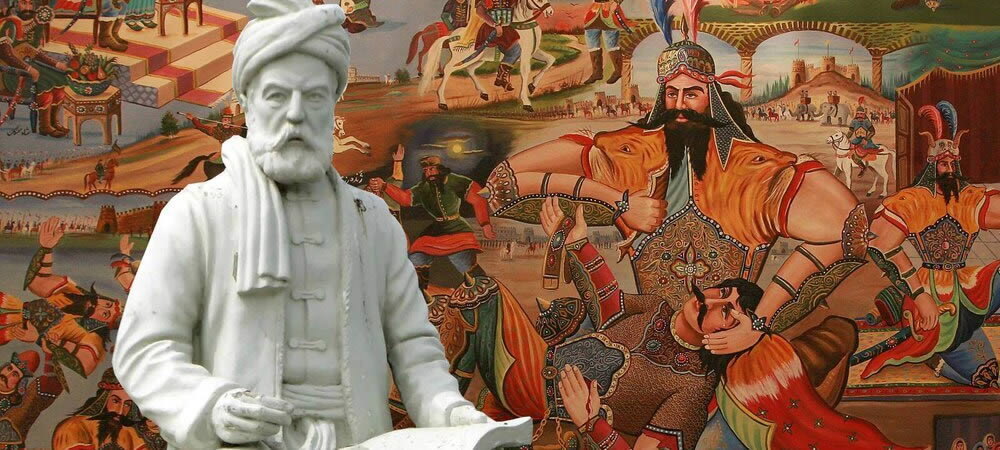
In fact, the high status of benevolence and good deeds in Persian poetry was often considered a strength—something that made poems more beloved among ordinary people. Readers felt the poet understood society’s pain, especially in periods when speaking about public hardship could itself be treated as a crime.
In what follows, with particular emphasis on Iran’s renowned poet Ferdowsi, we take a closer look at how Persian poets have approached the idea of charity and benevolence.
Persian Poets on Charity and Benevolence: A Celebrated Human Value
In Persian literature, doing good has always been seen as a symbol of humanity, compassion, and the effort to build a better world. Major Persian-language poets—such as Hafez, Saadi, and Rumi—repeatedly highlight the importance of generosity, spreading love, supporting charitable giving, and caring for others.
In Saadi’s works, especially Bustan and Golestan, kindness and benevolence appear through moral, instructive stories. He encourages people to help others not only as a social duty, but also as a profoundly human and spiritual act.
Rumi, too, presents good deeds as a spiritual path—one that brings a person closer to God and to human perfection. In his poetry, giving and helping others is not only socially important; it is also a means of cleansing the heart and reaching deeper spirituality. Overall, Persian literature treats charity as one of humanity’s foundational values and as a way to strengthen solidarity and love in society.
Ferdowsi: Sage of Speech and Epic Poet of Human Dignity
Ferdowsi, the great epic poet of Iran and creator of the Shahnameh, stands among the most influential figures in Persian literature and Iranian culture. By composing the Shahnameh—an eternal masterpiece of epic storytelling and a monumental presentation of Iran’s national myths—he played an irreplaceable role in preserving the Persian language and Iranian identity. The Shahnameh is a collection of heroic, historical, and mythical narratives that tells of champions and their struggles for justice, honor, and the defense of their homeland.
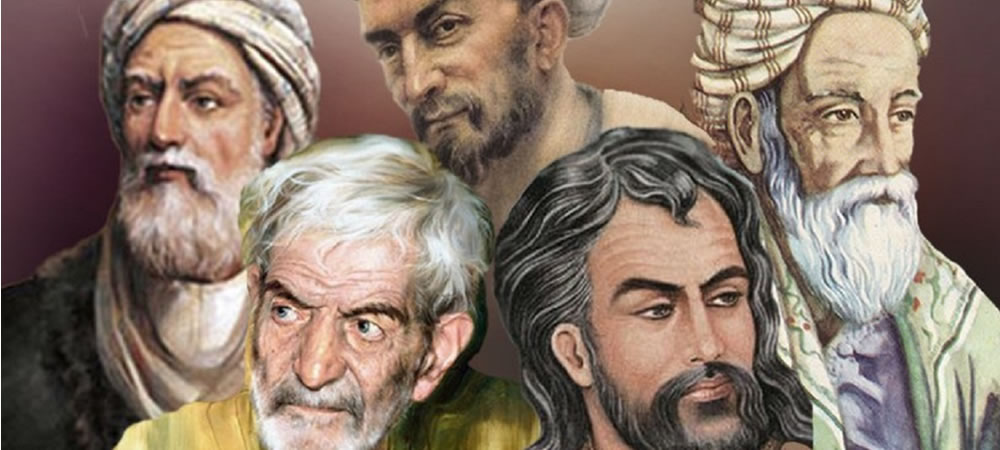
With elevated language and remarkable artistry, Ferdowsi depicts moral values such as loyalty, courage, wisdom, and love of country. His determination to safeguard Persian in a time when foreign languages were expanding reflects his deep devotion to Iranian culture and identity. The Shahnameh is not only a literary work, but also a boundless treasury of wisdom, ethics, and history—one that introduces Ferdowsi as a world-class poet.
Yet the Shahnameh is not merely about battles and heroism. Ferdowsi also paints a vivid picture of social and ethical values. In this enduring national work, he portrays benevolence and love for humanity as defining traits of true heroes. Through the generosity and goodwill of its prominent characters, Ferdowsi offers models for Iranian society to admire and follow.
How Does Ferdowsi Portray Benevolence?
In the Shahnameh, Ferdowsi extensively addresses moral concepts such as justice, kindness, honesty, and humanity. By introducing figures like Kay Khosrow, Rostam, and Esfandiyar, he promotes human values in which benevolence and helping those in need hold a central place.
For Ferdowsi, charity is not limited to performing a single good act. It is deeply connected to justice and to one’s human responsibility. Many leading characters are praised because they help the people and serve their country. For example, Kay Khosrow, the king of Iran, strives through sacrifice and goodwill to save his realm from crises and turmoil. He represents a leader who thinks not only about the welfare and security of the nation, but also about establishing justice and social ethics.
Ferdowsi also describes characters such as Rostam and Zal who, beyond bravery, possess outstanding moral qualities like generosity, honesty, and self-sacrifice—traits that make them enduring examples of benevolence for future generations.
Time and again, Ferdowsi emphasizes that those who dedicate themselves to serving people and spreading justice are superior to those who chase power and wealth. In one well-known line, he writes, in essence, that:
“Wealth is worthless unless it is paired with goodness—and that a good name and good deeds are what make a person immortal.”
Examples of Benevolence in the Shahnameh
-
Siavash
The Shahnameh includes many stories in which heroes improve society and help people through compassionate, virtuous behavior. One of the most prominent examples is Siavash. He symbolizes purity and benevolence. Despite severe hardships, he chooses goodness—and even when faced with injustice, he refuses to become bloodthirsty or cruel. Ferdowsi repeatedly suggests that kindness and generosity are the true measures of greatness and lasting honor:
“Greatness comes to the one who does good—
to the one whose heart is pure and whose body is free of harm.”
Even amid the coldness of those around him and the betrayal of Garsivaz, Siavash remains faithful to his moral principles and places benevolence above everything. His approach offers a lesson for society: even in difficult times, kindness is the best path to preserving humanity and creating a legacy that endures.
-
Kay Khosrow
Another major Shahnameh figure known for goodwill is Kay Khosrow. He is not only a just and pious king; he is deeply attentive to the future and to the fate of the people. Ferdowsi presents him as a ruler who lives for justice and generosity:
“Someone whose heart is happy with the people and whose life is filled with kindness and support.”
At key moments in his narratives, Ferdowsi—through his own voice or his characters—reminds the reader of a simple truth: the world is temporary, and what remains is “humanity.” He even says that anyone who abandons the path of humanity should be counted among demons, not among human beings:
“One of the virtues he highlights is compassion—sharing in the sorrows of others.”
In Ferdowsi’s view, happiness is collective:
“Everyone should work to reduce suffering and to brighten the hearts of the grieving.”
In the story of Siavash, he notes that bearing hardship so that others may be joyful is itself a kind of happiness:
“Your happiness in this world is enough-when your hardship is for the sake of someone else.”
And he insists that the path to salvation is simple: fear God and do not harm anyone:
“Reflect on the passing of your days; make devotion to the righteous Judge your practice. Fear God, and wrong no one—this alone is the road to deliverance.”
He goes further, stating that prosperity is tied to lifting up the poor—becoming “wealthy” through making the needy glad:
“Rich you will be, if you gladden the needy, and make your fellow people joyful.”
Ferdowsi pays careful attention to different vulnerable groups and, in the context of Bahram’s letter, instructs generosity toward them. Few poets have addressed so many groups with such detail, including:
- Those with dignity who hide their need and do not openly ask for help:
“Support those who hide their need; they often suffer longer before they can bring themselves to ask.”
- The elderly who have become unable to work and are treated with little respect:
“And the aged, rendered helpless—now scorned in the eyes of the high and mighty.”
- The honorable person who has gone bankrupt and lacks money despite having a good name:
“Reputation in itself is of little consequence without material means; in the sphere of commerce, recognition is granted only to those who possess tangible resources.”
- Orphaned children without a guardian and without resources:
“One may also witness orphaned children, bereft of paternal protection and left without financial means or material security.”
- Those who have fallen into sadness, depression, or spiritual exhaustion and need their spirits revived:
“One should show beneficence toward their many needs, thereby rekindling the strength of lives and spirits worn down by deprivation.”
This is only a small handful of Ferdowsi’s lines on charity and benevolence; countless other examples cannot fit into one short piece. At the heart of Ferdowsi’s thought, the root of every good and every virtue is the human mind—reason and wisdom.
Ferdowsi, drawing on the idea that “the first thing God created was intellect,” considers reason the highest creation, and from it all good qualities flow. That is why, in the Shahnameh, the ideal king possesses divine glory and inner light—someone who masters the self through higher wisdom and can spread goodness throughout society.

Other Persian Poets on Charity and Benevolence
The way Persian poets view benevolence is grounded in deep ethical and human values that are intertwined with spiritual and mystical themes. In classical Persian literature, doing good is presented as one of the greatest virtues—an avenue for drawing nearer to God and a means of refining the soul.
Poets such as Saadi, Rumi, Attar, and Hafez repeatedly stress love for others, generosity, and empathy, and they treat kindness as one of humanity’s essential duties. Saadi points to the necessity of helping the needy through instructive tales, while Rumi describes benevolence as a journey toward truth—one that elevates the human spirit.
In Hafez’s worldview, being good to people and serving others is a sign of true happiness and love of the Creator. In this way, charity in Persian poetry is inseparably linked to justice, selflessness, and human solidarity—and Persian poets, with warm and persuasive language, present it not merely as a social responsibility, but also as a path toward spirituality and lasting honor.
Saadi: The Teacher of Love and Benevolence
Saadi speaks clearly about helping others in both Golestan and Bustan. He believes a person should always take steps toward serving fellow human beings. In one of his most famous lines, he says that the children of Adam are “members of one body,” and therefore, people must be responsible and compassionate toward one another. In Saadi’s view, benevolence is not only a good deed; it is part of the human duty that supports personal and social growth.
In the works of Saadi, the great Persian poet of the seventh century AH, particularly in Golestan and Bustan, there is a consistent emphasis on the virtues of generosity, assistance to those in need, and compassion toward fellow human beings. Saadi conceives of the human being as inherently social, whose fate is inseparably intertwined with that of others.
One of his most celebrated verses in this regard states:
“Human beings are members of a single body,
created from the same essence.
When one member is afflicted with pain,
The others cannot remain at ease.
If you are indifferent to the suffering of others,
You are unworthy of being called human.”
Through this simple yet profound expression, Saadi highlights the interconnectedness of humanity and the ethical responsibility individuals bear toward one another. He maintains that human beings must act with social responsibility and regard the suffering of others as their own. These famous lines serve as a powerful reminder of human solidarity, asserting that the pain of one is the concern of all, and that indifference toward such suffering is morally unacceptable.
In Golestan, many stories revolve around charity and assisting those in need. In one tale, Saadi describes a wealthy man who refused to feed the hungry and eventually found himself trapped in poverty and hardship. The message is clear: wealth is temporary, and kindness is what truly matters—bringing not only spiritual reward but also worldly blessing.
Hafez: The Most Elegant Narrator of Kindness
Hafez uses symbols, vivid imagery, and a richly layered language to express ethical and mystical ideas. Love and benevolence hold a special place in his ghazals, where he repeatedly points to forgiveness, helping others, and selflessness.
For Hafez, loving people and serving creation is a route toward spiritual refinement and divine satisfaction. Benevolence is not merely a duty; it is a way to purify the soul and move closer to truth and sacred love. One of his well-known lines suggests that if you live with good conduct, even angels would hold you up with their prayers when you stumble. In short, his poetry continues to inspire countless readers through the symbolic, beautiful, and spiritual expression of love, goodness, and service.
Rumi: The Messenger of Love and Generosity
Rumi Jalal al-Din Balkhi, the great mystical poet, considers benevolence a manifestation of divine love. In the Masnavi, he emphasizes helping those in need and loving others. For Rumi, doing good is not only an external act; it is a return to the divine essence and a harmony with universal love.
In the Masnavi, he encourages freeing oneself from selfish desires and living in service to others. Love, for Rumi, flows not only toward God but through all creation, and benevolence is a tangible way of expressing that love. He famously notes that this world is like a mountain: our actions echo back to us. In other words, goodness returns as goodness.
Nezami: A Portrait of Love and Generosity
Nezami Ganjavi also pays special attention to generosity, particularly in Layla and Majnun. He presents giving as a noble human quality on the path toward one’s beloved, inviting readers to embrace this virtue. In one scene, the hero gives up his horse—his own means of travel—to a hunter so that two gazelles may be freed. It reflects the same philosophy behind fulfilling a vow to release a prisoner: sacrificing something valuable to restore freedom and dignity.
For Nezami, generosity is a path to greatness and a lasting name. He consistently portrays kindness and care for people as a worthy and truly human quality.
How These Poets Shaped Society
The poets’ emphasis on charity and benevolence has deeply influenced Iranian culture and society. For centuries, their works have served as sources of moral and social education. The themes of kindness and human-centered ethics found in Ferdowsi, Saadi, Hafez, Rumi, and others continue to live on in everyday life and in the values that shape Iranian society.
Their writings reflect a cultural tradition in which serving others is regarded as a moral and human obligation. For these poets, benevolence is a way to elevate humanity and strengthen one’s relationship with God and with the people around them.
Conclusion
The perspective of Persian poets on charity and benevolence—especially in Ferdowsi’s work—highlights ethical and human values that have remained central throughout Iranian cultural history. By emphasizing justice, love, and service to others, these poets promote kindness as a key part of human and social responsibility. Their works did not only speak to their own time; they have inspired generation after generation and still offer meaningful guidance today.
Through the benevolence and goodwill of Shahnameh’s characters, Ferdowsi provides a powerful model of humanity and social justice. In stories such as Siavash and Kay Khosrow, he teaches that kindness and generosity are not merely personal virtues, but tools for building a more just and humane society. This reflects a lasting cultural ethos: serving others is part of our shared responsibility. Ferdowsi, with his profound thinking, placed benevolence at the heart of his epic—and by doing so, made it part of a living moral tradition.
In Persian literature—especially in the works of major poets like Ferdowsi—charity and benevolence are portrayed through a human and social lens. These themes appear across many classical texts and have played a striking role in shaping ethical behavior. They mirror values that have long mattered in Iranian culture and remain a lasting legacy to this day.
Nikan Charity: Following the Path of Persian Poets
With more than fifteen years of experience and expertise, the Nikan Charity Foundation is one of the trusted supporters of underprivileged families in Iran. There is a meaningful connection between Nikan’s goals and the ideas of great poets such as Ferdowsi, Hafez, Saadi, Khayyam, and Rumi—especially in the shared commitment to serving people.
This charity prioritizes meeting the needs of vulnerable Iranian families across diverse areas, including:
- Providing essential living supplies
- Medical and health support
- Educational and academic support
- Job creation and employment support
- Housing assistance
- Welfare and administrative facilities
- Support and service during times of crisis
If you would like to contribute to charity and benevolence and walk in the footsteps of Iran’s great poets, you can join Nikan Charity.
Comments
What is you comment about this article?