A Complete Guide to Getting an Organ Donor Card
- A Complete Guide to Getting an Organ Donor Card
- The Domino Effect of Kindness
- How to Get an Organ Donor Card
- Ways to Get an Organ Donor Card
- Can Foreign Nationals Receive an Organ Donor Card?
- A Look at Surprising Organ Donation Statistics in Iran
- An Organ Donor Card Alone Is Not Enough
- How Can We Promote the Culture of Organ Donation?
A Complete Guide to Getting an Organ Donor Card
In this article, we review the process and requirements for getting an organ donor card. Everything you need to know about this humanitarian culture is explained here. Stay with us to learn more about the thought-provoking statistics of organ donation and why receiving an organ donor card matters.
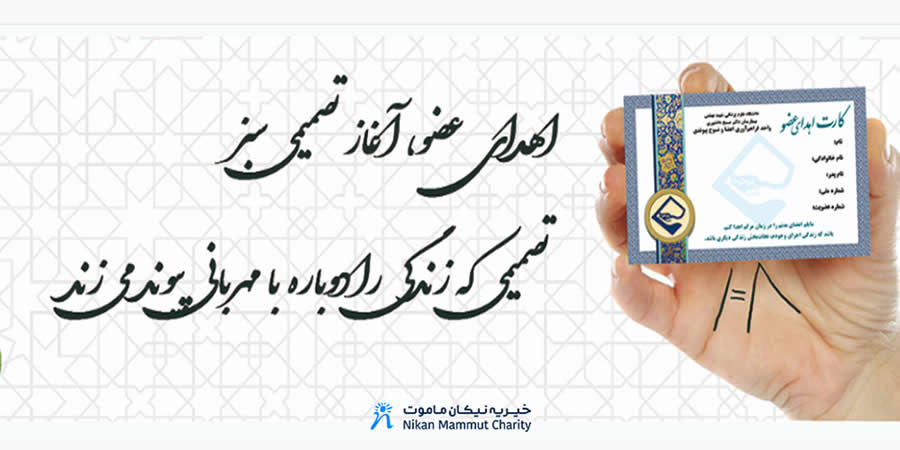
The Domino Effect of Kindness
When we talk about organ donation and organ donor cards, we are talking about an effort to continue human life through generosity, compassion, and giving. Although the consent of the individual and their family is essential in organ donation, the general culture of society also plays a major role in expanding this life-saving practice.
Donating the organs of a deceased person can help another human being continue living. Society should be proud of such altruism and this deeply humane act.
Although there is still a need for much more cultural work in the field of organ donation, it has already become part of public culture in Iran — or at least, it has become far more widespread than in the past.
Most of us are familiar with the phrase “Organ donation is the gift of life”, and we understand how important organ donation can be in giving patients a second chance at life. Still, people respond to the idea of organ donation in different ways.
Some people pass by the phrase with indifference. Some think about it but have not yet taken action to receive an organ donor card. A third group consists of volunteer organ donors who have already received their donor cards; many of them have also spoken with their families about their decision and informed them of their wishes.
All three groups can benefit from this article, because it explains why this humanitarian act matters, how to get an organ donor card, what the requirements are, and why it is essential to prepare and inform your family.
The number of people in need of organ transplants is high, and it continues to grow. In such a critical situation, patients must remain on waiting lists until their turn comes — a painful, stressful, and often desperate experience. If the waiting period becomes too long, the patient’s life may be placed at serious risk, and their physical and emotional condition may worsen.
Some patients, hoping to go through the process faster, turn to buying the organ they need. However, on the one hand, the cost of purchasing an organ is extremely high and beyond the reach of many people. On the other hand, this creates more opportunities for brokers and profiteers to exploit vulnerable patients and families.
Click here to contact this organization and for more information.
This is why organ donation can help patients who are waiting with hope and uncertainty. It can give them the chance to live again.
In Surah Al-Ma’idah, verse 32, it is stated:
“Whoever saves one life, it is as if they have saved all of humanity.”
Organ donation is an ethical and humanitarian act that can save the lives of our fellow human beings. To emphasize the importance of organ donation and promote public awareness, Ordibehesht 31 has been named National Organ Donation Day in Iran.
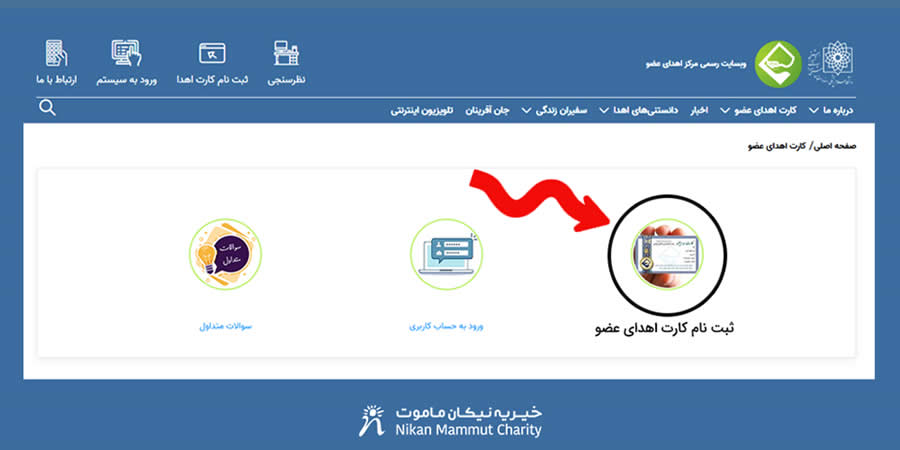
How to Get an Organ Donor Card
Every person has the opportunity to receive an organ donor card during their lifetime. In this process, the individual is the main decision-maker. By their own heartfelt consent, they declare that if something happens to them, their family may donate their organs.
Having an organ donor card shows that the person has expressed their willingness to donate.
After registration, the organ donor card information is recorded in the national donation system, and hospitals can access it when needed. Although only the donor’s own consent is required to receive the card, applicants are strongly advised to inform their families about this decision.
Today, there are several ways to receive an organ donor card, and the process has become very simple. These different methods allow you to apply for the card in the shortest possible time, no matter where you are.
The registration steps are also quick. You only need to enter basic information such as your first and last name, identity details, residence information, and workplace information on the relevant website.
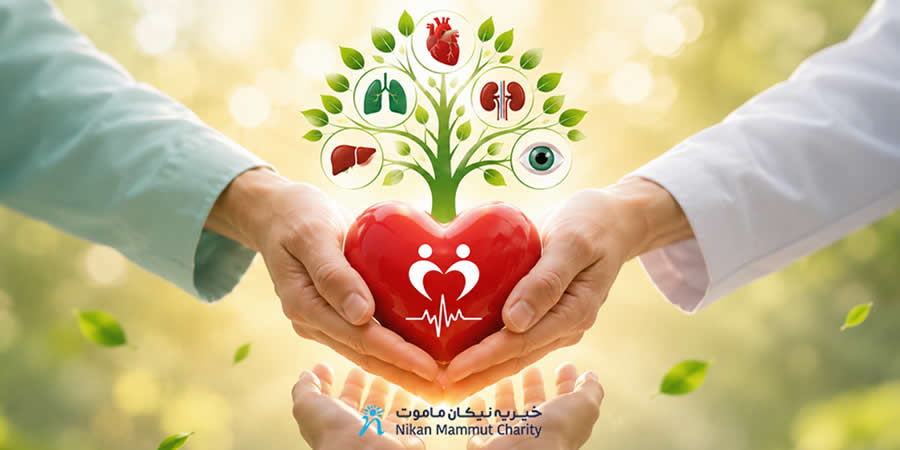
Ways to Get an Organ Donor Card
Organ donor cards are no longer issued physically and are available online. However, you can visit the official organ donation website and print your card if you wish.
There are three simple and accessible ways to receive an organ donor card:
- Send the number 7 by SMS to 3432
- Visit the Masih Daneshvari Hospital website
- Visit the Iranian Organ Donation Society website
Can Foreign Nationals Receive an Organ Donor Card?
Unfortunately, foreign nationals cannot currently receive an organ donor card in Iran because they do not have an Iranian national ID number.
The organ donor card registration systems are designed based on Iran’s 10-digit national ID codes. However, foreign nationals can still play an important role in promoting the culture of organ donation and encouraging those around them to take part in this humanitarian act.
A Look at Surprising Organ Donation Statistics in Iran
The statistics related to organ donation in Iran are deeply thought-provoking:
- Every year, around 8,000 people in Iran experience brain death, but only about 1,000 cases lead to organ transplantation.
- Each year, around 7,000 transplantable organs are buried in Iran due to lack of family consent.
- According to published reports, less than 10% of people in Iran have an organ donor card, while in many developed countries this figure is around 60% to 70%.
- One healthy donor can save the lives of around 8 people through organ donation.
- Every year, around 25,000 patients are on the waiting list for organ transplants.
- According to statistics, approximately one patient dies every two hours due to the lack of a suitable organ.
An Organ Donor Card Alone Is Not Enough
It is important to remember that even if a person has an organ donor card, organ donation will not be possible if the donor’s family does not give consent.
For this reason, if you are interested in organ donation, it is essential to inform your family of your decision. When your family knows your wish in advance, they are more likely to accept and respect your decision during a critical and emotional moment.
Other Important Points About Organ Donation
- After completing the donation form, you can cancel your organ donor card at any time. To do this, you need to log into the donation system, enter your national ID number, and choose the membership cancellation option.
- There is no specific age limit for organ donation. Organs may be donated at different ages depending on medical evaluation.
- Organ retrieval does not damage the appearance of the body. After the organ is retrieved, the surgical area is carefully sutured.
- You can receive your organ donor card online at any time. The card is not delivered physically.
How Can We Promote the Culture of Organ Donation?
Promoting the culture of organ donation in society requires a comprehensive and multi-dimensional approach. It must include education, awareness-raising, social participation, and support from both governmental and public institutions.
Considering that around 8,000 people in Iran experience brain death each year and only a small percentage of families consent to organ donation, the need for cultural awareness in this field is more urgent than ever.
One of the most effective ways to promote this culture is public education through mass media, schools, and universities. Awareness campaigns, educational content, and documentaries about the impact of organ donation on patients’ lives can play a major role in increasing public understanding.
Charitable institutions such as Nikan Mammut Charity have also helped introduce people to the process and importance of organ donation through workshops, seminars, and specialized consultation. However, these efforts need to expand even further in order to reduce public fears and concerns about organ donation.
As mentioned earlier, families play a very important role in this process. Since family consent is still required even when a person has an organ donor card, open conversation and awareness within families can help them make more informed decisions in moments of crisis.
Finally, legal support and broader policymaking can also help institutionalize the culture of organ donation. Supportive laws, financial or social recognition for donor families, and proper infrastructure in medical centers are among the measures that can help expand this culture.
By combining these efforts and encouraging cooperation among different institutions, we can hope that more lives will be saved.

Final Words
Receiving an organ donor card is one of the most important steps in promoting the culture of organ donation.
Since the establishment of organ procurement units in Iran, different centers have begun registering volunteers and issuing organ donor cards. Many awareness campaigns have also been carried out to encourage people to receive these cards. However, many families still hesitate when it comes to giving consent for organ donation.
Today, only a small percentage of people in society have an organ donor card. This number is very low compared to the number of patients who need transplants — a number that increases every year.
Unfortunately, many families do not consent to organ donation. The long process of obtaining consent may cause the golden time for transplantation to be lost. We hope that with greater awareness, more volunteers will take part in this ethical and humanitarian act.
It is also important to note that volunteers’ information is immediately entered into the national organ donor card system and stored there. This system is accessible to hospitals across the country and allows medical centers to search for the names of brain-dead patients hospitalized in those hospitals.
We hope for a day when no transplantable organ is buried, and when the culture of sacrifice and organ donation becomes so deeply rooted in society that people volunteer for this humanitarian act with full awareness and willingness.
We look forward to reading your thoughts and comments at the end of this article.
Comments
What is you comment about this article?