Nikan Asian Cheetah: A Symbol of Hope for Iran’s Wildlife
Nikan Asian Cheetah: A Symbol of Hope for Iran’s Wildlife
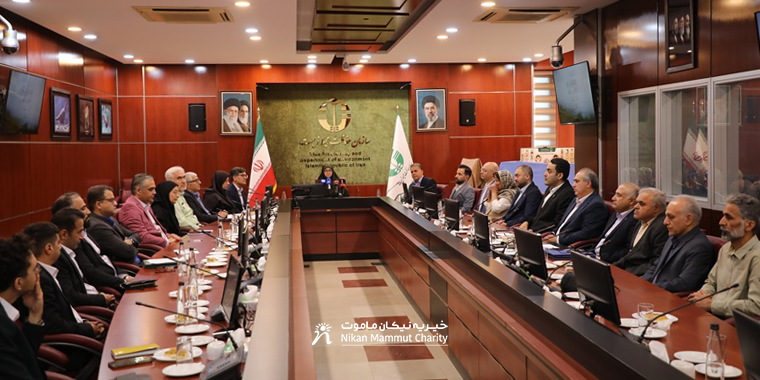
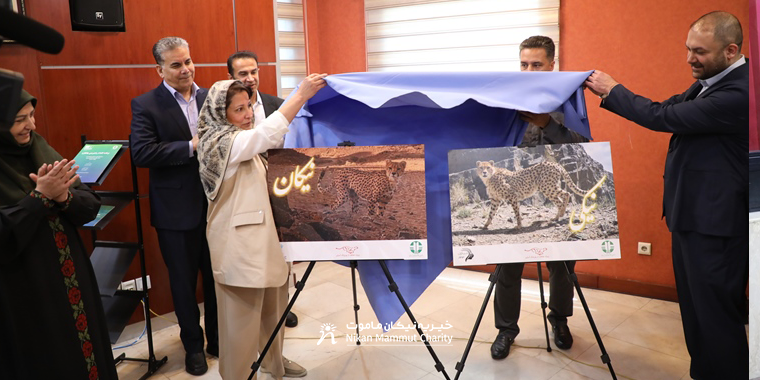
Sometimes a name carries a message far greater than the letters that form it. During Environment Week in Iran, the unveiling of the official identity certificate of a young Asian cheetah named “Nikan” attracted the attention of environmentalists, wildlife enthusiasts, and conservation advocates across the country. While it may appear to be a simple naming event, it represents something much larger: a reminder of the fragile future of one of the world’s rarest big cats.
The Nikan Asian Cheetah has quickly become a symbol of hope for the survival of the Asian cheetah, a species whose existence now depends heavily on conservation efforts and public awareness. Every initiative that draws attention to this remarkable animal contributes to a broader conversation about protecting biodiversity and preserving Iran’s natural heritage
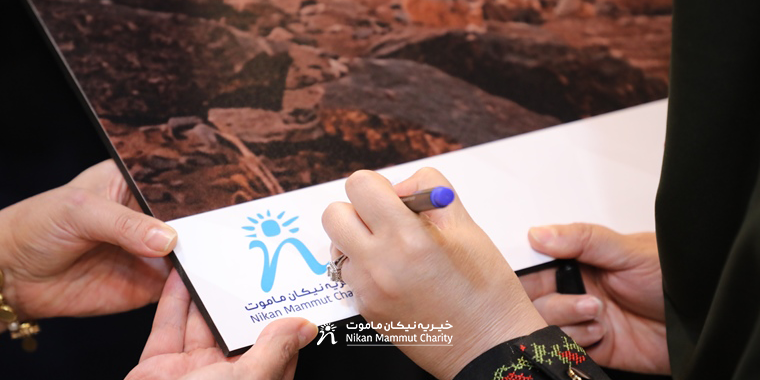
Nikan Asian Cheetah: More Than Just a Name
The introduction of the Nikan Asian Cheetah coincided with Environment Week, a period dedicated to raising awareness about environmental challenges and conservation initiatives. The choice of the name “Nikan” symbolizes hope, continuity, and a commitment to protecting endangered wildlife.
Conservation experts have repeatedly warned that the population of the Asian cheetah has reached critically low levels. As a result, every cub born into the wild represents an important milestone for the species. Likewise, every awareness campaign, educational initiative, or symbolic action that highlights the plight of the Asian cheetah can play a meaningful role in its survival.
Today, the Nikan Asian Cheetah is not simply the name of a cub. It serves as a reminder of our collective responsibility toward nature and future generations.
The Asian Cheetah: A Species Found Only in Iran
The Asian cheetah, also known as the Asiatic cheetah or Iranian cheetah, is one of the most endangered mammals on Earth. Historically, the species ranged across vast areas of Asia, from the Arabian Peninsula to India. Today, however, the last remaining wild population survives exclusively in Iran.
This reality places a unique responsibility on Iran to ensure the survival of the Asian cheetah. The species has become a national symbol of wildlife conservation and an indicator of the health of the country’s desert ecosystems.
The decline of the Asian cheetah has been driven by multiple factors, including habitat degradation, declining prey populations, road accidents, climate-related pressures, and human encroachment. These threats have pushed the species dangerously close to extinction.
Protecting the Asian cheetah is about more than saving a single animal. As an apex predator, it plays an important ecological role within its habitat. The disappearance of the species would have consequences that extend throughout the ecosystem.
Why Conservation of the Asian Cheetah Matters
Conservation of the Asian cheetah is critical not only because of its rarity but also because of its ecological significance. Healthy cheetah populations help maintain balance within fragile desert and semi-desert ecosystems.
Efforts focused on conservation of the Asian cheetah often benefit many other species that share the same habitat. By protecting landscapes essential for cheetahs, conservationists also safeguard numerous plants, birds, reptiles, and mammals.
Around the world, flagship species have successfully become ambassadors for environmental protection. The Asian cheetah has the potential to play a similar role in Iran by inspiring public engagement and encouraging broader support for environmental causes.
The story of the Nikan Asian Cheetah demonstrates how a single animal can help raise awareness about wildlife conservation and inspire meaningful action.
Public Participation and Wildlife Conservation
Experience from conservation programs worldwide has shown that endangered species cannot be protected without public support. While government agencies, scientists, and environmental organizations play critical roles, long-term success depends on community involvement.
Education, awareness campaigns, habitat restoration projects, and responsible environmental practices all contribute to the future of the Asian cheetah. Individuals, businesses, and non-profit organizations can each make a difference.
When communities understand the importance of biodiversity, they are more likely to support initiatives that protect wildlife and natural habitats. Public engagement remains one of the most powerful tools available for conservation.
Nikan Mammut Charity’s Commitment to Environmental Protection
Environmental sustainability is an essential component of responsible social development. Organizations that care about future generations recognize that their responsibilities extend beyond economic activities and include protecting natural resources.
In recent years, Nikan Mammut Charity has undertaken several environmental projects aimed at supporting sustainable ecosystems and biodiversity conservation.
One of the organization’s most significant initiatives involved planting 13,000 Tagh trees in Touran National Park, one of Iran’s most important wildlife habitats and the primary stronghold of the Asian cheetah.
Tagh trees play an important role in stabilizing soil, reducing erosion, and combating desertification. Expanding vegetation coverage in vulnerable regions contributes to healthier ecosystems and supports wildlife habitats.
This project reflects a broader commitment to environmental stewardship and demonstrates how social responsibility can contribute to conservation goals.
Touran National Park: The Heart of Asian Cheetah Habitat
Touran National Park is one of Iran’s most valuable protected areas and is widely recognized as the country’s most important habitat for the Asian cheetah.
Located in Semnan Province, the park is part of a UNESCO Biosphere Reserve and supports an exceptional range of wildlife. In addition to the Asian cheetah, Touran National Park is home to species such as the Persian onager, gazelles, caracals, and numerous bird species.
The ecological importance of Touran National Park extends far beyond a single species. Protecting this landscape means safeguarding one of Iran’s most significant natural ecosystems.
For this reason, conservation initiatives within Touran National Park play a vital role in preserving biodiversity and supporting the long-term survival of endangered wildlife
The Future of the Asian Cheetah Depends on Today’s Actions
At first glance, the naming of a cheetah cub may seem like a small event. Yet moments like these create opportunities to focus public attention on larger environmental challenges.
The Asian cheetah needs support now more than ever. Protecting habitats, reducing human-related threats, strengthening environmental education, and encouraging public participation are all essential steps toward ensuring its survival.
The Nikan Asian Cheetah represents hope a reminder that there is still time to protect the Iranian cheetah and preserve an irreplaceable part of Iran’s natural heritage.
Although significant challenges remain, cooperation between communities, conservation organizations, government agencies, and responsible businesses can help create a more secure future for the Asian cheetah. The Nikan Asian Cheetah is more than a name. It is a symbol of commitment, responsibility, and hope for the future of wildlife conservation in Iran.
In the About Us section of Nikan Mamut Charity, you will learn about our mission to support vulnerable communities through humanitarian, educational, and social initiatives. Our goal is to create sustainable opportunities and improve lives through compassion and collective action.
Comments
What is you comment about this article?