National Persian Gulf Day and Nikan Mammut Charity’s Role in Protecting Humpback Dolphins
Nikan Mammut Charity’s Role in Protecting Rare Species of the Persian Gulf
National Persian Gulf Day is not just a date on the calendar. It is a reminder to care for one of the most valuable marine ecosystems in the region.
The Persian Gulf and the Strait of Hormuz are well-known names today. For many people around the world, these names are connected with news and global events. But for Iranians, the Persian Gulf is more than a familiar name. It is part of history, culture, identity, and collective memory.
For Nikan Mammut Charity, the Persian Gulf has another important meaning too. Nikan believes that a better quality of life is a natural right for all families. A healthy environment is directly connected to the quality of life of people, especially families living in southern Iran and coastal areas.
That is why environmental protection is one of the important areas of Nikan’s social responsibility. Protecting the plants, animals, and marine species of the Persian Gulf means protecting the future of families, children, and local communities.
One of Nikan’s environmental activities is supporting the conservation of the Persian Gulf humpback dolphin, a rare and endangered marine species. This project is an example of how a charity can help protect both people and nature.
Before we talk more about this project, let us first take a short look at the history and meaning of National Persian Gulf Day.
April 30: A Day for the Persian Gulf
In the Iranian calendar, some days have a special place in people’s hearts. These are days of memory, respect, and pride. National Persian Gulf Day is one of these days.
For many years, Iranians have shown deep love and respect for every part of their land, including the Persian Gulf. Over time, public attention to the name and identity of the Persian Gulf became stronger. This attention finally led to the registration of April 30 as National Persian Gulf Day in Iran.
Today, this day is an opportunity to remember the cultural, historical, and environmental value of the Persian Gulf. Every year, people who care about nature, culture, coastal cities, and marine life celebrate this day through different events and activities.
As a family-support charity and an environmentally responsible organization, Nikan Mammut Charity sees the Persian Gulf as a precious treasure and supports efforts to protect it.
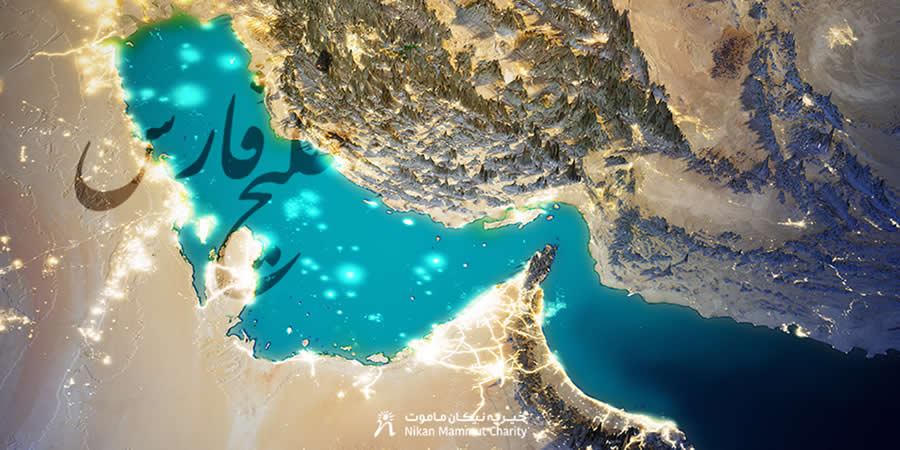
A Short History of National Persian Gulf Day
The idea of naming a day for the Persian Gulf goes back to events of past decades. For many years, the name “Persian Gulf” was widely used in maps, documents, and international references.
Later, discussions and concerns about protecting the historical name of the Persian Gulf became more visible among researchers, cultural activists, and the public. In the early 2000s, public campaigns and cultural efforts helped bring more attention to this issue.
After several discussions and reviews, the date of April 30 was chosen because of its historical importance. It marks the day when Portuguese forces were expelled from the Strait of Hormuz and the Persian Gulf in the 17th century.
Since then, April 30 has been known in Iran as National Persian Gulf Day.
What Can We Do on National Persian Gulf Day?
Naming a special day is important. But what we do on that day is even more important.
National Persian Gulf Day can be more than a symbolic occasion. It can be a day for real action: protecting beaches, supporting marine life, learning about endangered species, and helping local communities.
Here are some simple but meaningful activities for this day.
Visit the Persian Gulf
If possible, visiting the Persian Gulf, its beaches, and its islands can be one of the best ways to understand its beauty and importance.
A trip to this region can help people learn more about coastal communities, marine life, local culture, and the natural environment. Seeing the Persian Gulf closely can make people feel more responsible for protecting it.
Join Beach Clean-Up Programs
If you live near the Persian Gulf, you can join local beach clean-up activities. Removing waste from beaches and islands is a simple but powerful way to protect marine life.
You can also talk to friends, family members, and especially children about keeping beaches clean. Coastal communities play a very important role in protecting the Persian Gulf.
Small actions, when done by many people, can create real change.
Shop with Purpose – Support a Family in Need
Learn About Endangered Marine Species
Another important activity on National Persian Gulf Day is learning about endangered species and how to protect them.
Many marine animals, including dolphins and other sea creatures, may get trapped near beaches or face danger because of pollution, fishing nets, habitat loss, and human activity. In many cases, they cannot survive without public awareness and timely help.
One of the organizations active in this field is Tarh-e Sarzamin Association, which has carried out educational programs for coastal communities with the support of Nikan Mammut Charity.
By joining such programs, people can learn how to protect marine life and become part of the solution.
The Story of the Smart and Curious Dolphins of the Persian Gulf
Dolphins are among the most intelligent marine mammals. They belong to the group of toothed whales and are known for their curiosity, playfulness, and social behavior.
The Persian Gulf humpback dolphin is a special type of dolphin that lives in the waters of the Persian Gulf. In recent years, this species has become endangered, and its population is limited.
But why are they called “humpback” dolphins?
These dolphins have a small hump under their dorsal fin, which makes them different from many other dolphin species. This feature gives them their name.
The Persian Gulf humpback dolphin usually lives in shallow coastal waters, often in depths of less than 25 meters. These dolphins stay within a specific geographical area and usually do not move far from their habitat. Their average lifespan is about 30 to 40 years.
Why Are Humpback Dolphins So Special?
Humpback dolphins are intelligent, social, and highly aware of their environment. Like many dolphins, they can communicate, cooperate, and learn from each other.
There are many examples of cooperation among dolphins. Sometimes, one or more dolphins help an injured dolphin or a mother giving birth by pushing her toward the surface so she can breathe.
There are also reports of dolphins helping people in danger in the water or protecting them from sharks.
Scientific studies show that dolphins can use tools and solve problems. Some dolphins use mud to trap fish. Some help fishermen find groups of fish. Others use sea sponges to protect themselves while searching for food near coral areas.
Dolphins also show signs of self-awareness, learning, play, and strong social bonds. They may even use special sounds, like unique whistles, to recognize and call each other.
These abilities make dolphins one of the most fascinating animals in the world.
Nikan Mammut Charity and the Protection of Persian Gulf Humpback Dolphins
The Persian Gulf humpback dolphin is one of the endangered species recognized by environmental experts. If serious protection efforts are not made, this beautiful marine mammal may face the risk of disappearing forever.
This concern led Nikan Mammut Charity and its supporters to take action.
In 2021, the Persian Gulf Humpback Dolphin Conservation Project was carried out with the cooperation of:
- Nikan Mammut Charity
- Shiva Manufacturing Company, producer of Shiba products
- Tarh-e Sarzamin Environmental Association
The goal of this project was to raise public awareness about the endangered Persian Gulf humpback dolphin and to support conservation and education programs.
A Creative Campaign for Dolphin Conservation
As part of this campaign, Shiva Company created the world’s largest gummy candy in the shape of a dolphin. This giant gummy weighed more than 1,200 kilograms and was officially registered in the Guinness World Records.
The idea behind this creative action was simple but powerful: to attract public attention to the endangered humpback dolphin and encourage people to support its protection.
After the Guinness registration, the giant gummy dolphin was divided into 13,472 collectible gummy packages and given to Nikan Mammut Charity.
Nikan used the income from selling these packages to support the conservation of the Persian Gulf humpback dolphin. The funds were given to Tarh-e Sarzamin Association for environmental education and protection activities.
Education for Children and Coastal Communities
One of the most important parts of this project was education.
Tarh-e Sarzamin Association first carried out habitat monitoring programs for the humpback dolphin. As a result of this work, a book about the Persian Gulf humpback dolphin was published under the title “Humpback Dolphin.”
Also, with the support of the campaign’s income, an educational animation was produced. This animation has been used to teach children and adults about the humpback dolphin, its habitat, the dangers it faces, and the ways people can help protect it.
Education is one of the most effective ways to protect the environment. When children and local communities understand the value of a species, they become stronger protectors of nature.
Protecting Nature Means Protecting Families
For Nikan Mammut Charity, environmental protection is connected to family support.
A healthy sea means healthier coastal communities. It means better livelihoods, safer food resources, stronger local economies, and a better future for children.
This is why Nikan’s work is not limited to food aid, medical support, housing, education, or crisis relief. Nikan also cares about the environment because the environment affects every part of family life.
Protecting the Persian Gulf and its rare species is part of building a better and more sustainable future.
A Shared Responsibility
Projects like the Persian Gulf humpback dolphin conservation campaign show that cooperation can create meaningful change.
When charities, companies, environmental organizations, local communities, and families work together, they can protect valuable natural resources and endangered species.
The Persian Gulf is not only a body of water. It is a living ecosystem. It is home to many plants, animals, and communities. Its health is connected to the lives of many people.
On National Persian Gulf Day, we can all take a moment to think about this precious ecosystem and our role in protecting it.
How much do you know about the Persian Gulf and its marine life?
What can you do to help protect its environment and endangered species?
Share your thoughts with us.
Comments
What is you comment about this article?