International Day of the Midwife
Everything You Need to Know About International Day of the Midwife
International Day of the Midwife is a valuable opportunity to appreciate those who safeguard the health of pregnant mothers and newborns; professionals who compassionately accompany and support mothers from before pregnancy through the birth of their baby, helping prevent physical and emotional harm and creating a lasting, sweet memory of natural childbirth.
Midwifery is an experience full of wonder and spirituality; a moment-by-moment presence beside mothers as they welcome a heavenly gift, made sweeter and easier with the support of midwives. Without the education, guidance, and counseling provided by midwives, pregnancy may be accompanied by many concerns and challenges. Challenges that midwives understand well and can help prevent through timely and appropriate action.
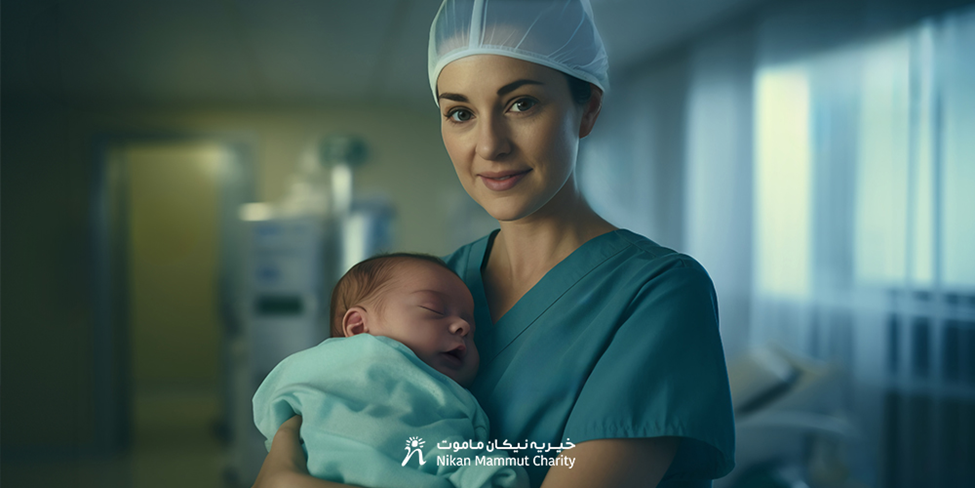
In this article, we examine International Day of the Midwife, the importance of this occasion, the history of midwifery in Iran, and the role of midwives throughout the journey from pregnancy to birth.
What Day Is International Day of the Midwife?
The World Health Organization and the International Confederation of Midwives have designated May 5, equivalent to Ordibehesht 15 in the Iranian calendar, as International Day of the Midwife. This important day was first proposed in 1980 and officially introduced worldwide in 1992 to draw public attention—especially that of governments—to the importance of the midwifery profession.
The key role of midwives in reducing maternal and newborn mortality, promoting safe and natural childbirth, and improving women’s health is undeniable. Each year, International Day of the Midwife reminds communities and governments of this important truth and ensures that the significant role of midwives in protecting and improving public health is not forgotten.
Pregnant mothers are experiencing one of the most special periods of their lives, and for this reason, they need to pay more attention than ever to their physical and emotional health. Midwives accompany them throughout this journey and help them pass through the months of pregnancy with less worry and anxiety, while also reducing the risk of postpartum depression.

The Theme of International Day of the Midwife 2026
The International Confederation of Midwives (ICM) has announced the theme “One Million More Midwives” for International Day of 2026. The aim of this theme is to deliver an important message to the world: There is a severe global shortage of midwives, and to meet the needs of communities in this field, around one million new midwives must enter the profession.
The shortage of one million midwives worldwide is a deep and serious challenge. If it is not addressed in time, it may soon turn into an unsolvable crisis affecting the health of a wide range of women.
Why Was the Theme “One Million More Midwives” Chosen?
* Urgent support for the midwifery profession: Encouraging policymakers to invest extensively in the education and retention of midwifery professionals.
* Prevention is better than treatment: If one million more midwives enter the workforce, 67% of maternal deaths, 64% of newborn deaths, and 65% of stillbirths could be prevented each year.
* Equal access: By increasing the number of midwives, the quality of midwifery services in deprived and remote areas can improve, helping achieve social justice in this field.
* Expanded midwifery services: Increasing the workforce in this profession not only improves the quality of services provided to pregnant mothers and newborns but also enhances sexual and reproductive health in society and helps reduce women’s health issues.
The History of Midwifery Education in Iran
The first School of Midwifery was established in 1298 in the Iranian calendar at Tehran Women’s Hospital to teach the principles of midwifery to 10 students. Later, in 1308, the Higher School of Midwifery officially began operating as one of the branches of the School of Medicine. Graduates of this midwifery program received a degree equivalent to a bachelor’s degree.
During the Qajar era, medical schools relied on ancient medical texts and traditional methods of teaching. With the arrival of modern medical schools in the early Pahlavi period, these traditional schools gradually gave way to new educational structures.
The University of Tehran was established in 1313. After the Faculty of Medicine began operating at the university, the Women’s Hospital joined it. By 1331, more than 460 students had graduated in midwifery from this school.
After medical education was transferred to the Ministry of Health in 1365, faculties of nursing and midwifery were established. From 1368 onward, by admitting students, these faculties began training specialists in this field. These developments marked an important step toward modern and specialized education in paramedical fields.
The Importance of Midwives in Protecting Public Health
Many people are not familiar with the wide range of services provided by midwives and imagine that their profession is limited to childbirth. Their duties and responsibilities are extensive.

* Pregnancy care: Counseling and educating pregnant mothers to protect the health of the mother and fetus, performing regular examinations, prescribing and interpreting tests, managing high-risk pregnancies, teaching essential techniques for an easier birth, and more.
* Care during childbirth: Monitoring the process of natural childbirth, offering different methods to reduce labor pain, assisting with delivery and the birth of the baby, managing acute complications related to natural childbirth, and more.
* Postpartum care: Monitoring the mother’s physical and emotional condition to help prevent postpartum depression, checking the health of the newborn, teaching breastfeeding to the mother, and more.
* Sexual and reproductive health care: Performing cervical health screening tests such as Pap smears, providing family planning counseling, educating women on the prevention and treatment of sexually transmitted diseases, guiding women to improve their health throughout different stages of life from puberty to menopause, and more.
How Can We Celebrate International Day of the Midwife?
* Raising awareness through social media: Through posts or stories on social media platforms and messaging apps, you can congratulate the midwifery community and raise awareness about this important occasion and the value of the midwifery profession.
* Appreciation and gratitude: Healthcare centers and hospitals are encouraged to show their support and appreciation for midwives by organizing celebrations, meetings, or conferences, giving them hope and motivation. Families, relatives, and friends of midwives can also thank them for their efforts with gifts, flowers, or greeting cards. Sometimes, even a simple congratulatory message for Midwife’s Day can ease their fatigue.
* Social support: On Midwife’s Day, officials and governments are encouraged to pay special attention to the concerns and challenges of this group and to plan and actively work toward addressing them.
Nikan Mammut Charity: Supporting Iranian Midwives to Improve Public Health
Nikan Mammut Charity operates in seven main areas to provide comprehensive support for the needs of underprivileged families. One of the charity’s key areas of support is helping with the medical treatment of underprivileged patients and improving the healthcare services available to them, so that no one is left without effective and timely treatment due to financial hardship.
Nikan Mammut Charity stands beside midwives and other healthcare professionals by supporting underprivileged pregnant women. Covering medical expenses, purchasing medication, paying for doctor visits, pregnancy tests, and ultrasounds are among the actions taken by the organization to reduce harm to pregnant mothers and improve the health of both mothers and newborns.
All members of society, together and through unity and empathy, can help build a safer and healthier world. No single force can create a safe and healthy society alone. People of all professions, ages, genders, and social backgrounds must work alongside governments, private and non-private organizations, and charities to meet the needs of vulnerable and at-risk groups.
One of the other charitable activities of the Nikan Mammut Charity is supporting underprivileged students in midwifery and other paramedical and medical fields. The second branch of this foundation includes academic and educational support for students. In this regard, scholarships are awarded to needy students of midwifery and other fields to help them with university tuition, dormitory, and other educational expenses, enabling them to continue their higher education. Each of these midwifery students, by continuing their education, can one day improve the health and well-being of the community, a community that seriously faces a shortage of midwifery personnel.
Nikan Mammut Charity actively works to promote social justice in the field of treatment and healthcare. In this regard, it invites all volunteers who wish to help to act. Simply complete the volunteer form to join the volunteers of Nikan Charity. To provide financial support, you can also fill out the sponsorship form and stand beside Nikan Mammut Charity.
International Day of the Midwife is celebrated on May 5th to honor the incredible work of midwives worldwide. For more information about events and how you can participate, please Contact Us.
Comments
What is you comment about this article?