International Cancer Day: A Day of Awareness, Hope, and Solidarity
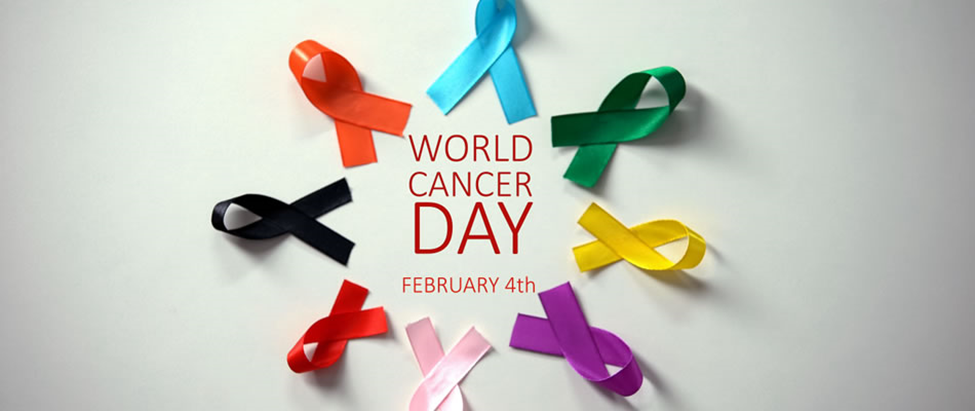
Cancer is a word that is very scary for everyone and reminds us of difficult and long battles for health. This disease directly and indirectly affects our lives. Therefore, February 4th is named International Cancer Day, as a chance to promote awareness, motivation, unity, and thoughtfulness in confronting this disease.
International Cancer Day was established by the UICC (Union for International Cancer Control) in 2008 and has long-term goals to decrease the death toll and incidence rate of cancer and to make people aware of different kinds of cancer and the newest and best ways of healing it.
Cancer in Iran, a National Challenge
Before starting to talk about the history of International Cancer Day, we had better take a look at the history of this disease in Iran—a disease which brings not only significant psychological and physical pain but also high costs.
Cancer in Iran is a serious health, social, and economic issue that not only affects people’s health but also social and economic aspects of their lives. In recent years, the rate of cancer has increased significantly and become a challenge for the health and treatment system of the country.
According to official statistics, cancer is one of the main causes of death in Iran. Ministry of Health statistics show that cancer accounts for 16% of deaths in the country. This statistic evidently shows the high rate of this disease in Iranian society and causes high economic pressure on the health system of the country. Iran, like many other developing countries, is facing serious challenges to decrease and manage the rate of this disease.
One of the main challenges in encountering this disease is the high cost of treatment. Every year, 4–5 trillion tomans are spent on treating this disease. This amount clearly shows the high cost for the health system of the country as well as the families who have members with cancer.

Based on current statistics, 68 percent of families who have members with cancer are encountering serious financial issues, and many of them have to sell their assets or take loans to cover the costs of treatment. For this reason, the cost of treatment not only affects the health status of the patients but also the economic and social lives of the families.
Meanwhile, it is predicted that in the coming two decades, the cancer toll will increase severely. Based on the statistics, the number of cancer patients will increase from 160 thousand to 350 thousand people per year! This is a very high increase rate in the country that is equivalent to double the average of the disease toll in comparison to the rest of the world’s statistics on the cancer rate. These social and health changes can put a lot of pressure on the health system of the country.

Cancer affects the quality of life of diseased persons. Many cancer patients in the advanced stages of their disease lose the ability to perform their everyday life activities. This can affect their families’ economic situation, and in some cases, these economic issues create psychological and mental issues.
Therefore, the government and health system should implement some preventive measures to stop the development of cancer, increase society’s awareness, and improve new treatment methods. In addition to these actions, the government should expand the access of deprived areas to health and medical programs and therefore decrease the rate of cancer. These actions can decrease the financial burden of cancer and thus improve the quality of life of patients and their families.
Overall, the cancer challenge in Iran needs special attention from the health and social systems. With regard to the increasing rate of cancer and the high costs of treatment, in addition to early diagnosis and support for families of cancer patients, national policies and plans should be implemented to decrease the negative effects of this disease at personal, social, and economic levels.
International Cancer Day History
World Cancer Day is one of the most important days in the international health calendar to increase familiarity and knowledge of this disease and preventive ways for decreasing the rate of cancer, as well as to increase the quality of life and support cancer patients.
February 4th, World Cancer Day, is observed by governments, organizations, hospitals, research institutes, and various individuals. On this day, not only social health systems try to increase knowledge about this disease, but they also attempt to draw attention to the needs of cancer patients and gather financial support for research and health policies.
Foundation of the Union for International Cancer Control and World Cancer Day
The Union for International Cancer Control was created in 1993 as an advanced and forward-thinking organization to encounter cancer at an international level. The main goal of this organization is to totally eradicate cancer and improve the health quality of cancer patients worldwide on World Cancer Day.
This union, together with different international health and scientific organizations, performs various procedures to decrease the burden of cancer worldwide. One of the main initiatives of this union was to introduce World Cancer Day on the first day of its foundation. The first World Cancer Day was held in 1993, and it created a very valuable chance to engage the attention of the world to this disease and to encourage effective procedures against it.
In 2000, the International Union Against Cancer summit was held in Paris. This conference was a turning point in encountering cancer in the world. This conference was attended by more than 200 international organizations from around the world, and some very important decisions were made.
One of the most significant results of this conference was an official document named the “Charter of Paris Against Cancer,” which consisted of ten very important articles to encounter cancer in the world. This Charter is a plan for the prevention, treatment, and early diagnosis of cancer worldwide.
The 10th article of this Charter is very important. Based on this article, February 4th is named World Cancer Day. This decision drew international attention to the importance of an urgent fight against cancer in the world. World Cancer Day is a symbolic day to increase attention and awareness about cancer and encourage a better lifestyle to prevent cancer, as well as to support cancer patients in their fight against this disease. The Goal of International Cancer Day
This day is held to cover different goals, some of them mentioned below:
1. Creating Universal Awareness
One of the main goals of this day is increasing awareness and knowledge about the dangers of cancer, its signs, and ways to prevent it and get an early diagnosis. This encourages the society to get regular check-ups and observe a healthy lifestyle to prevent this disease.
2. Supporting Cancer Patients
This day creates a chance for international unity to support cancer patients and their families. Psychological, social, and financial support is an important goal of this day. One of the main supporters of this cause is the Nikan Mammut Charity Foundation.
3. Providing Financial Support
Many of the organizations provide financial support for scientific research to help develop new ways of cure and treatment and create better medical and health facilities for the patients.
4. Supporting Scientific Research
International Cancer Day is creating a chance for the financial support of the scientific researchers in cancer and to help researchers receive necessary financial support to continue their research.
International Cancer Day’s Role in Creating Social Awareness
From the first day of its creation, this day became one of the most important days worldwide to engage society, governments, international organizations, and scientific institutes’ attention in cancer. This day is respected and held in 100 countries worldwide. Thousands of organizations and foundations attend different programs related to Cancer Day, such as conferences, media movements, sports competitions, and more, to create awareness and to engage the attention of all societies to support cancer patients.
In many countries of the world, this day is known as a national or international day, and several programs are held, such as lightings in famous monuments with the color lights related to cancer, delivering posters and brochures about cancer, and also advertising movements for creating a better lifestyle and changing unhealthy behaviors that can cause cancer.
Therefore, this day is not only a symbolic day but also a universal crusade to make people aware and to gather financial support for scientific research to fight against this disease at an international level. By passing every year, this day is becoming more important as a turning point to fight against cancer.
What Is Cancer?
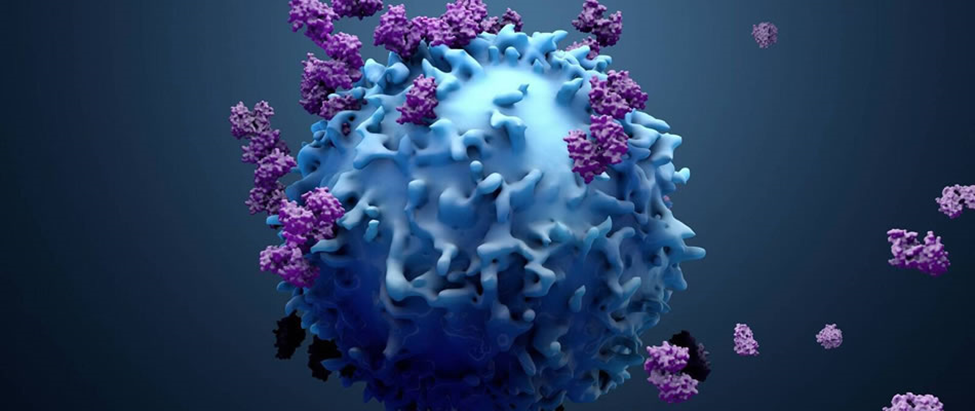
Cancer is a complicated disease that happens when the body cells start to grow and proliferate new cells in an abnormal way. These abnormal cells are not able to control their growth and proliferation and continue to proliferate and produce new cells, thus making a tumor of cells. Cancer can start in any part of the body and advance to other parts of the body. This disease is one of the most dangerous diseases known because of the ability to spread to other organs and parts of the body.
One of the main diagnostics of the cancer is its ability to spread to other parts of the body through the blood or lymphatic system of the body. When one of the abnormal cancer cells separates from its main tumor and advances through the blood or lymphatic system to other organs and parts of the body, it can produce new tumors in those parts. This characteristic causes the cancer to be so painful, dangerous, and at the same time uncurable in its advanced stages.
Different Varieties of Cancer
Cancer is divided into different kinds based on the kind of cancer cells and tissues of the body that it is produced from. The most known varieties of cancer are the following:
Carcinoma
Carcinoma is one of the most widespread kinds of cancer that affects epithelium or skin tissues. This type of cancer starts normally in the covering tissues of skin and some other organs like lungs, breasts, prostate, intestines, and more. For example:
- Lung cancer, which is one of the kinds of carcinoma, can advance to the liver and brain.
- Colon cancer can spread to the breasts and is also one of the varieties of carcinoma.
- Melanoma, which is skin cancer, is one of the varieties of carcinoma that starts from skin tissues and cells.
Sarcoma
Sarcoma is one of the varieties of cancer that starts from connective tissues like bones, cartilages, muscles, and other connective tissues. This kind of cancer is not so common, like carcinoma, and mostly affects young and middle-aged people.
- Bone sarcoma, like osteosarcoma, is one of the varieties of sarcoma that starts from bones.
- Muscle sarcoma that starts from muscles is the other type of this kind of cancer.
Lukemia
Lukemia is a kind of cancer that starts from blood and bone marrow. This type of cancer causes the white cells of the body to proliferate abnormally and thus prohibits them from performing their normal action. Lukemia’s speed of spreading is really fast and can attack different parts of the body. Leukemia may appear differently as abnormal lymphatic leukemia or abnormal myeloid leukemia. This kind of cancer mostly affects kids and adults.
Lymphoma or Myeloma
These two kinds of cancer attack the immune system of the body. Lymphoma attacks lymph nodes and the immune system, and myeloma attacks plasma cells of the bones. Hotchkin lymphomas are varieties of lymphoma that start from lymph nodes and the immune system. Multiple myeloma starts from plasma cells of the bones and can demolish bone cells and also decrease the immune system’s ability.
Spreading Cancer in the Body from a Cell to Another
Cancer can attack the body in different areas. At first it will be started in an organ of the body as a tumor. Then in advanced stages it can spread to the other parts of the body through the blood or lymph system. This is really dangerous because the new cancer tumors can attach to organs like the liver, lungs, or bones.
Naming cancer based on the type
Cancer will be named based on the area of origin. For example, if the cancer starts in the lungs, it will be named “lung cancer.” Even if it spreads to the other parts of the body, like the liver. Therefore, the cancer will be named mostly based on the center of its start. This method of naming will help precise treatment.
Cancer is a really complex disease and can be started in any part or organ of the body. Because of its type, it is really important that society be informed of its dangers, kind of treatment, and also prevention. The early diagnosis and new methods of treatment create a good chance and fewer side effects.
Prevention Is Better than Treatment: How Can We Be Safe from Cancer?
Although cancer is a complex and very dangerous disease, it can be prevented by a healthy lifestyle and being aware of the causes of cancer. Observing the precautions and being aware of the dangers and causes of this disease can be helpful in prevention. Below we will name the best methods of prevention.
- Healthy Nutrition
One of the most important ways of prevention is healthy nutrition. Nutrition has a very important role in creating an immune system in the body and also in decreasing the inflammation and also a total welfare and healthy body. These elements can prevent the affection of cancer. It is being advised to consider a nutrition full of antioxidants, fiber, and vitamins.
- Eating Fruits and Vegetables
Fruits and vegetables are full of antioxidants and nutrients, including minerals and vitamins, that are effective in the prevention of colon, breast, lung, and stomach cancer. It is being advised that using fruits and vegetables, especially the colorful vegetables and fruits like strawberries, oranges, and spinach that are full of vitamins A and C, can be useful.
- Eating Low-Fat Food
High-fat food and especially triglyceride food can increase the possibility of being affected by colon and breast cancers. Therefore, using low-fat food and mostly good fat like omega-3 found in the fish and also healthy fats like olive oil and avocado is useful.
- Using Fiber
Fiber found in the vegetables, fruits, and grains can decrease the risk of colon cancer. Therefore, it is being advised to use foods high in fiber.
- Being Active
Being active can help decrease the danger of cancer really much. Being active and having regular activities not only can make for a better and healthier weight but also can strengthen the body and well-being and help prevent cancer or any other disease.
- Losing Weight
Being fat is one of the elements of affecting cancer of the colon, breasts, and esophagus. Regular activity and sport can help in losing weight and decreasing the risk of cancer.
- Performing Aerobic Exercise
Activities such as running, swimming, cycling, and walking can help strengthen the heart and lungs and also reduce the risk of cancer. At least 30 minutes of moderate to vigorous physical activity a day can effectively reduce the risk of various cancers.
- Avoiding Tobacco and Alcohol
Tobacco and alcohol consumption are major factors in the development of many cancers, including lung, mouth, throat, esophagus, liver, and pancreas cancer. Smoking is one of the most important factors for developing lung cancer. This habit not only damages the lungs but can also cause cancer in the bladder, pancreas, mouth, etc. Quitting smoking and reducing alcohol consumption, even at an older age, can significantly reduce the risk of cancer.
- Avoiding Sun Exposure
Exposing yourself to the sun for long periods, without proper protection, can lead to skin damage and eventually skin cancer. Using a sunscreen with a high sun protection factor, wearing protective clothing, and avoiding sun exposure during peak hours can reduce the risk of skin cancer. Sunscreen should be reapplied every two hours, especially when in water or damp areas.
- Avoiding Solar Machines
Using solar and tanning machines can increase the risk of skin cancer, especially melanoma. Therefore, it is recommended that you avoid using these devices as much as possible.
- Vaccination
Vaccination against some viruses can help prevent certain cancers. Some viruses, such as human papillomavirus (HPV) and hepatitis B virus, can cause cancer.
- Vaccination against HPV
HPV is known to be a major cause of cervical, anal, head and neck, and genital cancers. The HPV vaccine is especially recommended for adolescents and young adults to reduce the risk of these cancers.
- Vaccination against Hepatitis B
The hepatitis B virus can lead to diseases such as liver cancer. Vaccination against this virus, especially in children and people at risk, can prevent liver cancer.
By following the principles of prevention and adopting a healthy lifestyle, the risk of developing many types of cancer can be reduced. Proper nutrition, regular physical activity, avoiding tobacco and alcohol, sun protection, and vaccination are among the effective ways to prevent this disease. In addition, public awareness and education about cancer and prevention methods can play a key role in reducing the burden of this disease in societies.
Psychological and Social Effects of Cancer
1. Psychological Effects of Cancer
Having cancer, especially in the early stages, can have a significant impact on a person’s mental health. These effects can lead to deep negative emotions, fears, and anxieties, some of which may manifest as:
- Depression
One of the most common psychological effects of cancer is depression. Many patients experience psychological shock after receiving a cancer diagnosis. Feelings of helplessness and loss of control over their lives can lead to depression. This depression may be caused by several factors, including fear of death, being worried about the future, and the consequences of long-term treatments. In addition, accepting that a person may reach an advanced stage of the disease and lose their health and independence can lead to deep feelings of depression and hopelessness.
- Anxiety
Anxiety is another common psychological consequence of cancer. Complex and unpredictable treatments, such as chemotherapy, radiation therapy, and surgery, can cause patients to experience significant anxiety. Worrying about treatment’s side effects, test results, or even financial concerns related to treatment can increase anxiety levels. Patients may also experience increased anxiety due to fear of metastasis, inability to perform daily tasks, and concerns about the future.
- Low Self-Confidence
Cancer, especially when intensive treatments such as chemotherapy or radiation therapy are required, can cause serious changes in a person’s appearance. Hair loss, weight loss, changes in skin color, and general weakness are among the complications that may lead to a decrease of self-confidence in patients. Changes in appearance, especially for people who pay great attention to their appearance, can be a source of concern and shame and, in some cases, lead to isolation and a decrease in social connections.
2. Social Effects of Cancer
Cancer not only affects the psychological aspects of the individuals but also creates significant social problems for patients and their families. These problems can affect the individuals at different stages of their lives and challenge their social, economic, and even professional relationships.
- Social Isolation
Cancer patients may avoid social interactions and contacts due to feelings of embarrassment about their appearance or the perception that others are unable to understand their condition. This social isolation can increase feelings of loneliness and depression. Many patients, especially in the early stages of treatment, avoid meeting friends and acquaintances because they feel they are not understood and their concerns are not taken seriously by others.
- Financial Burden
The costs of cancer treatment are very high, and this financial burden can put a huge tension on the families of patients. Long-term treatments, expensive medications, and the need for specialized medical care can bring a huge financial tension for families, especially in countries with ineffective or incomplete health insurance. In addition to the physical and psychological problems of the patient, these financial burdens may affect the social and economic lives of families and add to their anxiety.
- Employment Problems
Cancer may prevent patients from working or maybe reduce their working hours. Physical problems and fatigue from treatments, or repeated hospital visits for treatment, may lead to job loss or a decrease in income. These changes are not only a source of stress but also create new economic concerns, especially for those who depend on the family for financial support.
Suggested Strategies to Reduce Social and Psychological Effects
To deal with the social and psychological impacts of cancer, there are various methods and strategies that can help patients and their families cope with these challenges in the best possible way. International Cancer Day is a good opportunity to take a look at these effective strategies.
- Support Groups
One of the best ways to reduce social isolation and increase hope is to join a support group. These groups are usually made up of people with cancer who have had similar experiences. Connecting with others with similar experiences can provide a sense of empathy and emotional support and help patients cope with psychological and social difficulties. In these groups, people can share experiences, advice, and strategies for dealing with common problems.
- Psychological Counseling
Providing counseling and psychotherapy services is very important for managing anxiety, depression, and other psychological problems caused by cancer. Individual or group counseling can help patients effectively cope with their negative emotions and learn strategies to cope with stress and anxiety. Also, the use of psychotherapy can help boost patients’ self-confidence and help them deal positively with changes in their appearance.
- Educating the Families
Educating families about the disease process and appropriate ways to support the patients can provide a more positive environment for them. Families can help reduce patient stress and anxiety by learning how to care for the patient, providing appropriate emotional space, and offering spiritual support. Educating the families can also help prevent communication problems and family anxieties.
- Charity Programs
Financial support through charity programs can greatly help reduce the financial burden on patients and their families. Many charity organizations and social institutions are working to reduce the costs of treatment and care for patients. Also, these programs can help provide expensive medications and special care for these patients.
The social and psychological effects of cancer, in addition to its physical challenges, can be equally difficult and complex for patients and families. By using supportive methods, psychological counseling, and educational and charity programs, you can help reduce these effects and help improve the quality of life of cancer patients.
The History of Cancer Treatment
Cancer treatment is one of the greatest scientific and medical challenges in human history. Since ancient times, mankind has been searching for ways to treat this terrible disease. Although recently we have achieved tremendous developments in cancer treatment, the history of cancer treatment reflects the relentless efforts that have been made to fight against cancer for thousands of years.
Ancient Times: The First Evidence of Cancer Treatment
In ancient times, medical knowledge was naturally limited to basic information and experiential evidence, but even in ancient times there is evidence of humans’ attempts to treat cancer.
- Ancient Egypt: The first evidence of cancer is found in Egyptian medical texts. A text known as the Edwin Smith Papyrus refers to tumors and cancer-like symptoms. These texts show that Egyptian doctors attempted to remove cancer tumors by surgery, but cancer was generally considered an incurable disease at that time. As a result, treatment methods were limited to minor procedures such as simple surgeries and the use of herbal remedies.
- Ancient Greece: Hippocrates, a famous Greek physician, first introduced the concept of “cancer.” He saw cancer as the result of an imbalance in the body’s fluids. Hippocrates used the word “carcinoses,” meaning “crab,” to describe the disease, because tumors sometimes resembled crabs. The treatments he suggested included basic surgery and the use of herbal remedies. However, these treatments were generally ineffective and limited to relieving symptoms.
- Ancient Rome: The Roman physician Galen, who followed the views of Hippocrates, believed that cancer was incurable in its advanced stages. He explained cancer largely based on temperamental theories related to the balance of body fluids. Galen also believed that the main treatments for cancer were surgery and herbal remedies, although medical knowledge about cancer was very limited at the time.
Middle Ages: Ignoring Medical Science and Religious Treatments
In the Middle Ages, medical science was influenced by religion and religious beliefs; cancer was considered the result of personal sins or divine wrath, and religious treatments were mainly recommended. During this period, no significant progress was made in the treatment of cancer, and instead of scientific treatments, prayer and religious rituals were recognized as the main methods of treatment. As a result, most cancer patients died either naturally or from lack of scientific treatments.
Modern Era: Scientific Advances and the Emergence of New Treatment Methods
With the advancement of medical science in the 17th and 18th centuries, cancer treatment entered a new phase.
18th and 19th centuries: During this era, with scientific and medical advances, surgery emerged as one of the main methods of treating cancer. Doctors began to remove tumors from patients’ bodies. However, the lack of anesthesia facilities and disinfection technology meant that many surgeries were associated with the risk of infection and death. Surgical techniques during this era were still in their infancy, and the success rate of these surgeries was very low.
· 1890s: The discovery of X-rays by Wilhelm Roentgen and the discovery of radium by Marie Curie marked a turning point in cancer treatment. The use of radiation therapy, a new method at the time, made it possible to treat tumors without the need for surgery. Radiation therapy has since become a major cancer treatment. It was particularly effective in treating tumors deep within the body that were difficult to reach by surgery.
20th Century: A Revolution in Cancer Treatment
In the 20th century, especially in the 1940s and 1950s, there was a major revolution in cancer treatment.
1940s: The discovery of chemotherapeutic drugs such as nitrogen mustard, which has since been recognized as one of the first chemotherapeutic drugs, ushered in a new era in cancer treatment. Chemotherapy was developed as a systematic treatment to destroy cancer cells. These drugs were designed to stop the growth of cancer cells, giving patients, especially those with advanced disease, a better chance of recovery.
1970s: Significant advances in surgery, radiation therapy, and chemotherapy led to an increase in the rate of curing cancer patients. This decade is known as the beginning of combination therapies, which used surgery, chemotherapy, and radiation therapy together to achieve better results in the treatment of cancer.
1990s: Targeted therapies were introduced in this decade. These methods are designed to target specific proteins and genes in cancer cells. These therapies not only directly target cancer cells but also help prevent their growth and spread; they are highly precise and cause less damage to healthy cells in the body.
21st Century: New and Personalized Treatments
The 21st century has seen significant advances in medical science and cancer treatment
- Immunotherapy: One of the most important advances in cancer treatment in this century is immunotherapy. In this method, the body’s immune system is strengthened so that it can recognize and attack cancer cells. Drugs such as immune checkpoint inhibitors, which help the immune system, play an important role in the treatment of various cancers.
- Gene therapy: The use of advanced gene editing technologies such as CRISPR has been proposed as a new method for treating cancer. These methods directly target the genetic changes of cancer cells and are able to correct the genetic abnormalities that have led to cancer.
- Artificial intelligence and machine learning: In the current era, artificial intelligence (AI) and machine learning have helped in faster and more accurate diagnosis of cancer. These technologies can analyze medical data and detect cancer at an early stage. In addition, artificial intelligence can help in personalizing treatments to determine the best treatment solution for each patient based on their genetic characteristics.
- Today, cancer treatment involves a combination of advanced methods such as surgery, chemotherapy, radiation therapy, targeted therapies, and immunotherapy. Although we have not yet achieved a definitive cure for all types of cancer, scientists are constantly working to develop new treatment methods. Recent advances in gene therapy, immunotherapy, and artificial intelligence promise a bright future for cancer treatment and improving the quality of life of cancer patients.
Nikan Mammut Charity Foundation and Its Support in the Fight Against Cancer
As one of the major supporters of families, Nikan Mammut Charity Foundation has prioritized treating cancer patients. Among the families covered by Nikan, there are many whose condition (cancer disease) has caused them great financial and psychological problems. Helping these families and helping to provide for their lives, employment, and treatment needs has always been a focus of Nikan Charity.
Nikan Mammut Charity Foundation supports low-income families in seven main areas, one of which is medical treatment and support:
Nikan Mammut Charity Foundation supports low-income families in seven main areas, one of which is medical treatment and support:
- Providing the necessities of life
- Medical affairs, medicine, and treatment
- Educational and training support
- Employment opportunities
- Provide housing opportunities
- Welfare and administration
- Providing services in times of crisis
So that they can continue to fight with more hope and strength.
Stories of patients who recovered with the support of Nikan Mammut Charity Foundation (names mentioned are not real).
1. Miss Maryam’s story: After months of pain and worry, Maryam, 42, a mother of two teenagers, found out that she had breast cancer. Always known as a devoted mother and loving wife, she now had to fight her illness. The exhausting chemotherapy and physical changes, especially her hair loss, made her a fragile person, but every day she looked at her family with a smile and promised to fight for life with all her strength. Maryam was able to overcome this hard situation with the help of the spiritual support of her family and friends, and now she gives hope not only to herself but also to other women with the same stories of cancer.
2. Mr. Saeed’s story: Mr. Saeed was 58 years old and had been smoking for a long time. Years ago, doctors had warned him that this habit could lead to lung cancer, but he had always ignored it. Until one day, due to shortness of breath and frequent coughing, he went to the hospital and was diagnosed with lung cancer. Saeed was in shock at first, but with the support of his family and colleagues, he decided to continue his treatment with a strong spirit. He recovered after undergoing chemotherapy and radiation therapy, but he still believes that nothing in life is more important than health and family.
3. Mr. Ali’s story: Ali, a 30-year-old energetic young man, was always interested in sports and social activities. But one day, he felt extremely weak and tired, and after tests, doctors discovered that he had leukemia. Ali, who always looked at life with enthusiasm, had to fight for it this time. Complex treatments and a bone marrow transplant were a difficult path, but he continued to fight every day with hope for the future. Now, after years of treatment and returning to daily life, he encourages not only himself but also others about the importance of early diagnosis and precise treatment.
4. Miss Fatima’s story: Fatima is a 47-year-old woman and a mother of three. She had felt something was wrong with her body for a long time, but she never thought that she might have ovarian cancer. When the doctor gave her the definitive diagnosis of cancer, she was shocked, but since she has always been a strong person, she decided to think not only about treatment, but also about improving her quality of life. Fatima, with the support of her husband and children, underwent chemotherapy courses and, along with that, paid special attention to exercise and healthy nutrition. Fatima has now become a symbol of hope and efforts to fight against cancer, not only in her family but also in society.
5. Mr. Mustafa’s story: Mr. Mustafa, a 45-year-old civil engineer, was always very active and spent a lot of time outside in the sun. After a while, he noticed that a spot on his skin had changed and gotten bigger in an unusual way. He went to the doctor and found out that he had skin cancer. Although Mustafa was initially very scared and anxious, because he always trusted in the progress of science and medicine, he decided to continue with the treatment. After surgery and additional treatments, Mustafa managed to recover, and the experience made him a stronger person than before. Now he warns others about the dangers of sunlight and the importance of skin care.
How Can We Help?
1. Increasing Awareness
Cancer is one of the biggest health challenges in the world today, and one of the most important steps in combating it is raising awareness. By sharing accurate information about prevention, early symptoms, and early detection methods, we can help prevent the disease.
Many serious injuries can be prevented when people know how to take care of themselves, how to eat a healthy diet, and what factors can increase their risk of developing cancer. We can help spread and increase awareness in society by holding workshops, spreading information on social media, or even talking to people around us.
2. Financial Support
Cancer patients often face a heavy financial burden that can discourage them from pursuing treatment and recovery. The costs of treatment, chemotherapy drugs, tests, surgeries, and other services can create a great burden for patients and their families.
But we can play an important role. By donating, even small amounts, we can help ease this burden and give patients hope that they are not alone in their journey of treatment. This can be done through charities, fundraising campaigns, or directly for patients in need. Empathy and financial support can be a light in the dark days of patients’ lives. As mentioned earlier, the Nikan Mammut Charity Foundation is one of the reputable and old institutions that has been supporting underprivileged families in various fields for years; one of these branches is medical treatment and support. If you would like to join us on this journey, complete the Become a Supporter form; Nikan is you!
3. Empathy and companionship
Cancer is not just a physical illness; it has profound psychological and emotional impacts on patients and their families. Cancer patients often experience feelings of loneliness, fear, anxiety, and discouragement. In such situations, emotional support is the most important thing. By being there for patients, we show them that they are not alone on this difficult journey. A phone call, an encouraging message, or even a short visit can have a big impact on the patient’s mood.
Listening to them, understanding their feelings, and providing spiritual support can reassure them that they are fully supported by society. This empathy and companionship can keep the courage, motivation, and hope alive in the hearts of patients and make them stronger in facing this disease.
Ultimately, if we all join hands and actively participate in helping cancer patients, we can make a big difference in their lives and make the path to fight against this disease easier for them. Helping cancer patients is not only possible through big actions; even the smallest support can have a tremendous impact.
Hoping for a day when no family is affected by cancer and hope is the only word in hearts.
Contact us for help and more information.
Comments
What is you comment about this article?