Planting 13,000 Haloxylon Trees in Turan National Park to Protect the Asiatic Cheetah
- Haloxylon tree planting in Turan National Park
- The Haloxylon Tree: A Keystone Species of Iran’s Desert Ecosystems
- Benefits of Planting Haloxylon Trees in Turan National Park
- Nikan Mammut Charity’s Major Step Toward Asiatic Cheetah Habitat Restoration
- Join the Haloxylon Tree Planting Project in Turan National Park
In this article, we examine the objectives behind planting 13,000 Haloxylon trees in Turan National Park a large-scale environmental initiative implemented in cooperation with the Nikan Mammut Charity Foundation. The project aims to combat desertification, stabilize fragile desert ecosystems, and restore the natural habitat of the critically endangered Asiatic cheetah.
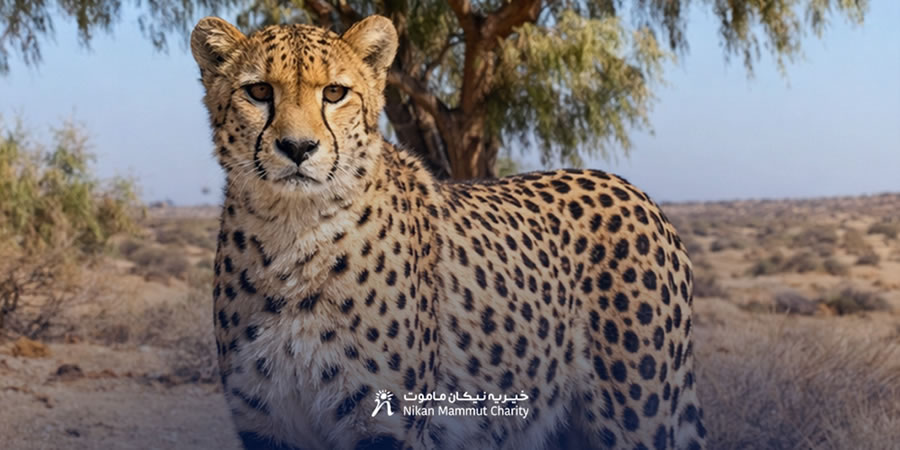
Haloxylon tree planting in Turan National Park
Turan National Park, located in Iran’s central desert plateau, is one of the most significant UNESCO Biosphere Reserves in the world. Covering more than 1.4 million hectares, it is recognized as the second-largest biosphere reserve globally and hosts exceptional biodiversity.
What makes Turan internationally important is that it is the last remaining natural habitat of the Asiatic cheetah, one of the world’s rarest big cats. Conservation experts consider Turan National Park the most critical stronghold for the survival of the Iranian cheetah population.
Once widely distributed across Central Asia, the Asiatic cheetah now survives only in Iran. According to documented records, the known population reached approximately 27 individuals in spring 2026. Severe threats such as:
- Habitat degradation
- Illegal hunting
- Decline in prey populations
- Road collisions
have pushed this iconic species to the brink of extinction.
Turan National Park is also home to other valuable wildlife species, including:
- Persian onager
- Pleske’s ground jay
- Jebeer gazelle
Protecting Turan means safeguarding Iran’s biodiversity and a globally significant desert ecosystem. Increasing vegetation cover through Haloxylon afforestation strengthens prey populations and enhances ecological stability for the Asiatic cheetah.
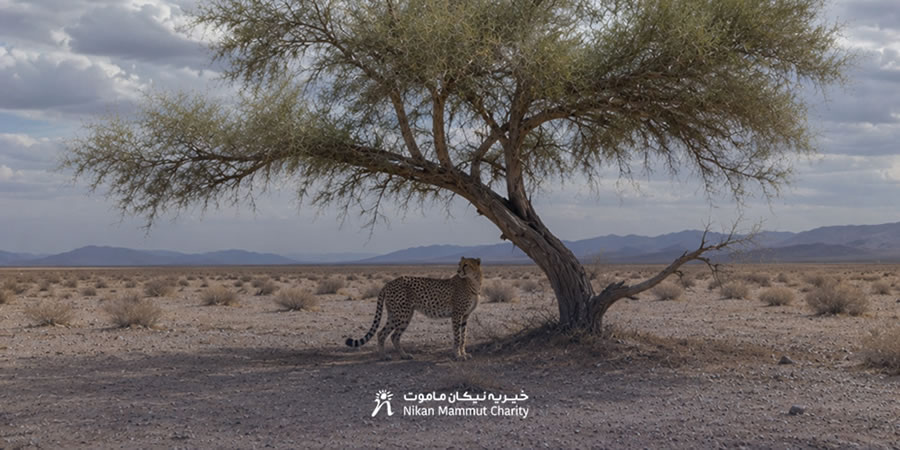
The Haloxylon Tree: A Keystone Species of Iran’s Desert Ecosystems
The Haloxylon tree, commonly known in Iran as Tagh, is one of the most resilient desert plant species adapted to extreme arid conditions. Belonging to the Amaranthaceae family, Haloxylon species possess deep and extensive root systems capable of stabilizing shifting sand dunes.
Three primary Haloxylon species grow in Iran:
- Haloxylon persicum (White/Yellow Haloxylon)
- Haloxylon aphyllum (Black Haloxylon)
- Shrubby Haloxylon varieties
The dominant species in Turan National Park is Haloxylon persicum, which can grow up to five meters in height. Its segmented branches and reduced leaf structure minimize transpiration, allowing it to survive under intense heat, drought, and saline soil conditions.
Be the Support Families Need
The powerful root systems of Haloxylon:
- Anchor loose desert sand
- Prevent soil erosion
- Improve soil structure
- Support groundwater recharge
Over time, Haloxylon plantations create a more stable desert ecosystem that increases prey species such as gazelles and Jebeer indirectly supporting Asiatic cheetah conservation.
Young Haloxylon saplings require limited irrigation during their first years. Once established, they become highly drought-resistant and naturally adapted to desert stress conditions. Environmental experts often refer to Haloxylon as a “desert champion” due to its vital role in desert restoration and land rehabilitation.
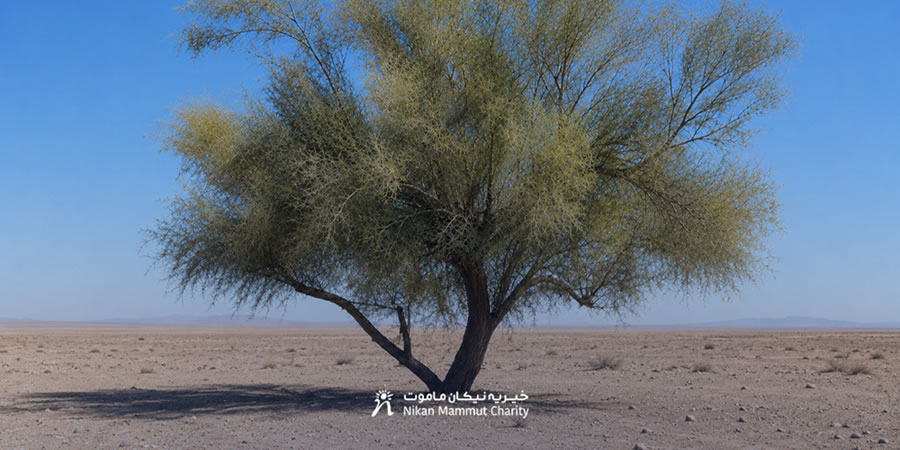
Benefits of Planting Haloxylon Trees in Turan National Park
Planting Haloxylon trees contributes to multiple environmental and ecological benefits:
- Adaptation to hot, dry, and water-scarce climates
- High tolerance to saline and nutrient-poor soils
- Restoration of Asiatic cheetah habitat
- Prevention of biodiversity loss
- Oxygen production and air quality improvement
- Reduction of dust storms and airborne particles
- Stabilization of sand dunes and prevention of desert expansion
- Control of soil erosion
- Reduction of soil salinity through salt absorption
- Support for groundwater recharge
- Creation of shelter for wildlife (gazelles, birds, reptiles, insects)
- Strengthening of ecological cycles
- Flood control and surface water management
- Natural windbreak formation
- Improvement of soil organic matter
- Rehabilitation of degraded desert lands
- Local job creation in environmental restoration projects
- Sustainable desert ecosystem development
Haloxylon planting is not merely tree planting it is a long-term ecological investment in desert ecosystem restoration in Iran.
Nikan Mammut Charity’s Major Step Toward Asiatic Cheetah Habitat Restoration
In the heart of Iran’s desert landscapes where shifting sands and extreme climate conditions challenge life an impactful environmental project is underway.
By planting 13,000 Haloxylon trees in Turan National Park, the Nikan Mammut Charity Foundation is actively:
- Combating desertification in Iran
- Stabilizing fragile soils
- Reducing dust pollution
- Restoring wildlife habitat
- Strengthening ecological resilience
Each Haloxylon sapling planted represents a concrete step toward rebuilding the natural corridor of the endangered Asiatic cheetah.
This initiative goes beyond afforestation it symbolizes environmental responsibility, biodiversity protection, and sustainable conservation action.

Join the Haloxylon Tree Planting Project in Turan National Park
For Iran’s vulnerable ecosystems, every Haloxylon tree planted is a symbol of renewal.
Through the 13,000 Haloxylon Tree Project, individuals and nature supporters can directly participate in protecting the Asiatic cheetah and restoring Turan National Park.
Each Haloxylon sapling may be dedicated as:
- A birthday gift
- A wedding gift
- A memorial tribute
All contributions are allocated to:
- Planting Haloxylon saplings
- Long-term maintenance and monitoring
- Supporting habitat recovery for the Asiatic cheetah
With every Haloxylon tree planted:
- Sand dunes are stabilized
- Desertification is reduced
- Dust storms decrease
- Wildlife habitats are restored
- The survival chances of the Asiatic cheetah increase
This project not only protects the environment it creates a lasting environmental legacy for future generations.
Participate in this meaningful conservation initiative today.
Comments
What is you comment about this article?