International Day of Epidemic Preparedness: Why It Matters?
Day of Epidemic Preparedness
After the COVID-19 tragedy that caused around 7 million people to pass away (based on official reports), the importance of epidemic preparedness has become more significant, and any carelessness and inattention to infectious diseases may lead to a disaster; an illness that could be controlled with the consideration and care of governments and societies can convert to a tragedy that no power can resolve this massive-scale issue.
This article will explain why epidemic preparedness is indispensable in the modern world and how to prepare for future diseases to encounter the least difficulties and deaths. Moreover, the role and activities of Nikan Mammut Charity Foundation in managing epidemic diseases will be explained.
What is the Meaning of Epidemic Preparedness?
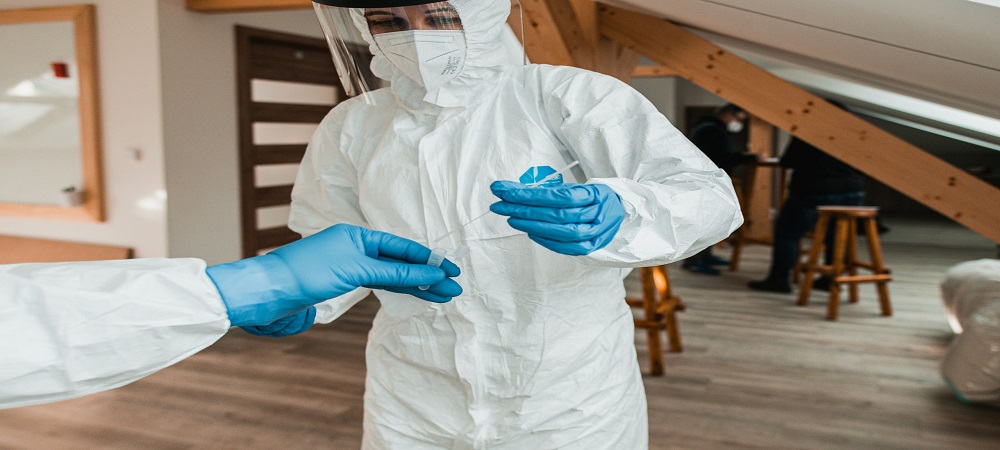
In simple terms, the capability of a country, government, community, or health system to anticipate, prevent, distinguish, and respond effectively to disease before it becomes widespread epidemic is known as epidemic preparedness. In other words, whatever we do to avoid a disease from turning into an epidemic is known as epidemic preparedness. Without being prepared on time, it would be difficult or even impossible to save the world.
Epidemic Preparedness includes:
- Early detection by testing on time with no delay
- Prevention by vaccination programs, public awareness, etc.
- The readiness of the health system (hospitals, medicine, etc.)
- Rapid response, including isolation, treatment, etc.
- Public communication and sharing timely information
Early Foundations of Epidemic Preparedness
In the 14th century, at the time of the black death, a devastating pandemic of bubonic plague that spread across Europe, Asia, and North Africa, cities like Venice introduced quarantine: 40 days for ships and travelers. It is considered the earliest formal epidemic preparedness.
Also, in the 18th~19th centuries, governments commenced using border controls, isolation hospitals, and sanitation actions during cholera and plague outbreaks.
International Day of Epidemic Preparedness
Sat, Dec 27, 2020, was the first year when the International Day of Epidemic Preparedness was held for the first time; exactly when COVID-19 began to spread widely in the world, and every day the number of deaths increased significantly.
This day encourages individuals, governments, companies, and health systems to increase their awareness, strengthen epidemic prevention, and share their knowledge on epidemics at the local, national, and global levels.
The World Health Organization, as well as the governments and leaders around the world, have realized the importance of robust healthcare network systems along with the awareness of people at any age and any part of the world.
How to Prepare for a New Pandemic?
After COVID-19, people, governments, societies, and organizations are aware of the importance of being prepared for any epidemic disease. Now, a vital question arises: what does preparedness mean? What steps to take? How to improve pandemic preparedness? How to cope with numerous issues caused by epidemics?
- Early investigation is the first activity that should be done through monitoring and testing on time.
- Strong healthcare systems and enough hospitals, staff, and equipment should be prepared.
- Clear roles and protocols should be defined before the start of a crisis, not after it has spread widely!
- Stockpiles of supplies like vaccines, medicines, PPE, and oxygen.
- Rapid testing capacity and be capable of accessible and scalable diagnostic systems.
- Be able to fast-track the development, approval, and distribution of
- Share clear, trusted, and timely information with the globe.
- International cooperation and data sharing between countries.
- Trained the workforce, nurses, and doctors for any possible crisis in the future.
- Public awareness and personal preparedness.

Epidemic Preparedness Innovations
Three of the most popular epidemic preparedness inventions to tackle global well-being challenges are listed in this part.
-
Early-Warning Surveillance Using AI and Data Analytics
Real-time analysis of health data, travel patterns, and online signals to detect outbreaks before they spread widely in the world.
-
Fast Vaccine Platforms
Some technologies, including mRNA & modular, allow vaccines to be designed, tested, and produced much faster than traditional methods.
-
Digital Contact Tracing and Outbreak Modeling Tools
Secure mobile and data-driven systems that track transmission chains and help authorities respond quickly and precisely.
GPMB Report 2025
The 2025 GPMB (Global Preparedness Monitoring Board) report, “The New Face of Pandemic Preparedness”, highlights the crucial need to transform global health security in a world that is experiencing new instability, complication, and uncertainty while still recovering from the COVID-19 pandemic.
- “Invest in strong primary health care that protects frontline health workers, enhances community engagement, and leads to more resilient systems.”
- “Establish a comprehensive pandemic risk monitoring system that tracks threats, vulnerabilities, and preparedness in real time, integrating health, social, economic, and environmental data into clear signals for leaders.”
- “Finalize, ratify, and finance the WHO Pandemic Agreement with a Pathogen Access and Benefits Sharing (PABS) system to enhance collaboration, cooperation, and solidarity in future crises.”
The Role of Nikan Mammut in COVID-19
Nikan Mammut Charity Foundation, with over 15 years of experience and expertise in supporting underprivileged families, is active in 7 various support areas:
- Providing necessities for Iranian families in need
- Providing health care, medicine, and treatment
- Education assistance and financial aid for students
- Job creation, leading families toward independence
- Reconstruction and provision of housing for families in need
- The provision of administrative supplies and equipment
- Natural disaster response and recovery
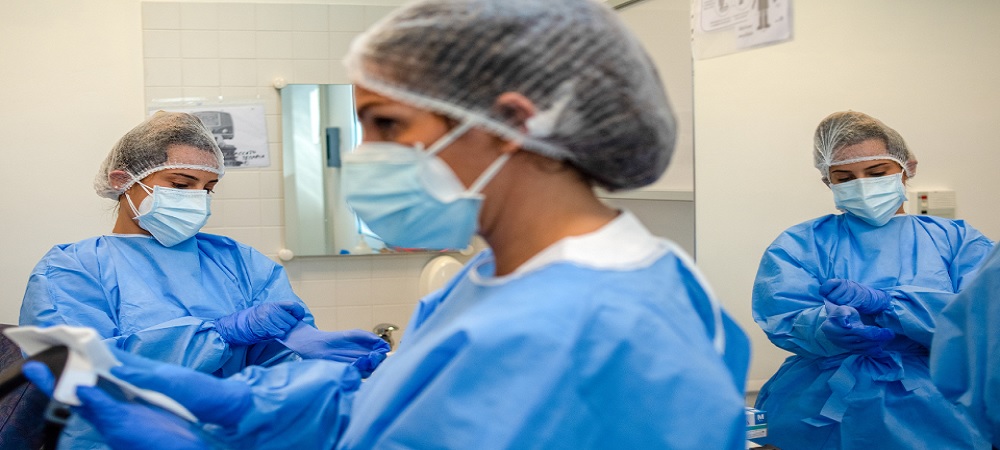
As mentioned above, providing health care, medicine, and treatment for underprivileged families, rebuilding hospitals, and assisting the people and hospitals at the time of COVID-19 by the Iranian community-based charity of Nikan Mammut are some of the activities of this foundation for reducing the negative impacts of COVID-19 in Iran, especially in underprivileged areas, where families in need cannot provide the necessities, what about disinfectants and face masks!
If you like to participate in Nikan Mammut projects, helping families in need with paying for their medicine, treatments, surgeries, hospitalizations, covering dental expenses, providing hearing aids, cochlear implantation, prosthesis, wheelchairs, donating vital medical devices to hospitals, and rebuilding and equipping hospitals, click HERE. Waiting for your kind support…
Comments
What is you comment about this article?