Empowering Women-Led Households: A Path to Social Justice
Empowering female-headed households is a priority for governments and charities, helping them achieve independence through employment and contributing to social justice and gender equality.
Life can be difficult for everyone; sometimes a tragic accident can make someone an orphan or separate a couple. An accident may also lead to poverty or unemployment, creating serious challenges. Women who become female heads of household often face livelihood difficulties and need support to manage their lives.
Since they are struggling with poverty, it can be said that female-headed-household empowerment is the biggest and the most effective act that can be done for poverty fighting.
Many women have to be responsible for their whole families because of the passing of their husbands; this problem gets worse when they have kids.
Sometimes the people around or charities are trying to support them with presents or financial aid, but it is not the best solution, definitely. Because they will still be in need, and when these supports get cut, they will have problems again.

In this article, we want to focus on the best methods for the empowerment of female heads of households and talk about opportunities and issues of this, so stay with us till the end of this article.
Concept of Female-Headed Households
A female-headed household is a woman who lost her husband, got divorced, was abandoned by her husband, or whose husband is disabled. These women have to be both mother and father for their kids.
Raising children, doing household chores, supporting necessities of life, and every act in their house are their duties; the responsibility of each of these cases is heavy, and most of them cannot do these.
It should be noted that every woman who lost her husband somehow is not a female-headed household. Female-headed households usually are struggling with financial problems; they are not graduated usually, they are jobless, and they cannot build an economic base for themselves because of their cultural situations. For this reason, these women need help and education to be able to live in better conditions.
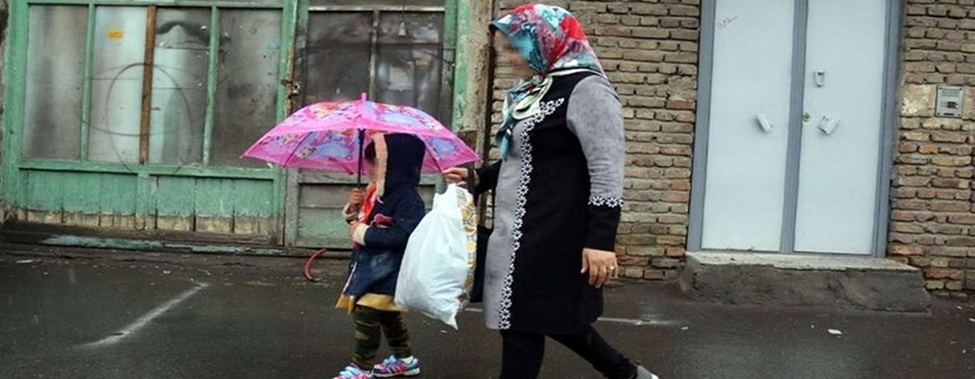
Most charities and NGOs dedicate part of their activities to female-headed households and, by helping them with career training and providing facilities to start a business, provide sustainable employment opportunities for them.
Statistics of Female-Headed Households
According to the head of the welfare organization, the number of female-headed households in the winter of 1404 is 6.5 million people in Iran.
More than 284 thousand people of them are covered by the welfare organization, and about 1.5 million of them are covered by the relief committee.
These statistics show that there are more than 5 million people in female-headed households without any support from any organization!
According to the general population and housing census between the years 1355 and 1395, the number of female-headed households increased from 490,536 to 3,061,753—an increase of 6.21 times.
In fact, the portion of female-headed households in 1395 was 12.7%, while after 10 years it got to be more than this, definitely!
The proportion of female-headed households is increasing, with an average growth rate of 4%, compared to 3% for male-headed households. This indicates a faster rise in female-headed households.
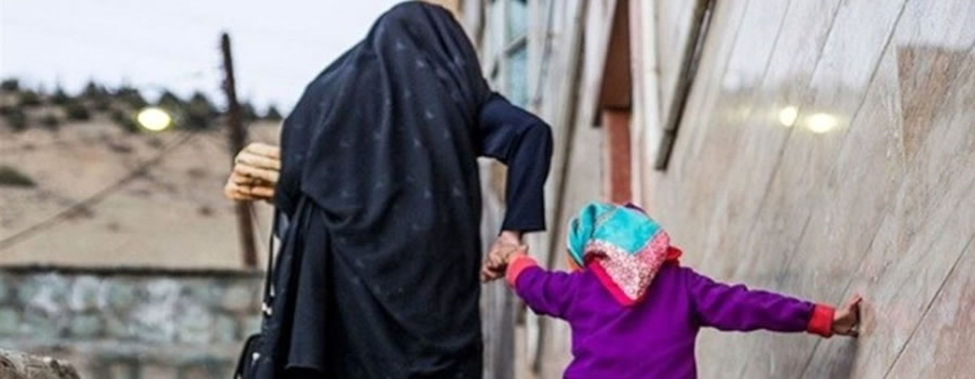
In terms of age distribution among female heads of household, about 26% are between 25 and 44 years old, 38% are between 45 and 64, and 32% are older than 65. This shows that the likelihood of being a female head of household increases with age.
Regarding education, approximately 30% of female heads of household are literate, while 70% are illiterate or have limited education. Economically, only a small proportion (around 3.5%) fall into higher income groups, indicating generally low financial status.
Female heads of household also face greater livelihood responsibilities compared to male heads. In these households, there is roughly one employed person for every 7.3 unemployed individuals, and many women are engaged in low-income, unstable jobs.
Problems of Female-Headed Households
When female-headed households lose their husbands for various reasons, they get into a new situation, and for this reason, they face different problems in their lives. Most of these challenges depend on them, and they are under extreme stress.
Research shows that female-headed households are more vulnerable to social harms than male-headed households. Therefore, the greater life responsibilities they carry can make their situation more difficult and potentially more harmful.
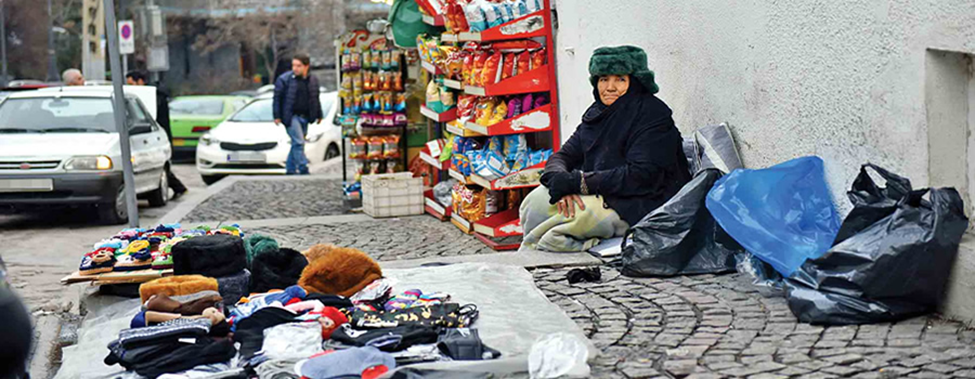
Moral Problems
Passing husbands and emotional missing can be stressful for them, but it gets worse when they have children and financial problems.
Experience shows that women with children who have lost their husbands often face limited opportunities for remarriage. Due to financial pressures, they may enter marriages with less favorable conditions.
In many cases, they are compelled to accept difficult terms, such as leaving their children behind, marrying significantly older men, or becoming a second wife. These circumstances can sometimes place them in even more vulnerable and unstable situations. Severe stress causes illnesses such as depression, disappointment, violence, and …
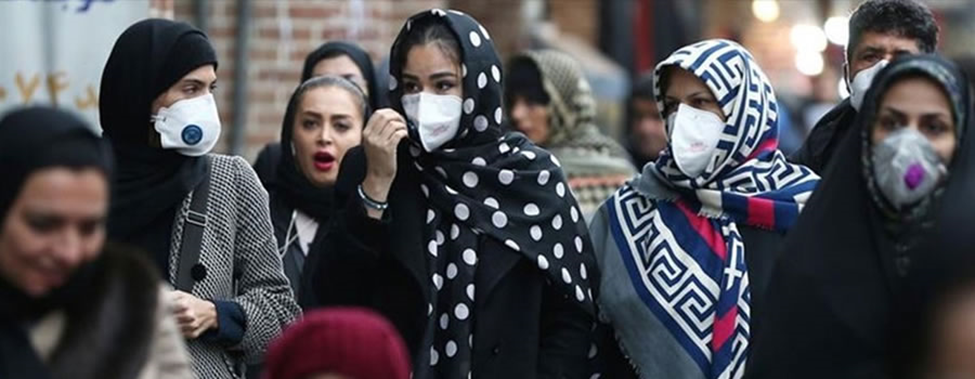
Change and Increasing Responsibility
After missing Man-head, who was doing most of the outdoor and indoor activities, the woman’s role gets big changes. These persons have to be heads of household in addition to being mothers and women to be able to control the situation.
Doing household chores, raising kids, doing outdoor activities, and providing living expenses are such heavy responsibilities for them, and then they completely ignore their own circumstances.
Problems within the Family
When women take on the role of head of household, they often face additional challenges within the family that can be difficult to manage. These challenges affect both family life and the upbringing of children. For example, children may become less responsive to the mother’s authority due to the shift in family roles. In some cases, the mother may also be undervalued or not fully recognized as the primary caregiver by extended family members.
At the same time, the heavy burden of responsibilities can leave women with limited time and energy to manage all aspects of the household effectively. This can contribute to tensions and disagreements between the mother, children, and other family members. Altogether, these factors create complex family dynamics that are often difficult to control.
In such a situation, the woman who heads the household must fight on several things so that the situation of the family and children does not collapse for the small family group.
Female-Headed Households’ Life Quality
Considering the living conditions of female-headed households discussed earlier, empowering these women appears to be one of the most effective ways to improve their quality of life. Empowerment can include access to employment opportunities, education, livelihood support, and the creation of supportive social and economic conditions.
In addition, providing female heads of household and their children with insurance coverage and pension benefits can enhance their financial security and ensure greater stability in old age.
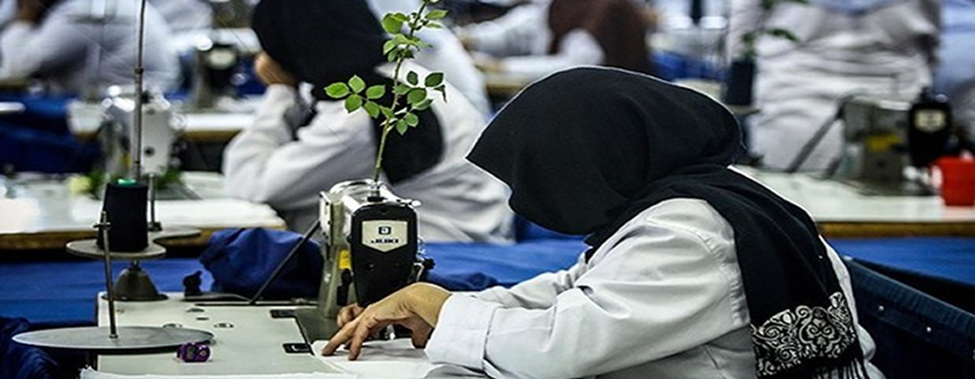
However, despite these needs, many female-headed households do not receive adequate social support. This lack of support contributes to their continued vulnerability and lowers their overall quality of life. This shows how useful NGOs and charities can be in this regard and how their support in the areas of employment, housing, education, and livelihoods can improve the lives of female heads of households.
Creating educational opportunities to enhance the skills and empowerment of female heads of household is essential. Establishing safe and healthy work environments can also support their economic participation and well-being.
In addition, strengthening community-based organizations and charities, as well as developing free recreational centers, can improve their social support networks. Government budgeting and targeted financial assistance are also crucial in addressing their economic challenges.
Finally, organizing psychological support programs and workshops can help improve their mental health and resilience. Together, these measures can significantly improve the overall quality of life for female-headed households.
Life Expectancy in Female-Headed Households
Female-headed households often face significant challenges in coping with daily life, including mental stress and anxiety about the uncertain future of both themselves and their children. These pressures are among the key factors contributing to feelings of hopelessness.
Research indicates that female heads of household tend to experience poorer mental health compared to other women, with higher prevalence of conditions such as depression, anxiety, obsessive behaviors, and irritability or aggression.
Improving their quality of life through job creation and better livelihood opportunities can play an important role in protecting them from mental health risks. However, many of these women have had limited access to education and may lack sufficient social awareness. Therefore, raising awareness about self-care and mental well-being is equally important.
Providing mental health education, including training in coping strategies, stress management, and anger control, can help them better manage life’s challenges. In addition, expanding access to skills training, employment opportunities, and stable income sources can enhance their overall well-being. Such measures not only improve their life prospects but also help protect their children from psychological and emotional harm.
Fighting against Misconceptions and Social Problems
Unfortunately, in many societies, negative beliefs and misconceptions about female-headed households persist, increasing the psychological pressure on these women. Instead of receiving adequate support, they are often subjected to additional social scrutiny and judgment.
The use of inappropriate labels (such as “widow” or similar stigmatizing terms), excessive interference in their private lives, and misguided attitudes toward their social relationships can significantly affect their well-being. These factors often lead to social isolation, marginalization, and a sense of loneliness.
As a result, female heads of household are more likely than other women to experience judgment, social exclusion, and feelings of insecurity. Awareness of being constantly judged can further intensify stress and negatively impact their mental health and overall quality of life.
Skills Needed by Female Heads of Households
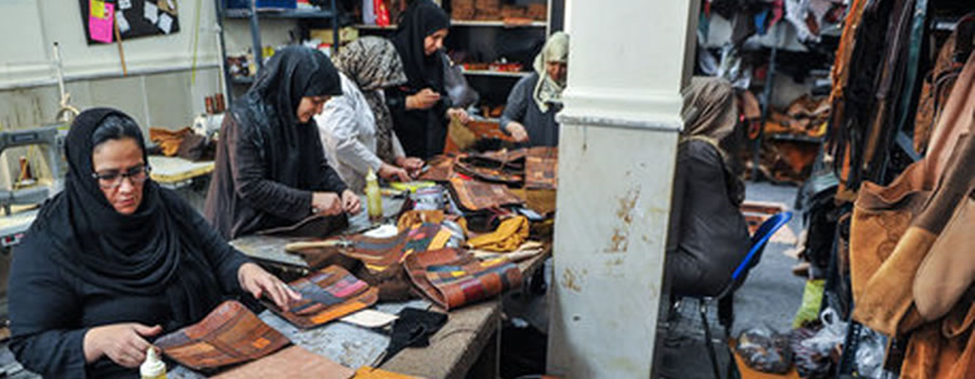
Female-headed households can achieve a better quality of life primarily through empowerment, particularly by becoming self-sufficient and acquiring essential skills. Developing life skills is a key step in this process and can be broadly divided into three main categories.
First, core or basic skills include literacy, numeracy, and information technology. These foundational abilities enable women to access information, pursue education, and participate more effectively in economic and social activities.
Second, independent living skills are necessary for managing daily life. These include family management, budgeting, scheduling appointments, effective communication, and handling bills and official correspondence. Such skills help women maintain stability and organization within the household.
Third, social skills play a crucial role in empowerment. Interpersonal communication, building self-confidence, and the ability to engage with social networks can reduce isolation and improve access to support systems and opportunities.
At a more advanced stage, acquiring specialized vocational skills and access to further education can significantly enhance empowerment. These opportunities enable female heads of household to secure better employment, increase their income, and achieve long-term financial independence.
How to Empower Them?
Empowering female heads of households should not be limited to individual efforts; it must be implemented through comprehensive and practical programs at the community and policy levels. The following measures are proposed to support and empower this group:
- Providing diverse and practical training to improve educational and professional skills, enabling women to access better employment opportunities.
- Offering free or low-cost psychological counseling services to support mental health and help women cope with stress and life challenges.
- Promoting positive social attitudes through books, media, and social networks in order to change societal perceptions and reduce stigma toward female heads of households.
- Encouraging entrepreneurship and creating income-generating opportunities, including access to small business support, training, and resources.
- Establishing support networks and community groups to reduce isolation, share experiences, and provide mutual assistance, while also raising awareness about the challenges these women face.
- Developing and enforcing supportive laws and policies that protect the rights of female heads of households and provide financial and social security.
- Implementing educational programs for both women and their families to improve awareness, strengthen family relationships, and support long-term empowerment.
The Effects of Empowering Female Heads of Households
Empowering female heads of households refers to enabling women to provide for their families’ economic needs as well as offering emotional and social support. This empowerment creates new opportunities for them and helps address many of the challenges they face in daily life.
Increased Social Participation and Awareness
After the loss of a spouse or the change in family structure, female heads of households are often required to take a more active role in society. This increased participation can lead to the development of new skills and a broader awareness of social, economic, and cultural issues.
Increased Self-Confidence and Self-Reliance
When women engage in employment or entrepreneurship and take full responsibility for managing the household, they often become more aware of their strengths and abilities. This process contributes to greater self-confidence, improved self-esteem, and enhanced capacity to cope with life challenges.
Expansion of Social Networks and Improved Status
Greater involvement in society and participation in productive activities allows female heads of households to build stronger social networks. These connections can improve access to job opportunities, enhance social standing, and ultimately contribute to a better standard of living.
Economic Stability and Housing Security
Stable employment and sufficient income play a key role in improving quality of life and life expectancy, while also contributing to overall social well-being. This issue is particularly important for female heads of households, especially those from lower-income groups who may lack stable or full-time employment.
Role of Charitable Institutions
Charitable organizations and social support institutions play an important role in assisting female heads of households. These organizations often implement programs aimed at expanding donor support and addressing the economic and social needs of this group.
For example, the Nikan Mammut Charity focuses on supporting female-headed households as one of its key objectives. A significant proportion of its beneficiaries are women who have lost their husbands due to various circumstances. Through employment programs, livelihood support, and access to healthcare services, the organization helps these women achieve greater independence. In many cases, beneficiaries have become self-sufficient in managing both work and family responsibilities.
Such institutions also use social media platforms to share success stories and raise awareness about their programs. Public support and participation in charitable initiatives can therefore play an important role in improving the lives of female-headed households and strengthening social welfare systems.
To support female heads of households, complete the form to become a sponsor of the Nikan Mammut Charity; you are Nikan!
Comments
What is you comment about this article?