How to Coordinate Local Volunteers During War and Crisis
Coordinate Local Volunteers During War Crisis
n times of war and crisis, the presence of trained and well-coordinated local volunteers can make a significant difference in protecting vulnerable communities. When emergencies disrupt daily life, families may suddenly need food, medicine, shelter, psychological support, or help accessing essential services. In these moments, local volunteers often become one of the first sources of practical support.
However, goodwill alone is not enough. To be effective—and to avoid putting themselves or others at risk—volunteers need proper training, clear responsibilities, reliable communication channels, and coordination with trusted humanitarian organizations.
This article explains how local volunteers can be coordinated during war and other emergencies, why volunteer management matters, and how charities and relief organizations can build safer and more effective volunteer networks.
Who Is a Volunteer?
Before discussing how to coordinate local volunteers during war, it is important to understand what volunteer work means in the context of charity and humanitarian support.
A volunteer is someone who offers their time, skills, and energy to help others without expecting financial compensation. In the field of charity and social support, volunteers often work with nonprofit organizations, humanitarian groups, public relief institutions, or community-based initiatives to support people in need.
Volunteers may help vulnerable families, people affected by natural disasters, displaced individuals, children, older adults, people with disabilities, or communities facing sudden crisis.
In emergency situations, volunteers may support relief efforts in several ways, including:
- helping distribute food, hygiene items, clothing, and essential supplies
- supporting the preparation and packaging of aid items
- helping set up temporary shelters or safe community spaces
- assisting with basic logistics and transportation of supplies
- providing emotional and psychological first aid under professional supervision
- helping identify urgent needs within local communities
- guiding affected families toward trusted relief services
Volunteer work is most effective when it is organized, ethical, and based on proper training.
Why Local Volunteers Matter During Crises
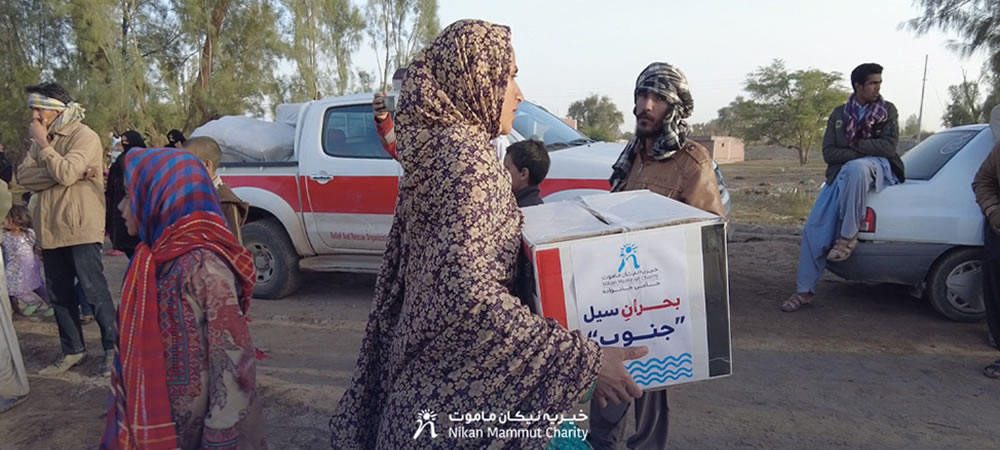
Local volunteers can play a vital role during emergencies such as war, floods, earthquakes, fires, pandemics, and other large-scale disruptions. Because they often live in or near the affected communities, they usually understand local conditions, neighborhoods, families, languages, cultural norms, and immediate needs better than outside responders.
This local knowledge can help relief organizations respond faster and more accurately.
However, volunteer involvement must be planned carefully. In crisis conditions, untrained or uncoordinated volunteers may unintentionally create additional risks. For example, moving an injured person incorrectly can worsen their condition. Entering unsafe areas without guidance can put volunteers in danger. Distributing aid without coordination may lead to duplication in one area while another area remains unsupported.
For this reason, training and coordination are essential.
Effective volunteer coordination helps:
- reduce confusion during emergencies
- prevent duplication of services
- protect volunteers from unnecessary risks
- ensure that aid reaches the right people
- improve communication between local communities and relief organizations
- make humanitarian support faster, safer, and more reliable
International Volunteer Day, observed every year on December 5, is a reminder of the important contribution volunteers make to societies around the world. But appreciation alone is not enough; volunteers also need preparation, protection, and professional support.
How to Coordinate Local Volunteers During War and Crisis
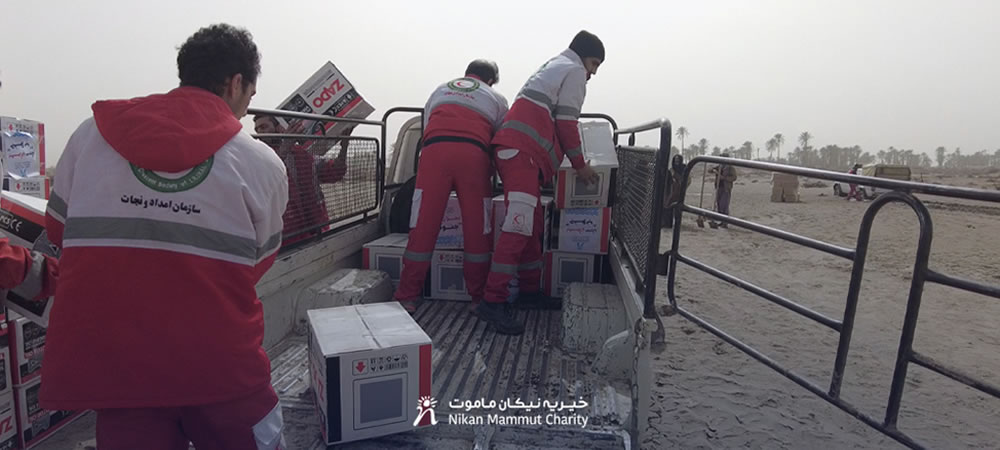
In wartime and other high-risk emergencies, volunteer coordination should always focus on humanitarian support, civilian protection, and safety. Volunteers should not act independently in dangerous areas or perform tasks beyond their training. Their work should be aligned with recognized charities, relief organizations, or authorized emergency response bodies.
Below are key steps for coordinating local volunteers in a responsible and effective way.
- Establish a Central Coordination Team
The first step in managing volunteers during a crisis is to create a central coordination team.
This team may include experienced members of a charity, trained crisis-response personnel, community representatives, logistics coordinators, medical consultants, and communication officers. Its role is to plan, organize, monitor, and guide volunteer activities.
A central coordination team helps answer important questions such as:
- What are the most urgent needs?
- Which areas require support first?
- Which volunteers are available?
- What skills do they have?
- What tasks are safe and appropriate for volunteers?
- How will information be verified?
- Who will communicate instructions and updates?
In large-scale emergencies, strategic planning should remain with trained professionals and recognized humanitarian organizations. However, local implementation can often be supported by trusted volunteers from the affected area. These volunteers may have a better understanding of local roads, families, community leaders, vulnerable households, and immediate challenges.
This combination of professional oversight and local knowledge can make relief work more efficient and more responsive.
- Create a Secure Volunteer Database
A reliable volunteer database is one of the most important tools for crisis coordination.
Before emergencies occur, charities and relief organizations should collect essential information from volunteers, including:
- full name
- contact number
- emergency contact
- city or neighborhood
- availability
- areas of interest
- relevant skills and professional background
- previous volunteer experience
- training certificates, if applicable
- preferred type of volunteer activity
In crisis conditions, common communication channels may become unreliable. Phone lines, internet access, or messaging platforms may be disrupted. For this reason, organizations should have more than one way to reach volunteers.
However, data collection must be responsible. Charities should avoid collecting unnecessary personal information and should protect volunteer data carefully. Access to the database should be limited to authorized team members, and information should only be used for legitimate volunteer coordination purposes.
A well-managed volunteer database helps organizations quickly identify who can help, where they are located, and what kind of support they are qualified to provide.
- Assign Roles Based on Skills and Capacity
Not every volunteer should do the same type of work. One of the most important parts of volunteer coordination is matching people with tasks that suit their skills, experience, physical capacity, and level of training.
For example:
- a healthcare professional may help with medical guidance or health-related coordination
- a psychologist or trained counselor may support emotional care activities
- a driver may assist with transporting supplies in safe conditions
- a logistics specialist may help manage inventory and distribution
- a teacher may support children’s learning continuity during disruption
- a translator may help communicate with families from different backgrounds
- a person with administrative skills may help with registration, documentation, or follow-up calls
Clear role assignment prevents confusion and reduces risk. It also helps volunteers feel more confident because they understand exactly what is expected of them.
Volunteers should never be asked to perform tasks that require professional expertise unless they are properly trained and authorized to do so.

- Provide Training Before Emergencies Happen
Training is essential for safe and effective volunteer work.
Even when volunteers have good intentions, lack of training can lead to mistakes. In emergency conditions, small mistakes can have serious consequences. For this reason, charities and relief organizations should provide basic training before volunteers are deployed.
Useful training topics include:
- basic first aid
- personal safety during emergencies
- psychological first aid
- crisis communication
- ethical aid distribution
- working with children and vulnerable groups
- recognizing urgent medical needs
- managing limited resources
- reporting and documentation
- referral pathways to professional services
- stress management and volunteer self-care
Training should also clearly explain what volunteers should not do. For example, volunteers should not enter unsafe or restricted areas, move seriously injured people without proper guidance, share unverified information, or make promises that the organization cannot fulfill.
Prepared volunteers are more effective, more confident, and less likely to put themselves or others at risk.
- Develop a Clear Emergency Action Plan
A volunteer network needs a written, practical, and easy-to-understand emergency action plan.
This plan should explain what happens when a crisis begins, who is responsible for decision-making, how volunteers will be contacted, and what each group should do.
A strong emergency action plan may include:
- the structure of the coordination team
- volunteer roles and responsibilities
- communication methods
- backup communication options
- reporting procedures
- safety rules
- referral contacts for medical, psychological, and social support
- aid distribution procedures
- documentation requirements
- replacement contacts if a coordinator is unavailable
- guidelines for suspending activities when conditions are unsafe
Volunteers should understand their responsibilities before a crisis occurs. If communication is disrupted, they should know how to wait for verified instructions, how to stay safe, and how to avoid independent action that could increase risk.
In emergency relief, speed matters—but safety and coordination matter just as much.
- Maintain Clear and Responsible Communication
During war and crisis, misinformation can spread quickly and create fear, confusion, or harmful decisions. Volunteer groups should have clear communication rules.
All updates should come from trusted coordinators or verified organizational channels. Volunteers should be encouraged to report needs, but they should avoid sharing unconfirmed news, sensitive details, or images of affected individuals without permission.
Responsible communication helps protect:
- the privacy and dignity of affected families
- the safety of volunteers
- the credibility of the charity
- the efficiency of humanitarian response
Communication should be short, clear, practical, and respectful. In high-stress conditions, simple instructions are often more useful than long messages.
- Protect Volunteer Safety and Well-Being
Volunteer safety must always be a priority.
No humanitarian goal should require volunteers to take unnecessary risks. Charities and relief organizations should provide safety guidance and make sure volunteers understand when to stop, withdraw, or refer a situation to professionals.
Volunteer protection may include:
- safety briefings before activities
- clear limits on volunteer responsibilities
- access to supervisors or coordinators
- rest periods during long operations
- emotional support after difficult experiences
- guidance on working with distressed families
- referral options for professional mental health support
Volunteers often witness pain, loss, fear, or uncertainty. Their emotional well-being should not be ignored. Supporting volunteers helps protect the long-term sustainability of humanitarian work.
The Role of Nikan Mammut Charity Volunteers
Nikan Mammut Charity works with a wide network of volunteers who support the organization’s humanitarian and charitable activities. Many of these individuals have expressed their willingness to help by completing Nikan’s volunteer form and sharing their skills, interests, and availability.
Nikan’s volunteers have supported different charitable activities, including participation in food and essential goods distribution events. In these programs, volunteers help prepare, organize, and package food and hygiene items for families supported by the charity.
Nikan Mammut Charity distributes high-quality livelihood packages to low-income families across the country several times a year. The participation of volunteers in these campaigns helps make the process faster, more organized, and more effective.
Volunteers are an important part of Nikan’s mission because they bring not only time and energy, but also compassion, commitment, and a sense of shared responsibility.
How to Become a Volunteer at Nikan Mammut Charity
If you would like to take part in volunteer work with Nikan Mammut Charity, you can begin by completing the volunteer form.
By sharing your field of expertise, interests, availability, and preferred type of participation, you can be added to Nikan’s volunteer network. When volunteer support is needed, the executive team may contact you based on the needs of each program and your stated abilities.
Volunteering is one of the most meaningful ways to support vulnerable families and contribute to a more compassionate society.
Together, with training, coordination, and responsibility, local volunteers can help communities face crises with greater strength and hope.
Comments
What is you comment about this article?