Kindness in Trees
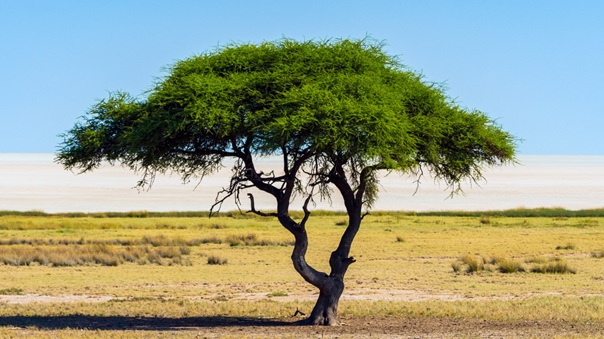
It’s not just a simple gift! It’s a sign of your attention to the environment, the happiness you donate to your dear ones, and a meaningful charitable initiative for the beneficiaries of the Nikan Mammut Charity. Your payment for the trees is used to help the families in need supported by Nikan Mammut.
In addition, buyers will be provided with the geographic coordinates of the planting site to check it whenever they want.
Acacia Tree History and Features
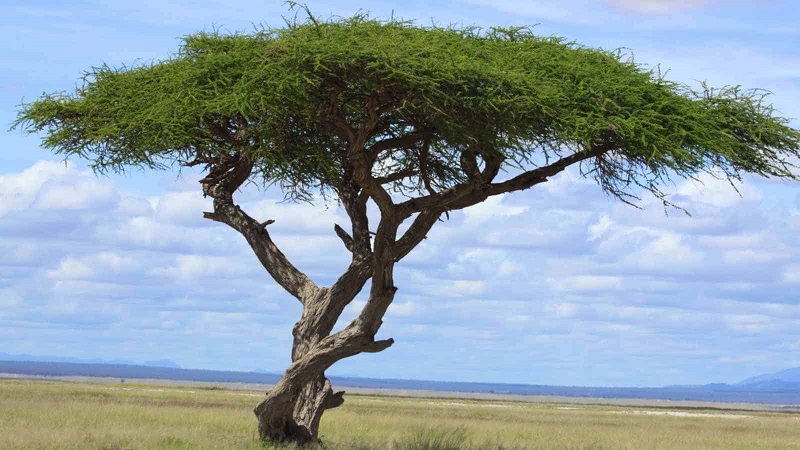
The Acacia tree, which is an interesting tree for most Iranian people, is native to North America. It is known as one of the most efficient trees globally for fixing atmospheric nitrogen, leading to less air pollution. Acacia can grow up to 30 meters tall and is known for its high resilience. It is recommended to plant Acacia for landscape beautification. Moreover, it reduces air pollution, soil erosion, and land degradation significantly.
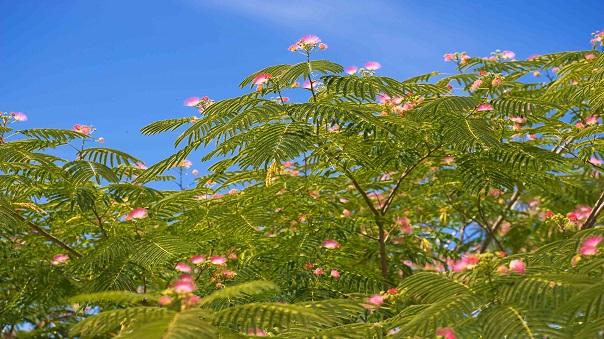
The leaves of the Acacia trees are compound in shape. They are arranged in clusters. They consist of 9 to 19 oval leaflets measuring approximately 4 to 5 centimeters in length.
The flowering season of Acacia is in mid-spring. Its flowers also appear in clusters and can reach up to 10~25 centimeters in length. These flowers eventually develop into long pods that contain the tree’s seeds.
Why Plant Acacia Trees?
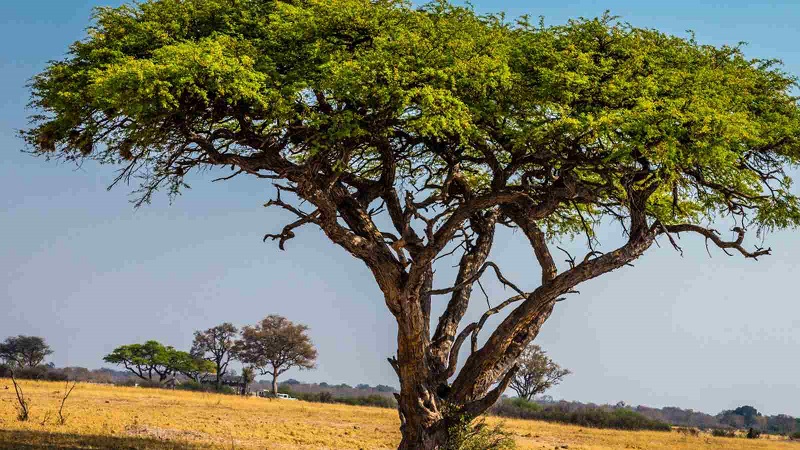
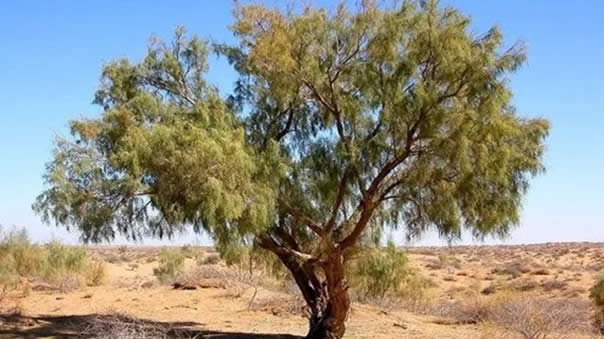
Typically, this tree is low-maintenance. It can grow in various soil types. Annual fertilization is sufficient, and it does not require specialized nutrient solutions. It can thrive in dry and sunny climates. That’s why it is one of the ideal trees for planting in the Iranian environment and for the purpose of desertification.
Climatic Requirements of the Acacia Tree
- Tolerating full sunlight and a sunny climate.
- Tolerating drought and low irrigation cycles.
- Tolerating a wide range of temperatures, even as low as −30 °C!





Users Comment
There are no reviews yet.